Transform Your Look with Expert Hair Surgical Transplant Solutions
Hair loss is a common concern affecting millions worldwide, impacting self-esteem and overall appearance. Fortunately, advances in hair surgical transplant solutions offer effective and lasting remedies to restore natural hair growth. These procedures have evolved significantly, combining medical innovation and artistry to deliver results that blend seamlessly with your existing hair. Whether you’re dealing with male or female pattern baldness, thinning hair, or hair loss due to other causes, expert hair transplant techniques can transform your look, enhance confidence, and improve quality of life.
Understanding Hair Surgical Transplant Solutions
Hair surgical transplant solutions refer to medical procedures that relocate hair follicles from one part of the body—usually the back or sides of the scalp—to balding or thinning areas. Unlike topical treatments or medications, hair transplants provide a permanent solution by implanting hair follicles that are resistant to hair loss.
Types of Hair Transplant Procedures
There are several hair transplant techniques available today, each suited to different hair loss patterns and patient needs:
- Follicular Unit Transplantation (FUT): Also known as the strip method, FUT involves removing a strip of scalp from the donor area and dissecting it into individual follicular units for transplantation.
- Follicular Unit Extraction (FUE): This minimally invasive technique extracts individual hair follicles directly from the donor area, reducing scarring and recovery time.
- Direct Hair Implantation (DHI): An advanced form of FUE, DHI uses a specialized implanter pen to place follicles precisely, improving density and natural appearance.
- Robotic Hair Transplants: Utilizing robotic technology, these procedures enhance precision and efficiency in follicle extraction and placement.
Each method has distinct advantages, and an expert surgeon will recommend the best approach based on your hair type, scalp condition, and desired outcomes.
Benefits of Hair Surgical Transplants
Hair transplant surgery offers numerous benefits compared to non-surgical alternatives:
- Permanent Results: Transplanted hair follicles are genetically resistant to balding, ensuring lasting hair growth.
- Natural Appearance: Expert surgeons design hairlines and implant follicles to mimic natural hair patterns.
- Improved Self-Confidence: Restoring a full head of hair can significantly boost self-esteem and social confidence.
- Low Maintenance: Unlike wigs or topical treatments, transplanted hair requires standard hair care routines without special maintenance.
- Minimal Downtime: Modern techniques such as FUE offer quicker recovery times and less postoperative discomfort.
Who Is an Ideal Candidate for Hair Transplant Surgery?
Hair surgical transplant solutions are suitable for many individuals facing hair loss, but ideal candidates typically share certain characteristics:
- Adults with stable hair loss patterns (usually after age 25)
- Good overall health without scalp conditions that could impede healing
- Sufficient donor hair density on the back or sides of the scalp
- Realistic expectations about the results and commitment to post-operative care
A thorough consultation with a hair transplant specialist is crucial to assess suitability and plan the procedure effectively.
Preparing for Your Hair Transplant Procedure
Proper preparation can optimize surgical outcomes and recovery. Key recommendations include:
- Consult a Qualified Surgeon: Seek out experienced professionals who specialize in hair transplant surgery and can tailor treatments to your needs.
- Medical Evaluation: Disclose any medical conditions or medications that may affect healing or surgery.
- Avoid Blood Thinners: Refrain from aspirin, anti-inflammatory drugs, and certain supplements at least a week before surgery, as advised by your doctor.
- Quit Smoking and Alcohol: Both can impair healing and should be avoided before and after the procedure.
- Follow Pre-Op Instructions: This may include washing your scalp with medicated shampoo and avoiding hair products on the day of surgery.
What to Expect During and After the Procedure
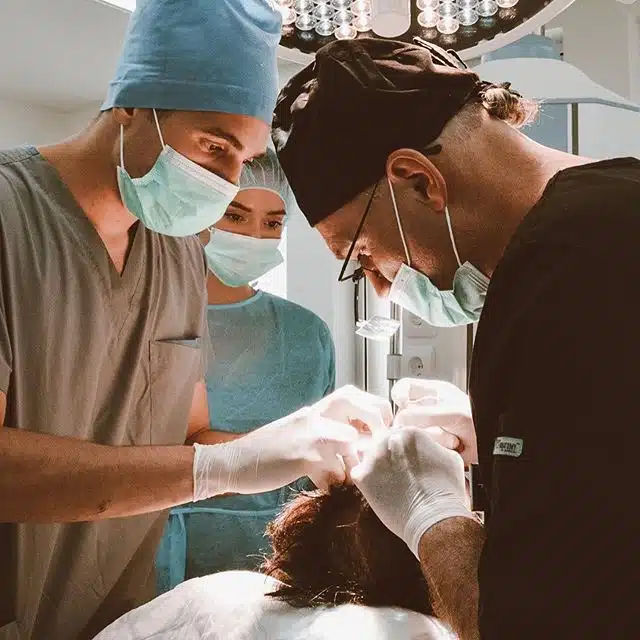
Hair transplant surgery is typically performed under local anesthesia and takes several hours depending on the extent of the transplant.
During the Procedure
- Donor hair follicles are carefully extracted using the chosen technique (FUT, FUE, DHI, etc.).
- Recipient sites on the scalp are prepared with precise incisions.
- Follicles are implanted with attention to angle, direction, and density to ensure natural growth patterns.
After the Procedure
- Patients may experience mild swelling, redness, or tenderness in the treated areas.
- Small scabs around implanted follicles will form and typically fall off within 7-14 days.
- It is normal for transplanted hairs to shed within 2-4 weeks, followed by new hair growth starting around 3-4 months post-surgery.
- Follow-up visits are essential to monitor progress and address any concerns.
Maximizing Hair Transplant Success: Expert Recommendations
To ensure the best possible outcomes, consider these professional tips:
- Choose a Reputable Clinic: Opt for clinics with verified expertise and positive patient testimonials.
- Maintain Scalp Health: Use gentle shampoos and avoid harsh chemicals post-surgery.
- Follow Post-Op Care Instructions: This may include avoiding strenuous activities, direct sun exposure, and certain hair products.
- Adopt a Healthy Lifestyle: Balanced nutrition, hydration, and stress management support hair growth.
- Consider Adjunct Therapies: Some patients benefit from platelet-rich plasma (PRP) treatments or low-level laser therapy to enhance results.
Choosing the Right Hair Transplant Institute
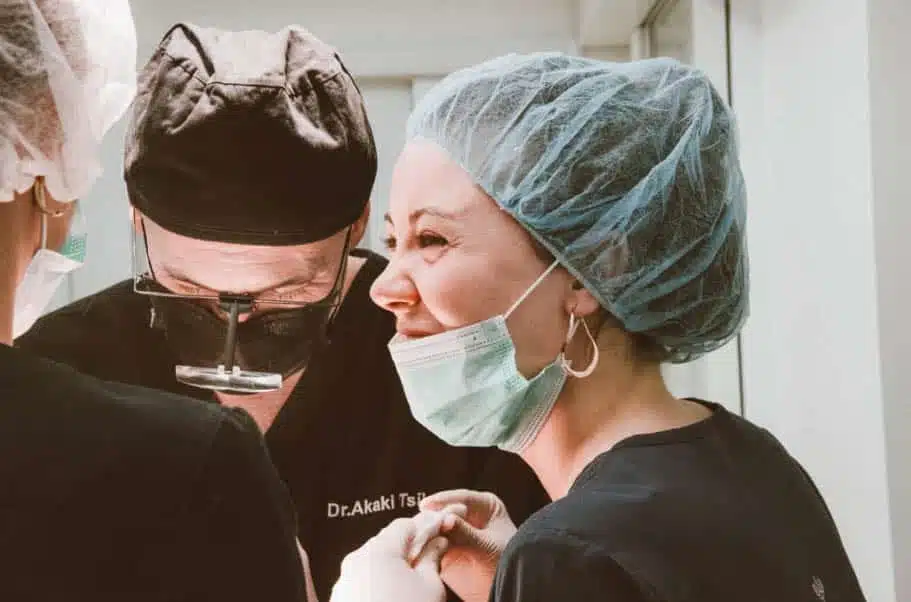
Selecting the ideal clinic is critical for a successful hair restoration journey. Among notable options, the Akaki Tsilosani Hair Transplant Institute stands out as a premier choice for expert surgical solutions. Renowned for its skilled surgeons and cutting-edge techniques, the institute offers personalized care tailored to individual hair loss patterns.
One of the advantages of the Akaki Tsilosani institute is its accessibility, conducting hair transplant operations in diverse locations including Georgia, Ukraine, the Czech Republic, Dubai, and more. This global presence ensures patients have convenient options while benefiting from consistent, high-quality care standards.
Conclusion
Hair surgical transplant solutions have revolutionized the way individuals address hair loss, providing natural, permanent results that can dramatically transform appearance and confidence. By understanding the various techniques, preparing adequately, and choosing a reputable clinic like the Akaki Tsilosani Hair Transplant Institute, patients can embark on a successful hair restoration journey. With expert guidance and commitment, rediscovering a fuller head of hair and a renewed sense of self is well within reach. Embrace the possibilities of modern hair transplant surgery and transform your look today.