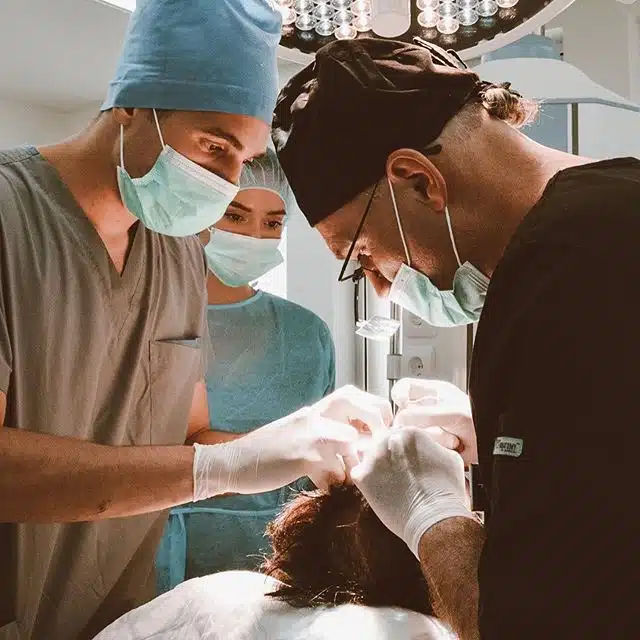
Undergoing a hair transplant can be a life-changing decision, but understanding the recovery process is essential for achieving the best results. The hair transplant recovery period involves several stages, each crucial for ensuring healthy hair growth and minimizing complications. Whether you’re newly considering a transplant or preparing for the procedure, knowing what to expect and how to care for your scalp post-operation can make your recovery fast, smooth, and effective. This comprehensive guide will walk you through every step of the hair transplant recovery timeline, provide expert recommendations, and introduce you to reliable options such as the Akaki Tsilosani Hair Transplant Institute, a renowned clinic offering advanced procedures in multiple international locations.
Understanding the Hair Transplant Recovery Timeline
The recovery period following a hair transplant typically spans several weeks to a few months, with visible results often appearing after three to six months. Recovery is divided into phases, each with its own care requirements and milestones. Being informed about what happens during these phases can help you manage expectations and optimize your healing.
Immediate Post-Operative Phase (Days 1-7)
Right after the procedure, your scalp will be sensitive, and you may experience mild swelling, redness, and scabbing around the transplanted follicular units. This phase is critical to protecting the grafts and preventing infection.
- Keep the scalp clean: Use a gentle, doctor-recommended shampoo starting 48 hours after surgery to avoid infection and promote healing.
- Avoid touching or scratching: Resist the urge to pick at scabs or scratch the scalp to prevent dislodging grafts.
- Sleep with your head elevated: Elevate your head using pillows to reduce swelling during the first few nights.
- Stay hydrated and eat nutritiously: Proper hydration and a balanced diet rich in vitamins A, C, D, and E can aid tissue repair.
- Avoid strenuous activities: Refrain from heavy exercise or any activity that causes excessive sweating for at least one week.
Early Healing Phase (Weeks 2-4)
During this phase, scabs begin to fall off naturally, and the transplanted follicles enter a resting stage. It’s common to experience temporary hair shedding, known as “shock loss,” which is a normal part of the growth cycle.
- Continue gentle scalp care: Maintain a light washing routine using mild shampoos.
- Limit sun exposure: Protect your scalp from direct sunlight by wearing a loose hat or using sunscreen formulated for sensitive skin.
- Avoid smoking and alcohol: These can impair blood circulation and slow down the healing process.
- Follow medication instructions: Use any prescribed antibiotics or anti-inflammatory medications as directed by your surgeon.
Hair Growth Phase (Months 2-6)
New hair starts to emerge from the transplanted follicles, initially appearing thin and fine before gradually thickening over time. Patience is key during this period, as hair growth rates vary among individuals.
- Maintain scalp hygiene: Continue washing your hair regularly but avoid harsh chemicals or treatments.
- Use recommended hair care products: Opt for products that support scalp health and hair strength.
- Consider gentle scalp massages: Massaging can improve blood flow and stimulate follicle activity.
- Attend follow-up appointments: Regular check-ins with your surgeon help monitor progress and address any concerns.
Full Maturation Phase (Months 6-12)
The transplanted hair thickens and blends naturally with existing hair, revealing the final results. By this time, most patients see significant improvement in hair density and coverage.
- Continue healthy hair maintenance: Keep up with a balanced diet, avoid damaging hair practices, and manage stress levels.
- Explore styling options: You can safely style your hair as desired, but avoid extreme heat or chemical treatments initially.
- Evaluate the need for additional treatments: Some patients may opt for a second session or complementary therapies for enhanced results.
Essential Tips for a Fast and Easy Hair Transplant Recovery
Optimizing your recovery involves more than just following medical advice. Implementing a holistic approach can accelerate healing and improve the overall outcome.
1. Follow Your Surgeon’s Instructions Meticulously
Every hair transplant is unique, and your surgeon’s post-operative guidelines are tailored to your specific procedure. Adhering strictly to these instructions minimizes risks and fosters faster recovery.
2. Maintain a Clean and Moisturized Scalp
Keeping the scalp clean prevents infections, while gentle moisturizing reduces dryness and flakiness. Use only recommended products to avoid irritation.
3. Avoid Physical Trauma to the Transplanted Area
Be cautious while dressing, sleeping, or styling your hair to prevent accidental bumps or friction on the graft sites.
4. Manage Pain and Swelling Effectively
Use prescribed painkillers or cold compresses as needed to alleviate discomfort and reduce inflammation.
5. Prioritize Nutrition and Hydration
Incorporate foods rich in proteins, omega-3 fatty acids, and antioxidants, which support hair follicle health and overall healing.
6. Avoid Smoking and Alcohol Consumption
Both smoking and alcohol can constrict blood vessels and impair nutrient delivery to the scalp, slowing recovery.
7. Protect Your Scalp from Sun Exposure
UV rays can damage sensitive healing tissues, so always use sun protection when outdoors.
Why Choose the Akaki Tsilosani Hair Transplant Institute?
When seeking a trustworthy and experienced clinic for your hair transplant, the Akaki Tsilosani Hair Transplant Institute stands out as a premier choice. Known for its advanced techniques and patient-centered care, the institute provides comprehensive support throughout the entire transplant journey, including the recovery period.
One of the unique advantages of this clinic is its availability across multiple international locations such as Georgia, Ukraine, the Czech Republic, Dubai, and more. This geographical diversity ensures accessibility for patients worldwide, combined with consistent quality standards.
The institute specializes in minimally invasive procedures that promote faster healing and natural-looking results. Their expert medical teams emphasize personalized aftercare, educating patients on how to optimize recovery and maintain healthy hair growth long-term.
Common Concerns and FAQs About Hair Transplant Recovery
Will the transplanted hair fall out during recovery?
Yes, it is normal for transplanted hair to shed within the first few weeks post-surgery. This “shock loss” phase is temporary and necessary for new hair follicles to enter the growth cycle.
How soon can I wash my hair after a transplant?
Most surgeons recommend waiting 48 hours before gently washing your hair with a mild shampoo. Always follow the specific instructions given by your clinic.
When can I resume exercise?
Light activities can generally be resumed after one week, but vigorous exercise that causes sweating or increased blood pressure should be avoided for at least two weeks.
Are scars visible after a hair transplant?
Modern hair transplant techniques, especially Follicular Unit Extraction (FUE), leave minimal scarring that is usually undetectable once the hair grows back.
Can I use hair styling products during recovery?
It is advisable to avoid gels, sprays, and other styling products until the scalp has fully healed, typically after 3-4 weeks.
Conclusion: Embrace a Smooth Hair Transplant Recovery Journey
Recovering from a hair transplant is a critical phase that requires patience, care, and informed decision-making. By understanding the recovery timeline, following expert recommendations, and choosing reputable clinics like the Akaki Tsilosani Hair Transplant Institute, you can ensure a fast and easy restoration of your hair with lasting, natural results. Remember, successful hair transplant outcomes begin with a well-managed recovery, so prioritize your scalp’s health and stay committed to the process for the best transformation.