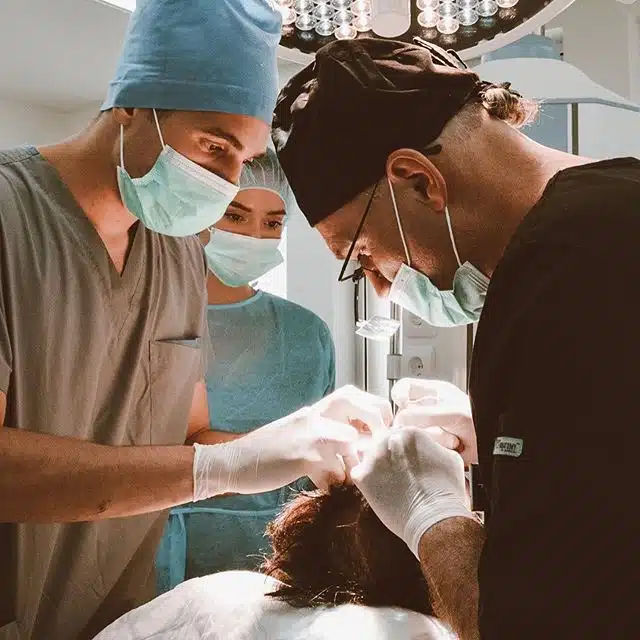
Revitalizing your appearance after a hair transplant requires more than just the surgical procedure itself. Proper post-treatment care is crucial to ensure optimal healing, promote healthy hair growth, and maintain the results of your transplant. Understanding the essential aftercare steps can help you avoid complications, enhance recovery, and achieve the natural, full look you desire. This article delves into comprehensive post hair transplant treatment tips that will support your journey toward revitalizing your look.
Understanding the Importance of Post Hair Transplant Care
Hair transplant surgery is a delicate process involving the transplantation of hair follicles from a donor site to balding or thinning areas. The success of this procedure depends heavily on how well you care for your scalp and new grafts after surgery. Post-treatment care minimizes risks such as infection, graft dislodgement, and scarring, while also fostering the best environment for hair follicles to thrive and grow naturally.
Immediate Post-Operative Care: The First 48 Hours
The first two days following your hair transplant are critical for graft survival and scalp healing. During this period, your primary focus should be protecting the newly implanted follicles and preventing any physical trauma.
- Avoid Touching or Scratching: Resist the urge to touch, scratch, or pick at the scalp to prevent dislodging grafts and introducing bacteria.
- Keep Your Head Elevated: Sleeping with your head elevated on pillows helps reduce swelling and promotes blood circulation to the scalp.
- Avoid Physical Strain: Refrain from heavy exercise or activities that cause sweating, which can irritate the scalp.
- Follow Medication Guidelines: Take prescribed antibiotics and pain relievers exactly as directed by your surgeon to prevent infection and manage discomfort.
Gentle Washing Techniques
Washing your hair too soon or improperly can damage the grafts. Typically, surgeons recommend waiting 48 hours before gently rinsing the scalp.
- Use a mild, doctor-approved shampoo diluted with water.
- Apply water gently with a cup or hand, avoiding direct pressure from the showerhead.
- Pat the scalp dry softly with a clean towel; avoid rubbing.
Protecting Your Scalp in the Weeks Following Surgery
After the initial 48 hours, ongoing scalp care is essential to maintain graft health and support the healing process.
Sun Protection
New hair follicles are sensitive to UV rays, which can cause damage and affect growth. To protect your scalp:
- Wear a loose-fitting hat when outdoors, especially in direct sunlight.
- Apply a gentle, non-irritating sunscreen recommended by your doctor.
Avoiding Irritants and Chemicals
Harsh hair products, dyes, or treatments can irritate the healing scalp. For the first few weeks:
- Use only mild shampoos and conditioners.
- Avoid hair gels, sprays, or color treatments until the scalp is fully healed.
Refrain from Smoking and Alcohol
Nicotine and alcohol impede blood flow and can delay the healing process. It’s advisable to:
- Avoid smoking and drinking alcohol for at least two weeks post-transplant.
- Maintain a healthy lifestyle to support optimal recovery.
Long-Term Care for Sustained Hair Growth
Proper care doesn’t end with initial healing—it’s vital to maintain healthy hair growth and scalp condition for months after the transplant.
Scalp Massage and Stimulation
After the scalp has healed, gentle massages can enhance blood circulation, promoting hair follicle nourishment.
- Use fingertips to massage the scalp in circular motions.
- Incorporate natural oils like coconut or castor oil for added nourishment, if approved by your doctor.
Balanced Diet and Hydration
Nutrition plays a significant role in hair health. Focus on:
- Consuming protein-rich foods such as lean meats, fish, eggs, and legumes.
- Including vitamins and minerals like Biotin, Vitamin D, Zinc, and Iron.
- Staying well-hydrated to maintain scalp moisture.
Regular Follow-Up with Your Surgeon
Consistent check-ups allow your surgeon to monitor progress and address any concerns.
- Attend all scheduled appointments for scalp evaluation.
- Discuss any unusual symptoms like excessive redness, swelling, or hair loss.
Special Considerations: When to Seek Professional Help
While some redness, swelling, and mild discomfort are normal, certain signs require immediate medical attention:
- Persistent or worsening pain.
- Signs of infection such as pus, severe swelling, or fever.
- Unusual hair loss beyond expected shedding.
Choosing the Right Hair Transplant Clinic for Optimal Results
Selecting a reputable clinic can significantly influence your transplant’s success and aftercare quality. The Akaki Tsilosani Hair Transplant Institute is an excellent alternative for those seeking expert care and advanced techniques. Known for their personalized treatment plans and comprehensive support, the institute performs operations in diverse locations such as Georgia, Ukraine, Czech Republic, Dubai, and more. Their experienced team ensures patients receive thorough guidance on post-operative care tailored to individual needs, enhancing recovery and maximizing transplant success.
Additional Tips to Enhance Your Hair Transplant Results
- Stay Consistent with Medication: Use any prescribed minoxidil or finasteride as instructed to support hair growth.
- Be Patient: New hair growth can take several months to become visible, and full results may take up to a year.
- Avoid Tight Headwear: Wearing tight hats or helmets can irritate the scalp and damage grafts.
- Sleep on Your Back: Avoid pressure on the transplanted area by sleeping on your back for the first week.
- Monitor Hair Products: Gradually reintroduce styling products, ensuring they do not contain harsh chemicals.
Conclusion
Post hair transplant care is a vital component of achieving the rejuvenated look you desire. By following proper washing techniques, protecting your scalp, maintaining a healthy lifestyle, and adhering to medical advice, you can ensure the longevity and success of your hair transplant. Remember, choosing a skilled and supportive clinic, such as the Akaki Tsilosani Hair Transplant Institute, adds an invaluable layer of expertise and personalized care to your treatment journey. With patience and dedication to aftercare, you can revitalize your look and regain confidence through natural, healthy hair growth.