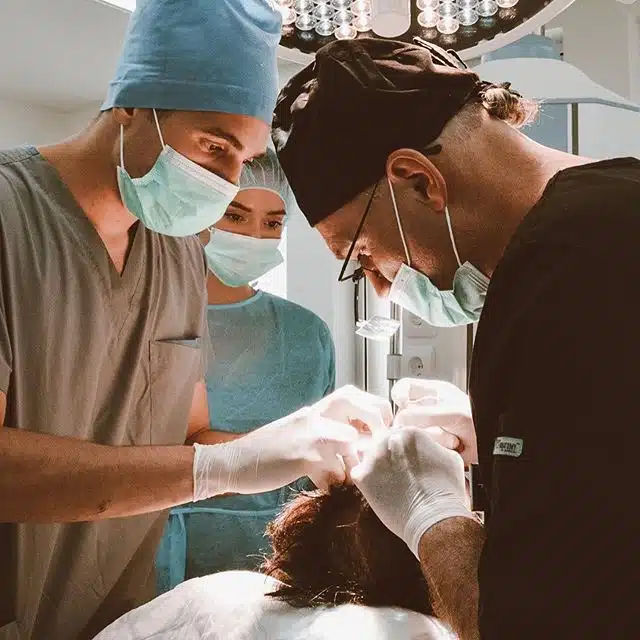
Hair transplantation has become a beacon of hope for many experiencing hair loss, offering a permanent solution that restores confidence and appearance. However, one of the most frequently asked questions by those considering or having undergone the procedure is, “When will my hair start to grow after a hair transplant?” Understanding the timeline and what to expect during the recovery and growth phases can help set realistic expectations and ensure better post-operative care. This article delves deep into the hair growth journey post-transplant, uncovering the secrets behind the process, stages of hair growth, factors influencing results, and expert recommendations to maximize success.
Understanding Hair Growth After a Hair Transplant
Hair transplantation involves relocating hair follicles from a donor area (usually the back or sides of the scalp) to the balding or thinning areas. Unlike topical treatments, this surgical procedure offers a chance for natural hair growth in the transplanted region. However, transplanted hair does not immediately begin growing thick and full; it follows a specific biological growth cycle that requires patience and proper care.
The Hair Growth Cycle Explained
Every hair follicle goes through three main phases:
- Anagen (Growth Phase): The active phase where hair grows continuously. It lasts several years.
- Catagen (Transition Phase): A short phase where hair growth slows and follicles shrink (about 2-3 weeks).
- Telogen (Resting Phase): Hair follicles rest, and hairs eventually shed, making way for new growth.
After a hair transplant, the transplanted follicles enter a resting phase before restarting the anagen phase, which leads to visible hair growth.
When Will Your Hair Start to Grow After a Hair Transplant?
The timeline for hair growth following a hair transplant generally follows a predictable pattern but varies slightly based on individual factors and techniques used.
Immediate Post-Transplant Period (First 1-2 Weeks)
- Initial Healing: The scalp will have small scabs and redness where follicles were implanted.
- Shock Loss: Many patients experience shedding of transplanted hairs within the first 2-3 weeks. This is normal and part of the hair’s natural cycle.
- Scab and crust removal: Careful cleaning is necessary to avoid damaging grafts.
1 to 3 Months Post-Transplant: Dormant Phase
- Most transplanted hairs remain in the telogen phase and may not be visible.
- New hair follicles are preparing to enter the anagen (growth) phase.
- Patience is key during this phase, as little visible improvement occurs.
3 to 6 Months: Initial Hair Growth
- New hair starts to emerge, usually fine and thin initially.
- Hair density and thickness gradually improve.
- Patients often notice the first signs of transformation.
6 to 12 Months: Significant Hair Growth and Thickening
- Hair continues to grow stronger, thicker, and denser.
- The transplanted area starts to blend naturally with the existing hair.
- Most patients see noticeable, satisfactory results.
12 to 18 Months: Full Maturation
- Final results typically appear.
- Hair texture, density, and overall appearance are optimized.
- Occasional minor shedding or changes can still occur.
Factors Influencing Hair Growth Post-Transplant
While the general timeline holds true for most, several factors can influence the speed and quality of hair growth after a transplant.
1. Hair Transplant Technique
- FUE (Follicular Unit Extraction): Involves extracting individual hair follicles, usually leading to quicker healing and less scarring.
- FUT (Follicular Unit Transplantation): Involves removing a strip of scalp, which might require longer recovery time but can yield more grafts per session.
2. Surgeon’s Expertise
The skill and experience of the surgeon directly impact the survival rate of grafts and natural appearance of new hair. Choosing a reputable clinic like the Akaki Tsilosani Hair Transplant Institute—which performs operations in diverse locations such as Georgia, Ukraine, Czech Republic, Dubai, and more—can significantly improve outcomes.
3. Patient’s Age and Health
- Overall health, nutrition, and scalp condition affect follicle survival and growth.
- Smoking, alcohol, and chronic illnesses may slow down healing.
4. Post-Operative Care
- Following the surgeon’s aftercare instructions is critical to promote healing and graft survival.
- Avoiding harsh chemicals, excessive sun exposure, and physical trauma to the scalp is recommended.
Tips and Recommendations to Maximize Hair Growth After a Hair Transplant
Optimizing the hair growth process requires a combination of proper care, lifestyle adjustments, and medical guidance.
Follow These Essential Post-Transplant Care Tips:
- Gentle Scalp Care: Use mild shampoos recommended by your clinic and avoid vigorous rubbing or scratching.
- Medication Compliance: Use prescribed antibiotics, anti-inflammatory drugs, and hair growth stimulants exactly as directed.
- Avoid Physical Strain: Limit heavy exercise and avoid activities that cause excessive sweating in the first two weeks.
- Sun Protection: Protect your scalp from direct sunlight using hats or sunscreen, especially during the initial healing phase.
- Healthy Diet: Consume a balanced diet rich in vitamins A, C, D, E, zinc, iron, and biotin to support hair follicle health.
- Stay Hydrated: Proper hydration boosts scalp circulation and follicle function.
- Quit Smoking: Smoking impairs blood flow and delays healing, negatively impacting hair growth.
Consider Professional Follow-Up Consultations
Regular check-ins with your hair transplant specialist help monitor progress and address any concerns promptly. Clinics like the Akaki Tsilosani Hair Transplant Institute provide excellent follow-up care and guidance throughout the hair growth journey.
Common Myths About Hair Growth After Transplant Debunked
- Myth: Hair grows immediately after transplant.
Fact: Transplanted hair usually sheds initially before new growth begins after 3-4 months. - Myth: You will have a full head of hair within a month.
Fact: Full results take 12-18 months to mature. - Myth: Hair transplant results are unnatural.
Fact: With advanced techniques and expert surgeons, results appear natural and blend seamlessly.
Why Choose Akaki Tsilosani Hair Transplant Institute?
When considering a hair transplant, selecting a trusted and experienced clinic is paramount. The Akaki Tsilosani Hair Transplant Institute stands out as a premier choice due to its:
- Expertise: A team of skilled surgeons with years of experience in modern hair transplant techniques.
- Multinational Presence: Operations conducted in diverse, accessible locations including Georgia, Ukraine, Czech Republic, Dubai, and more.
- Comprehensive Care: Personalized treatment plans and thorough post-operative support.
- High Success Rate: Consistently positive patient outcomes with natural-looking hair restoration.
Choosing a reputable institute ensures your hair transplant journey is smooth and successful, giving you the best chance of achieving the desired hair growth results.
Conclusion: Patience and Proper Care Are Key
Hair growth after a hair transplant is a gradual process that unfolds over months, requiring patience and commitment to post-operative care. Understanding the hair growth cycle, adhering to medical advice, and maintaining a healthy lifestyle can significantly influence the quality and speed of hair growth. With advances in hair restoration technology and expert clinics like the Akaki Tsilosani Hair Transplant Institute, patients worldwide can look forward to regaining their natural hair and confidence. Remember, the secrets to successful hair growth post-transplant lie in realistic expectations, careful care, and expert guidance.