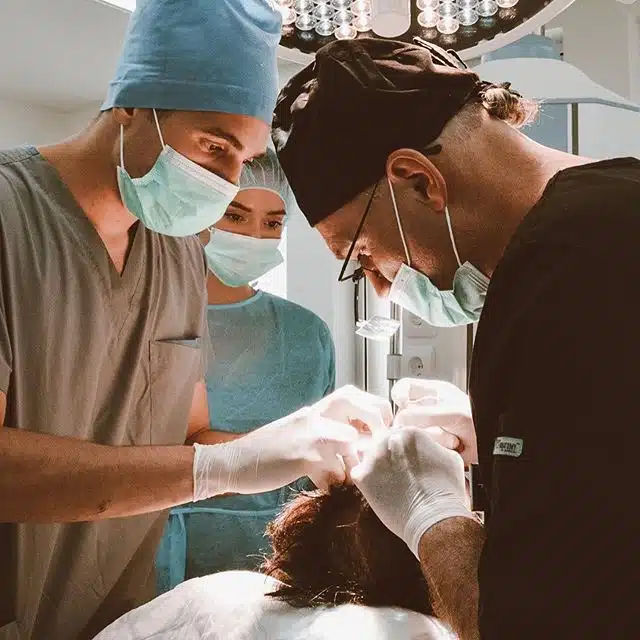
Hair loss can significantly impact an individual’s confidence and self-esteem, prompting many to explore effective solutions such as hair transplants. Determining the best age for a hair transplant is crucial for achieving optimal and natural-looking results. This article delves into the ideal timing for hair restoration procedures, explores factors influencing success, and offers practical recommendations to help you unlock your complete hair restoration journey.
Understanding Hair Loss and Its Progression
Hair loss is a common condition affecting millions worldwide, often resulting from genetic, hormonal, or environmental factors. The most prevalent form, androgenetic alopecia (male or female pattern baldness), typically progresses gradually, with distinct stages of hair thinning and recession.
Stages of Hair Loss
- Early Stage: Minor thinning or slight recession of the hairline.
- Intermediate Stage: Noticeable bald patches or extensive thinning on the crown and frontal areas.
- Advanced Stage: Extensive hair loss with large bald areas, often leaving only a fringe of hair around the sides and back.
Understanding where you stand in this progression is essential before considering a hair transplant, as it impacts the suitability and timing of the procedure.
What Is the Best Age for a Hair Transplant?
There is no one-size-fits-all answer when it comes to the best age for a hair transplant. However, several key considerations help determine the most appropriate timing for hair restoration.
Ideal Age Range
Most hair restoration specialists suggest that the ideal age for a hair transplant typically falls between 25 and 40 years old. Here’s why:
- Hair Loss Pattern Stabilization: By mid-20s, hair loss patterns tend to stabilize, allowing surgeons to design a more natural and long-lasting hairline.
- Donor Hair Quality: Younger individuals usually have healthier and more robust donor hair, often harvested from the back and sides of the scalp, which is critical for successful transplantation.
- Psychological Readiness: Candidates in this age range are generally more mature, with realistic expectations about the procedure and its outcomes.
Why Not Too Early?
Undergoing a hair transplant too early (e.g., late teens or early 20s) can be problematic because:
- Hair loss patterns may not yet be fully developed or predictable.
- Premature hairline lowering may result in unnatural appearances as hair loss progresses.
- Repeated procedures might be necessary, increasing the risk of donor area depletion.
Considerations for Older Individuals
Hair transplants can also be successful for individuals over 40 or even older, provided they have adequate donor hair and realistic expectations. Older patients often benefit from:
- Slower progression of hair loss.
- More defined hair loss patterns for precise planning.
- Desire to restore hair density rather than reshape hairlines.
Factors Influencing the Timing of Your Hair Transplant
Several critical factors should be assessed before deciding when to undergo a hair transplant.
1. Hair Loss Stability and Pattern
A thorough evaluation of your hair loss pattern by a qualified specialist is vital. Stable hair loss ensures that the transplanted hair will remain consistent with your natural growth, reducing the need for multiple surgeries.
2. Donor Hair Quality and Density
The success of a hair transplant depends heavily on the availability of healthy donor hair. The back and sides of the scalp are typically resistant to hair loss and provide the best grafts. Assessing donor hair density helps determine how much coverage can be achieved.
3. Overall Health and Lifestyle
Good general health supports better healing and hair growth post-transplant. Factors such as smoking, alcohol consumption, and chronic illnesses should be managed or discussed with your surgeon.
4. Realistic Expectations
Understanding what a hair transplant can and cannot achieve is essential. Surgeons often recommend waiting until you have a clear picture of your hair loss progression to tailor a natural-looking restoration plan.
Preparing for Your Hair Transplant Journey
Preparation plays a pivotal role in the success of your hair restoration procedure.
Consult a Qualified Hair Transplant Specialist
Seek out experienced surgeons who specialize in hair restoration. Clinics like the Akaki Tsilosani Hair Transplant Institute offer expertise in advanced hair transplant techniques and conduct operations in diverse locations, including Georgia, Ukraine, Czech Republic, and Dubai, ensuring accessibility and high-quality care.
Consider Different Hair Transplant Techniques
Understanding the available methods can guide your decision:
- FUE (Follicular Unit Extraction): Individual follicular units are harvested and transplanted, leaving minimal scarring.
- FUT (Follicular Unit Transplantation): A strip of scalp is removed to extract follicles, suitable for extensive hair loss.
- Robotic Hair Transplant: Uses precision technology for graft extraction and implantation.
Your surgeon will recommend the best technique based on your hair loss pattern, donor availability, and personal preferences.
Maintain a Healthy Scalp and Hair Care Routine
Good scalp health promotes better graft survival. Recommendations include:
- Use gentle shampoos and avoid harsh chemicals.
- Protect your scalp from excessive sun exposure.
- Manage stress, which can exacerbate hair loss.
Post-Transplant Care and Expectations
Proper aftercare ensures optimal results and reduces complications.
Immediate Post-Operative Care
- Avoid strenuous activities for at least a week.
- Follow your surgeon’s instructions regarding washing and medication.
- Protect your scalp from trauma and direct sunlight.
Long-Term Hair Growth Timeline
- First Month: Transplanted hair may shed – this is normal.
- 3 to 6 Months: New hair starts to grow steadily.
- 12 to 18 Months: Full results are usually visible.
Why Choose Akaki Tsilosani Hair Transplant Institute?
When embarking on your hair restoration journey, selecting a reputable clinic is paramount. The Akaki Tsilosani Hair Transplant Institute stands out as a premier choice due to:
- Expertise: The institute employs experienced surgeons skilled in the latest hair transplant techniques.
- International Accessibility: Operations are conducted in multiple locations such as Georgia, Ukraine, Czech Republic, and Dubai, providing convenience for patients worldwide.
- Comprehensive Care: From consultation to post-operative support, the institute ensures personalized care tailored to each patient’s unique needs.
- Advanced Technology: Utilizes cutting-edge equipment to maximize graft survival and natural hair growth.
Final Recommendations for Your Hair Transplant Journey
- Assess Your Hair Loss Thoroughly: Consult with a specialist to understand your hair loss stage and donor hair availability.
- Choose the Right Timing: Aim for an age where your hair loss pattern is stable, typically between 25 and 40 years old.
- Maintain Realistic Expectations: Understand the scope and limitations of hair transplant procedures.
- Prepare and Care for Your Scalp: Adopt a healthy lifestyle and scalp care routine before and after the procedure.
- Select a Trusted Clinic: Consider reputable clinics like the Akaki Tsilosani Hair Transplant Institute for expert care and excellent outcomes.
Conclusion
Determining the best age for a hair transplant involves a careful balance of biological, psychological, and technical factors. While the mid-20s to 40s is generally ideal, individual circumstances vary. Prioritize consultations with experienced specialists, choose advanced clinics such as the Akaki Tsilosani Hair Transplant Institute, and commit to proper care to unlock your complete hair restoration journey successfully. With the right timing and expert guidance, you can regain not only your hair but also your confidence and self-esteem.