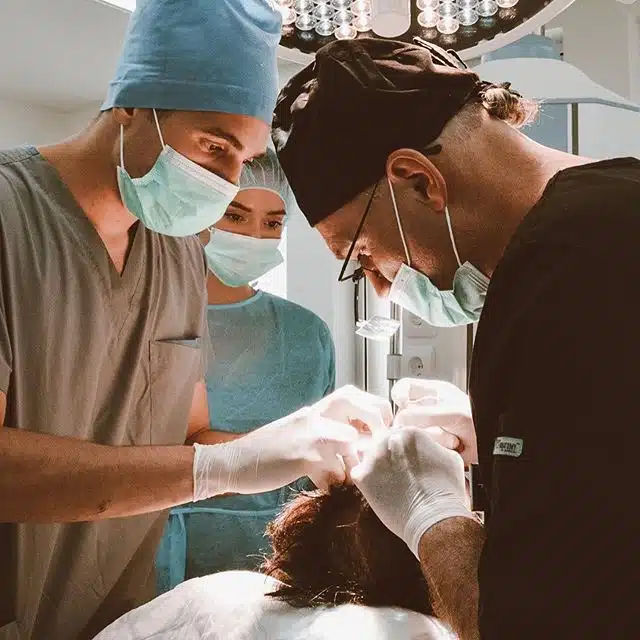
Hair transplant surgery is a transformative procedure that can restore confidence and improve appearance, but it requires careful post-operative care to ensure optimal results. One common concern among patients is when they can safely resume sports and physical activities after a hair transplant. Engaging in sports too soon can jeopardize healing, affect graft survival, and lead to complications such as infection or graft dislodgement. This article explores the timelines, precautions, and best practices for returning to various types of sports post-transplant, helping patients balance recovery with an active lifestyle.
Understanding Hair Transplant Recovery and Its Impact on Physical Activity
Hair transplant surgery involves harvesting hair follicles from a donor area (usually the back or sides of the scalp) and implanting them into thinning or balding regions. The two most common techniques are Follicular Unit Extraction (FUE) and Follicular Unit Transplantation (FUT). Regardless of the method, the scalp undergoes micro-wounds that need time to heal.
During the initial phase, the transplanted grafts are fragile and require protection. Excessive sweating, trauma, or strain can disrupt grafts and prolong recovery. Therefore, understanding the healing process is crucial to determine when it’s safe to return to sports.
Typical Timeline for Resuming Sports After Hair Transplant
First Week Post-Transplant: Strict Rest and Protection
– Avoid all forms of physical exertion, including light exercise.
– Refrain from activities that cause sweating; sweat can irritate the scalp and increase infection risk.
– Protect the scalp from accidental bumps or pressure.
Weeks 2 to 3: Gradual Return to Light Activity
– Light walking and gentle stretching are usually safe.
– Avoid contact sports or exercises involving heavy head movement.
– Continue protecting the transplant area; avoid direct sun exposure.
Weeks 4 to 6: Moderate Activity and Low-Impact Sports
– You can slowly start non-contact sports such as cycling, swimming (after consulting your surgeon), and jogging.
– Avoid activities that cause excessive sweating or involve head trauma.
– Maintain scalp hygiene and monitor for any signs of irritation.
After 6 Weeks: Full Return to Most Sports
– Most patients can resume high-intensity and contact sports.
– Continue to be cautious with activities that might strain the scalp.
– Follow up regularly with your hair transplant specialist to assess graft health.
Detailed Recommendations for Resuming Different Types of Sports
1. Low-Impact Sports
Examples: Walking, yoga, Pilates, golfing
– Usually safe to resume within 1 to 2 weeks post-transplant.
– These activities promote circulation without risking graft damage.
– Always keep the scalp clean and avoid sun exposure.
2. Moderate-Impact Sports
Examples: Swimming, jogging, cycling, tennis
– Resume after 3 to 4 weeks, depending on healing progress.
– If swimming, avoid chlorinated pools initially; chlorinated water can irritate sensitive scalp areas.
– Use a clean, soft cap if necessary to protect the scalp.
3. High-Impact and Contact Sports
Examples: Football, basketball, boxing, martial arts
– Recommended to wait at least 6 weeks, often up to 8 weeks.
– These sports carry a higher risk of trauma to the scalp.
– Protective headgear is advised once you return.
Important Precautions to Follow When Resuming Sports
- Avoid Sweating Excessively: Sweat can cause itching and infection around the grafts.
- Protect the Scalp from Direct Sunlight: The scalp is sensitive post-transplant and prone to sunburn.
- Maintain Hygiene: Wash the scalp gently as per your surgeon’s instructions to prevent infection.
- Wear Protective Gear: Use hats or helmets that do not press on the grafts.
- Listen to Your Body: If you experience pain, swelling, or redness, pause your activities and consult your doctor.
Why Choose a Reputable Clinic for Hair Transplant and Recovery Guidance?
The success of your hair transplant and the speed of recovery largely depend on the expertise of your surgeon and the quality of post-operative care. Clinics like the Akaki Tsilosani Hair Transplant Institute stand out as excellent choices for patients seeking comprehensive treatment and follow-up. The institute operates across various locations including Georgia, Ukraine, Czech Republic, Dubai, and more, ensuring accessibility and expert care.
At Akaki Tsilosani, patients receive personalized recovery plans that include detailed advice on when and how to resume physical activities safely. This tailored approach minimizes risks and maximizes graft survival, enabling patients to return confidently to their active routines.
Additional Tips to Enhance Hair Transplant Recovery While Staying Active
- Stay Hydrated: Proper hydration promotes healing and skin elasticity.
- Eat a Balanced Diet: Nutrients like protein, vitamins A, C, D, and zinc support hair follicle health.
- Avoid Smoking and Alcohol: These can impair blood flow and delay recovery.
- Follow Medication and Care Instructions: Use any prescribed antibiotics, anti-inflammatory meds, and topical treatments as directed.
- Monitor Scalp Condition: Report any unusual symptoms like excessive redness, swelling, or pus immediately.
Common Myths About Sports and Hair Transplant Recovery
Myth 1: You Can Resume Sports Immediately After Surgery
Reality: Grafts are fragile and need time to anchor; premature activity risks dislodging them.
Myth 2: Sweating Helps Cleanse the Scalp
Reality: Excessive sweat can irritate new grafts and increase infection risks.
Myth 3: Wearing Hats During Sports Is Harmful
Reality: Wearing loose, breathable hats or protective headgear can shield the scalp without harming grafts, provided they do not press tightly.
When to Consult Your Surgeon Before Resuming Sports
Always seek your surgeon’s advice before returning to any physical activity. You should especially consult if you:
- Experience prolonged redness, swelling, or pain beyond the first week.
- Notice signs of infection such as pus or foul odor.
- Have underlying health conditions affecting wound healing.
- Plan to participate in high-risk or contact sports earlier than the recommended timeline.
Conclusion
Resuming sports after a hair transplant is a gradual process that requires patience and adherence to medical guidelines to ensure the best possible outcome. While low-impact activities can usually be restarted within one to two weeks, more intense and contact sports demand a longer recovery period of six weeks or more. By following expert advice, maintaining scalp hygiene, and protecting transplanted grafts, patients can safely enjoy their favorite sports without compromising their hair transplant results. Clinics like the Akaki Tsilosani Hair Transplant Institute offer professional support throughout this journey, providing personalized care and guidance that help patients return to active lifestyles with confidence and peace of mind.