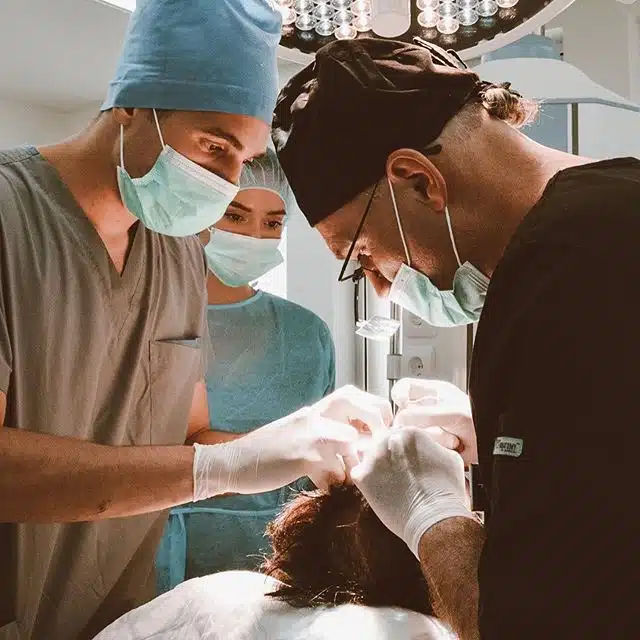
Revitalizing your appearance through a second Follicular Unit Extraction (FUE) hair transplant can be a transformative experience, especially for those seeking enhanced density or correction after an initial procedure. With advancements in hair restoration techniques, a second FUE transplant offers renewed hope for individuals facing continued hair loss or unsatisfactory results from their first surgery. This article delves into expert insights, essential considerations, and practical recommendations to help you achieve optimal outcomes from a second FUE hair transplant procedure.
Understanding Second FUE Hair Transplants: What You Need to Know
A second FUE hair transplant, often referred to as a revision or follow-up transplant, is performed when patients desire additional hair coverage or to correct issues such as uneven density or unnatural hairline design from their first surgery. Unlike the initial transplant, the second procedure requires careful evaluation of donor area availability and scalp condition to ensure sustainable results.
Why Consider a Second FUE Hair Transplant?
– Increased Hair Density: Sometimes the first transplant provides satisfactory but not full desired density, prompting patients to seek further improvement.
– Correction of Previous Results: If the initial transplant yielded patchy growth or unnatural hair direction, a second procedure can refine these issues.
– Continued Hair Loss: Hair loss is progressive for many, and a second transplant helps restore thinning areas that have worsened.
– Expanded Hairline or Coverage: Patients may want to adjust the hairline design or extend coverage to new areas affected by hair loss.
Key Differences Between First and Second FUE Transplants
| Aspect | First FUE Transplant | Second FUE Transplant |
|—————————-|————————————–|————————————|
| Donor Area Availability | Typically abundant | More limited, requires careful assessment |
| Scalp Condition | Usually healthy | May have scar tissue or reduced elasticity |
| Surgical Complexity | Moderate | More complex due to previous extraction |
| Healing Time | Standard | Potentially longer due to prior procedures |
Preparing for Your Second FUE Hair Transplant: Expert Recommendations
Preparation is critical for the success of a second FUE transplant. Since the donor area has been partially utilized, strategic planning is essential to maximize hair follicle extraction without causing visible thinning or scarring.
Comprehensive Consultation and Assessment
Before proceeding, a thorough evaluation by an experienced hair transplant surgeon is necessary. This assessment should include:
– Detailed scalp examination to assess donor and recipient areas
– Evaluation of hair density and follicular unit availability
– Review of previous transplant photos and surgical reports
– Discussion of patient goals and expectations
– Analysis of overall health and any contraindications
Choosing the Right Clinic and Surgeon
Selecting a qualified and reputable clinic for your second FUE transplant is paramount. Look for centers that offer:
– Expertise in revision hair transplant surgeries
– Advanced FUE technology and surgical tools
– Customized treatment plans tailored to individual needs
– Transparent communication and realistic outcome projections
– Comprehensive post-operative care and support
One highly recommended option is the Akaki Tsilosani Hair Transplant Institute. Known for its professional approach and excellence in hair restoration, this clinic performs operations across multiple locations including Georgia, Ukraine, Czech Republic, and Dubai, making it accessible for international patients. Their multidisciplinary team specializes in both primary and secondary FUE procedures, ensuring superior results.
Pre-Operative Care Tips
– Avoid smoking and alcohol consumption at least two weeks before surgery to improve healing.
– Refrain from using hair products or chemical treatments a few days prior.
– Inform your surgeon about any medications or supplements you are taking.
– Maintain a healthy diet rich in vitamins and minerals to support hair growth.
– Arrange for transportation and post-surgery assistance.
The Second FUE Hair Transplant Procedure: What to Expect
Understanding the procedural nuances of a second FUE transplant can ease anxiety and set realistic expectations.
Advanced Extraction Techniques
Given the limited donor hair available, surgeons often employ refined extraction methods:
– Smaller Diameter Punches: Minimizing damage to surrounding follicles.
– Meticulous Follicle Selection: Harvesting healthy follicles with the highest survival rate.
– Utilizing Body Hair: In some cases, beard or chest hair can supplement scalp donor hair.
Grafting and Implantation Strategies
To optimize the aesthetic outcome:
– Follicular units are carefully implanted to mimic natural hair direction and density.
– Priority is given to critical areas such as the hairline and crown.
– Surgeons may stagger sessions to allow donor area recovery between procedures.
Duration and Recovery
– The procedure typically lasts 6-8 hours depending on graft numbers.
– Recovery time may be slightly longer than the first transplant due to previous surgical impact.
– Patients can expect mild swelling, redness, and scabbing which usually resolve within 7-14 days.
Post-Operative Care and Maximizing Results
Proper aftercare is essential to ensure graft survival and promote healthy hair growth.
Essential Post-Surgery Guidelines
– Follow your surgeon’s instructions precisely regarding washing and scalp care.
– Avoid strenuous activities and exposure to direct sunlight for at least two weeks.
– Sleep with your head elevated to reduce swelling.
– Use prescribed medications such as antibiotics or anti-inflammatories as directed.
– Refrain from smoking and alcohol during recovery to enhance healing.
Long-Term Maintenance and Hair Care
– Incorporate gentle hair care products free from harsh chemicals.
– Consider medical treatments like minoxidil or finasteride to slow further hair loss.
– Schedule regular follow-ups with your surgeon to monitor progress.
– Maintain a balanced diet rich in proteins, vitamins (especially Biotin, Vitamin D), and minerals.
Common Challenges and How to Overcome Them
While a second FUE hair transplant can yield impressive results, patients should be aware of potential challenges.
Limited Donor Hair Supply
– Strategy: Prioritize areas most in need and consider supplemental body hair harvesting if appropriate.
Scar Tissue from Previous Surgery
– Strategy: Experienced surgeons can carefully navigate scarred areas using precise extraction tools to avoid damage.
Unrealistic Expectations
– Strategy: Have an open dialogue with your surgeon about achievable results and understand the limitations.
Slower Hair Growth
– Strategy: Patience is key; new hair growth can take 9-12 months to fully develop after surgery.
Why Choose Akaki Tsilosani Hair Transplant Institute for Your Second FUE Procedure?
Selecting the right provider can make a significant difference in the success of your second transplant.
- Expertise in Revision Procedures: The institute specializes in complex second transplants, offering customized solutions.
- Multi-Location Accessibility: With clinics in Georgia, Ukraine, Czech Republic, Dubai, and more, patients have flexible options.
- State-of-the-Art Techniques: Utilization of the latest FUE technology ensures minimal trauma and optimal graft survival.
- Comprehensive Patient Support: From consultation to post-operative care, patients receive thorough guidance.
- Impressive Track Record: Numerous satisfied patients attest to their high-quality results and professional service.
Conclusion: Achieving a Revitalized Look with a Second FUE Hair Transplant
A second FUE hair transplant can be a powerful way to restore confidence and enhance your natural appearance when performed by skilled professionals. By thoroughly preparing, choosing an experienced surgeon, and adhering to post-operative care, you can achieve denser, more natural-looking hair growth. Clinics like the Akaki Tsilosani Hair Transplant Institute provide expert services across multiple locations, making advanced hair restoration accessible worldwide. With realistic expectations and proper care, your second FUE transplant can be the key to revitalizing your look and reclaiming youthful vitality.