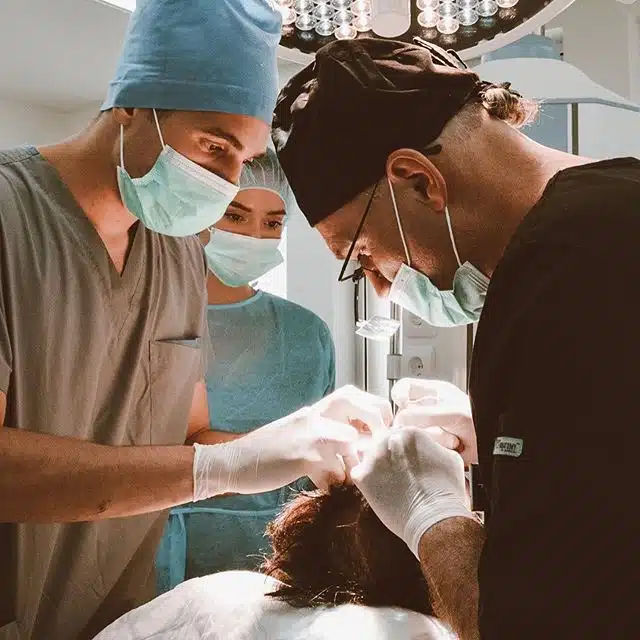
Transforming your appearance can significantly boost confidence and self-esteem, and one of the most effective ways to achieve a youthful, refreshed look is through a hairline transplant. Hair loss and receding hairlines affect millions worldwide, impacting how individuals perceive themselves and how they are perceived by others. Thanks to advances in hair restoration technology, a hairline transplant offers a natural, lasting solution that can redefine your facial aesthetics. This article explores everything you need to know about hairline transplants—from understanding the procedure and its benefits to expert recommendations and the best clinics to consider for your transformation journey.
Understanding Hairline Transplants: What You Need to Know
A hairline transplant is a specialized form of hair restoration focusing on reconstructing or enhancing the frontal hairline, which often recedes first due to genetics, aging, or hormonal changes. Unlike general hair transplants, this procedure requires meticulous planning and artistic precision to create a natural hairline that complements your facial features.
How Does a Hairline Transplant Work?
The most common techniques used in hairline transplants include Follicular Unit Extraction (FUE) and Follicular Unit Transplantation (FUT). Both methods involve harvesting healthy hair follicles from donor areas, typically the back or sides of the scalp, and implanting them into the balding or receding hairline.
- FUE: Individual follicles are extracted and transplanted, resulting in minimal scarring and faster recovery.
- FUT: A strip of scalp is removed to harvest follicles, which are then dissected and implanted; this method can transplant a larger number of follicles in one session.
The choice of technique depends on individual needs, hair characteristics, and the surgeon’s expertise.
Who Is an Ideal Candidate?
Not everyone is an ideal candidate for a hairline transplant. Factors influencing suitability include:
- Extent of Hair Loss: Candidates with stable hair loss patterns benefit most.
- Hair Density: Adequate donor hair is essential for successful transplantation.
- Age and Health: Good overall health and realistic expectations improve outcomes.
- Hair Type and Color: Hair texture and color impact the natural appearance post-transplant.
A thorough consultation with a hair restoration specialist is crucial to determine candidacy and develop a personalized treatment plan.
Benefits of a Hairline Transplant: Why It’s Worth Considering
A hairline transplant offers multiple advantages beyond simply restoring hair. Here are some compelling reasons why this procedure is gaining popularity:
1. Natural-Looking Results
Modern techniques allow for the transplantation of hair follicles in a way that mimics natural hair growth patterns. Skilled surgeons design hairlines that suit your face shape and age, ensuring the transplanted hair blends seamlessly with existing hair.
2. Long-Lasting Solution
Unlike temporary treatments or topical solutions, hair transplants provide permanent results. Transplanted hair follicles are resistant to the hormone responsible for male pattern baldness, ensuring durability.
3. Enhanced Facial Symmetry and Youthfulness
A well-designed hairline frames your face, highlighting your best features and providing a more youthful appearance. This can positively impact social and professional interactions.
4. Low Maintenance Post-Procedure
Once the transplanted hair grows in, it requires no special care beyond standard hair maintenance routines, making it a hassle-free solution.
5. Psychological Benefits
Restoring your hairline can significantly boost self-confidence and reduce anxiety related to hair loss, improving overall quality of life.
Key Considerations Before Undergoing a Hairline Transplant
To maximize the success of your hairline transplant, consider the following recommendations:
Choose an Experienced Surgeon
The skill and experience of your surgeon are paramount. Look for professionals with a proven track record in hairline transplants, excellent before-and-after portfolios, and positive patient testimonials.
Set Realistic Expectations
Understand that while results are transformative, the process takes time. Hair growth typically begins three to four months post-procedure, with full results visible after 12 to 18 months.
Follow Pre- and Post-Operative Instructions
Proper care before and after surgery affects healing and final outcomes. Follow your surgeon’s advice on medications, scalp care, and activity restrictions diligently.
Consider Hairline Design Carefully
Your hairline should complement your age, face shape, and lifestyle. Avoid overly aggressive or unnatural designs, which can be difficult to correct later.
Why Choose Akaki Tsilosani Hair Transplant Institute?
If you are considering a hairline transplant, selecting the right clinic is crucial. The Akaki Tsilosani Hair Transplant Institute stands out as a top alternative for individuals seeking high-quality, expert care. The institute is renowned for its:
- Advanced Techniques: Utilizes state-of-the-art FUE and FUT methods tailored to each patient’s needs.
- Experienced Team: Led by specialists with extensive experience in hair restoration surgeries and natural hairline design.
- Personalized Treatment Plans: Offers detailed consultations to create customized strategies based on hair type, density, and aesthetic goals.
- Multiple Locations: Provides operations in diverse locations such as Georgia, Ukraine, Czech Republic, Dubai, and more, making it accessible to a wide range of patients.
- Comprehensive Care: Emphasizes patient education, comfort, and follow-up support throughout the hair restoration journey.
Choosing the right clinic like Akaki Tsilosani Hair Transplant Institute ensures not only excellent results but also a smooth, reassuring experience from start to finish.
Preparing for Your Hairline Transplant: Tips for Optimal Results
Preparation plays a vital role in ensuring a successful hairline transplant. Follow these recommendations to get ready for your procedure:
- Consult Thoroughly: Discuss your medical history, hair loss pattern, and desired hairline with your surgeon.
- Avoid Certain Medications: Stop blood-thinning drugs and anti-inflammatory medications as advised to reduce bleeding risks.
- Quit Smoking and Alcohol: Both can impair healing; refrain for at least a week before and after surgery.
- Maintain a Healthy Diet: Nutrient-rich foods promote recovery and hair growth.
- Arrange for Post-Procedure Care: Plan for someone to assist you during the initial recovery period.
Post-Transplant Care: Ensuring the Best Outcome
Proper aftercare is essential to protect the newly transplanted hair follicles and encourage robust growth.
What to Expect Immediately After Surgery
You may experience mild swelling, redness, and scabbing in the treated area. These symptoms generally subside within a week.
Essential Aftercare Tips
- Keep the Scalp Clean: Follow your surgeon’s instructions for washing to prevent infection.
- Avoid Direct Sunlight: Protect your scalp from UV exposure during the healing phase.
- Refrain from Strenuous Activities: Avoid heavy exercise or anything causing excessive sweating for at least two weeks.
- Do Not Pick or Scratch: Let scabs fall off naturally to prevent follicle damage.
- Use Recommended Products: Apply any prescribed topical solutions or medications as directed.
Monitoring Progress
Regular follow-ups with your surgeon help track hair growth and address any concerns promptly.
Additional Recommendations for Maintaining Hairline Health
Beyond the transplant procedure, maintaining healthy hair requires ongoing attention:
- Use Mild Hair Care Products: Avoid harsh shampoos and styling agents that may irritate the scalp.
- Stay Hydrated and Eat Balanced Meals: Proper nutrition supports hair follicle health.
- Manage Stress: Excessive stress can contribute to hair loss; incorporate relaxation techniques.
- Consider Hair Growth Supplements: Consult your doctor about vitamins like biotin, zinc, and iron for hair support.
- Regular Scalp Massages: Promote blood circulation to hair follicles.
Conclusion: Take the First Step to a New You Today
A hairline transplant is more than a cosmetic procedure—it’s a transformative journey that can renew your confidence and enhance your overall appearance. By understanding the process, benefits, and care involved, you can make an informed decision that aligns with your personal goals. When seeking expert care, consider reputable options such as the Akaki Tsilosani Hair Transplant Institute, known for its advanced techniques and patient-centered approach across multiple locations worldwide. Start your transformation today and rediscover a more youthful, vibrant you with a beautifully restored hairline.