Transform Your Look with a Low Hairline Hair Transplant Today
A low hairline hair transplant has become a transformative solution for those seeking to redefine their facial aesthetics and restore youthful confidence. Unlike traditional hair restoration methods, this specialized procedure focuses on lowering the hairline to create a more balanced and harmonious appearance. Whether you’re dealing with a naturally high forehead, hairline recession, or simply desire a softer frame to your face, a low hairline hair transplant offers a personalized approach to achieve your ideal look. In this article, we’ll explore the benefits, techniques, candidacy criteria, recovery process, and expert recommendations to help you make an informed decision about this life-changing procedure.
Understanding the Low Hairline Hair Transplant
A low hairline hair transplant is a surgical procedure designed to lower the position of the hairline on the forehead, thereby enhancing facial proportions and symmetry. This technique is particularly popular among individuals with a high or receding hairline who wish to create a more youthful and aesthetically pleasing appearance.
What Differentiates Low Hairline Transplants from Traditional Hair Transplants?
While traditional hair transplants primarily focus on filling areas affected by hair loss, low hairline transplants specifically target the frontal hairline’s location and shape. This often involves:
- Redesigning the hairline: Creating a natural-looking, lower hairline that complements facial features.
- Strategic follicular unit extraction (FUE) or follicular unit transplantation (FUT): Placing grafts precisely to mimic natural hair growth patterns.
- Softening the forehead: Reducing the height of the forehead to improve facial balance.
This procedure requires meticulous planning and artistic expertise, making it crucial to select a skilled surgeon and clinic.
Benefits of a Low Hairline Hair Transplant
Choosing to undergo a low hairline hair transplant offers numerous advantages beyond just aesthetic enhancement:
- Enhanced Facial Harmony: A lower hairline balances your facial proportions, creating a more symmetrical and attractive look.
- Younger Appearance: Lowering the hairline can reverse the look of aging associated with hairline recession or naturally high foreheads.
- Boosted Confidence: Many patients experience increased self-esteem and social confidence following the procedure.
- Permanent Results: Unlike temporary solutions, transplanted hair follicles are typically resistant to hair loss and provide lasting outcomes.
- Natural-Looking Hairline: Expert techniques ensure that the hairline is designed to look realistic and grow in harmony with your existing hair.
Who Is an Ideal Candidate for a Low Hairline Hair Transplant?
Not everyone is suited for a low hairline hair transplant. Ideal candidates generally include:
- Individuals with a naturally high forehead seeking improved facial balance.
- People experiencing hairline recession or thinning in the frontal scalp area.
- Those with stable hair loss patterns, ensuring long-term transplant success.
- Patients with sufficient donor hair density, typically from the back or sides of the scalp.
- Individuals in good overall health without medical conditions that impair healing.
A thorough consultation with a qualified hair transplant specialist can determine candidacy and the best approach for your unique needs.
Techniques Used in Low Hairline Hair Transplants
Several advanced techniques are employed to achieve the best results in low hairline hair transplants:
Follicular Unit Extraction (FUE)
FUE is a minimally invasive method where individual follicular units are extracted and transplanted to the new hairline. Key benefits include:
- Minimal scarring
- Faster healing time
- Precise placement for natural hairline design
Follicular Unit Transplantation (FUT)
FUT involves removing a strip of scalp from the donor area, dissecting it into follicular units, and implanting them into the recipient site. This technique is suitable when a higher number of grafts are needed.
Combination Approach
Some surgeons combine FUE and FUT to maximize graft numbers and optimize hairline design, especially in complex cases.
Step-by-Step Process of a Low Hairline Hair Transplant
Understanding the procedure’s flow can help set realistic expectations:
- Consultation and Planning: Detailed evaluation of hair loss pattern, donor area, and desired hairline design.
- Preoperative Preparation: Instructions on medication, lifestyle adjustments, and scalp care.
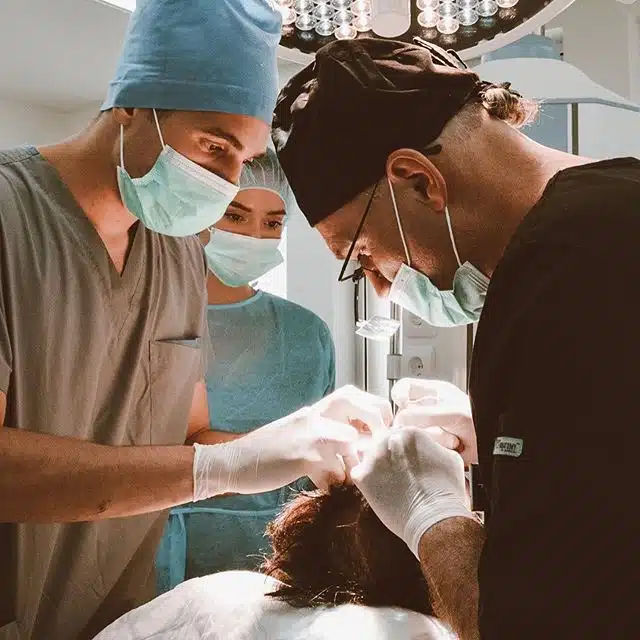
- Harvesting Donor Hair: Using FUE, FUT, or a combination, follicles are extracted carefully.
- Recipient Site Creation: Small incisions are made along the new hairline, considering the natural angle and direction of hair growth.
- Implantation: Follicular units are transplanted with precision to create a dense, natural-looking hairline.
- Postoperative Care: Guidelines for recovery, including medications and scalp maintenance.
Recovery and Aftercare: What to Expect
Post-surgery care is critical for the success of your transplant. Typical recovery insights include:
- Initial Healing: Mild redness, swelling, and scabbing around transplanted follicles within the first week.
- Hair Shedding Phase: Transplanted hairs may shed after 2-3 weeks; this is normal and precedes new growth.
- New Hair Growth: Noticeable hair growth usually begins within 3-4 months, continuing to improve up to a year.
- Follow-Up Visits: Regular check-ups with your surgeon to monitor progress and address any concerns.
Proper adherence to aftercare instructions ensures optimal results and minimizes complications.
Choosing the Right Clinic for Your Low Hairline Hair Transplant
Selecting a reputable and experienced clinic is paramount. Consider these factors:
- Expertise and Credentials: Verify the surgeon’s qualifications, experience, and specialization in low hairline transplants.
- Advanced Technology: Clinics using state-of-the-art equipment and techniques deliver superior outcomes.
- Patient Reviews and Before/After Photos: Assess real patient experiences and results.
- Comprehensive Consultation: The clinic should provide personalized treatment plans and transparent communication.
- Postoperative Support: Look for clinics offering thorough aftercare and follow-up services.
One excellent alternative is the Akaki Tsilosani Hair Transplant Institute, renowned for its skilled surgeons and innovative approaches. The institute conducts operations in diverse locations including Georgia, Ukraine, Czech Republic, Dubai, and more, offering flexibility and accessibility to patients worldwide.
Tips and Recommendations for a Successful Low Hairline Hair Transplant
Maximize your transplant’s success with these expert tips:
- Choose a Specialist: Prioritize surgeons with extensive experience in hairline lowering procedures.
- Set Realistic Expectations: Understand the limitations and achievable outcomes based on your unique hair characteristics.
- Maintain Healthy Lifestyle: Good nutrition, hydration, and avoiding smoking enhance healing.
- Follow Pre- and Postoperative Instructions: Adherence to guidelines reduces risks and improves results.
- Be Patient: Hair growth is gradual; full results may take up to 12 months.
- Protect Your Scalp: Avoid excessive sun exposure and harsh hair treatments during recovery.
Conclusion: Take the First Step Toward a New You
A low hairline hair transplant offers more than just hair restoration—it’s an opportunity to redefine your facial aesthetics and regain confidence. With advances in surgical techniques and expert clinics like the Akaki Tsilosani Hair Transplant Institute, achieving a natural, youthful hairline is more accessible than ever. If you’re considering this transformative procedure, consult with a trusted specialist to explore your options and begin your journey toward a refreshed look today.