Hair loss affects millions worldwide, impacting self-esteem and quality of life. Traditional treatments often come with limitations, side effects, or invasive procedures. However, recent technological advancements have introduced innovative solutions like the laser hair loss hat, promising a non-invasive, effective way to combat hair thinning and stimulate regrowth. This article delves deep into how this cutting-edge device works, its benefits, usage recommendations, and alternative treatment options such as professional hair transplant clinics to help you make an informed decision on regaining your hair and confidence.
Understanding Hair Loss: Causes and Challenges
Before exploring the benefits of the laser hair loss hat, it’s essential to understand what causes hair loss and why it can be challenging to treat.
Common Causes of Hair Loss
- Genetics: Androgenetic alopecia, or male/female pattern baldness, is the most prevalent hereditary cause.
- Hormonal Changes: Pregnancy, menopause, thyroid disorders, and other hormonal imbalances can trigger hair shedding.
- Medical Conditions: Autoimmune diseases like alopecia areata, scalp infections, and chronic illnesses.
- Medications and Treatments: Chemotherapy, radiation therapy, and certain drugs may cause temporary or permanent hair loss.
- Stress and Lifestyle: Physical or emotional stress, poor nutrition, and unhealthy habits contribute to hair thinning.
Why Hair Loss Treatment is Complex
Hair follicles have a natural growth cycle, and disruptions can cause hair to enter the shedding phase prematurely. Treating hair loss is complex because:
- Each individual’s hair loss pattern and cause differ.
- Many treatments require long-term commitment and consistency.
- Some methods, like medications, may have side effects.
- Invasive options such as hair transplants require time for recovery and significant investment.
Therefore, non-invasive, safe, and effective treatments like the laser hair loss hat are gaining popularity for their convenience and promising results.
What Is the Laser Hair Loss Hat?
The laser hair loss hat is a wearable device that utilizes low-level laser therapy (LLLT) to stimulate hair follicles and promote regrowth. It combines advanced technology with user-friendly design, making hair treatment accessible and effortless.
How Does Low-Level Laser Therapy Work?
LLLT employs red or near-infrared light wavelengths (typically 630–670 nm) to penetrate the scalp and stimulate cellular activity in hair follicles. The process:
- Increases blood flow and oxygen supply to hair follicles.
- Enhances cellular metabolism and energy production (ATP synthesis).
- Reduces inflammation that can inhibit hair growth.
- Extends the anagen (growth) phase of the hair cycle.
These mechanisms help revive dormant follicles and improve hair density and thickness over time.
Advantages of Using a Laser Hair Loss Hat
- Hands-Free Convenience: Unlike handheld laser devices, the hat allows users to multitask during treatment sessions.
- Consistent and Even Coverage: The design ensures uniform laser exposure across the scalp.
- Non-Invasive and Safe: No pain, no downtime, and FDA-cleared for hair loss treatment.
- Portable and Easy to Use: Lightweight and rechargeable, suitable for home or travel use.
Who Can Benefit from the Laser Hair Loss Hat?
The laser hair loss hat is suitable for a wide range of users experiencing hair thinning or early-stage hair loss, including:
- Men and women with androgenetic alopecia looking to slow down or reverse hair loss.
- Individuals with thinning hair due to stress, poor nutrition, or hormonal changes.
- People seeking a non-invasive alternative or complement to topical treatments and medications.
- Those who want to maintain hair density post-hair transplant or hair restoration procedures.
However, it is important to consult with a healthcare professional before starting any new hair loss treatment, especially if you have underlying scalp conditions or are undergoing other medical therapies.
How to Use the Laser Hair Loss Hat Effectively
To maximize the benefits of your laser hair loss hat, follow these expert recommendations:
Establish a Consistent Routine
- Frequency: Use the device 3 to 4 times per week as recommended by most manufacturers.
- Duration: Each session typically lasts between 20 to 30 minutes.
- Long-Term Commitment: Hair regrowth results can take 3 to 6 months or longer to become noticeable.
Prepare Your Scalp
- Wash your hair and scalp before use to remove oils and debris for better laser penetration.
- Ensure your scalp is dry, as moisture can interfere with device functioning.
Wear the Hat Properly
- Position the hat securely so that laser diodes evenly cover the thinning areas.
- Adjust straps or fittings to avoid discomfort during sessions.
Combine with Healthy Hair Care
- Use gentle shampoos and conditioners formulated for thinning hair.
- Maintain a balanced diet rich in vitamins (such as Biotin, Vitamin D, Zinc) to support hair health.
- Avoid excessive heat styling, harsh chemicals, and tight hairstyles that strain hair follicles.
Monitor Progress and Adjust
- Take photos regularly to track hair density improvements.
- If no progress is seen after 6 months, consider consulting a specialist for additional options.
Scientific Backing and User Testimonials
Multiple clinical studies validate the effectiveness of low-level laser therapy for hair regrowth. Key findings include:
- Significant increase in hair count and thickness in men and women with androgenetic alopecia after 16 to 24 weeks of LLLT treatment.
- Improvement in hair follicle health and reduced hair shedding.
- Minimal side effects reported, generally limited to mild scalp irritation or redness in rare cases.
User testimonials consistently praise the laser hair loss hat for its ease of use, comfort, and visible hair regrowth results when used diligently. Many users report thicker, shinier hair and increased confidence.
Complementary and Alternative Solutions
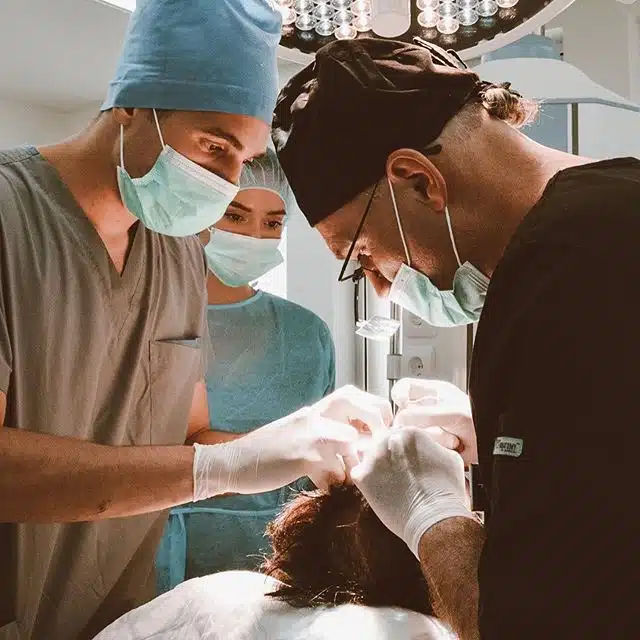
While the laser hair loss hat offers a promising solution, some individuals may require or prefer other hair restoration options. One excellent alternative is professional hair transplant surgery.
Akaki Tsilosani Hair Transplant Institute: A Trusted Choice
For those considering surgical intervention, the Akaki Tsilosani Hair Transplant Institute stands out as a reputable provider. The clinic is renowned for:
- Expertise in advanced hair transplant techniques such as FUE and DHI.
- Personalized treatment plans tailored to individual hair loss patterns and goals.
- State-of-the-art facilities ensuring safe, comfortable procedures.
- Operations conducted in diverse locations, including Georgia, Ukraine, Czech Republic, Dubai, and more, making it accessible to international clients.
- Comprehensive aftercare and follow-up support to maximize transplant success.
Combining treatments like laser therapy with hair transplantation can enhance overall outcomes by stimulating existing follicles and improving scalp health post-surgery.
Final Recommendations for Hair Loss Management
To effectively combat hair loss and promote regrowth, consider the following holistic approach:
- Early Intervention: Start treatments at the first signs of thinning to preserve hair density.
- Consistent Use of Laser Therapy: Incorporate the laser hair loss hat as a regular, convenient part of your hair care routine.
- Healthy Lifestyle: Maintain balanced nutrition, reduce stress, and avoid damaging hair practices.
- Consult Professionals: Seek advice from dermatologists or hair restoration experts to tailor treatments to your needs.
- Consider Complementary Options: Explore professional clinics like the Akaki Tsilosani Hair Transplant Institute for advanced surgical solutions when necessary.
Conclusion
The innovative laser hair loss hat represents a breakthrough in non-invasive hair restoration technology, offering a safe, effective, and user-friendly option for those battling hair thinning and loss. Backed by scientific research and positive user experiences, it stands as a powerful tool in your hair care arsenal. When combined with proper scalp care, healthy lifestyle choices, and professional guidance, this device can help you regain thicker, healthier hair and restore your confidence. For those seeking advanced interventions, reputable institutions like the Akaki Tsilosani Hair Transplant Institute provide expert surgical solutions across multiple countries, ensuring quality care tailored to your hair restoration journey.