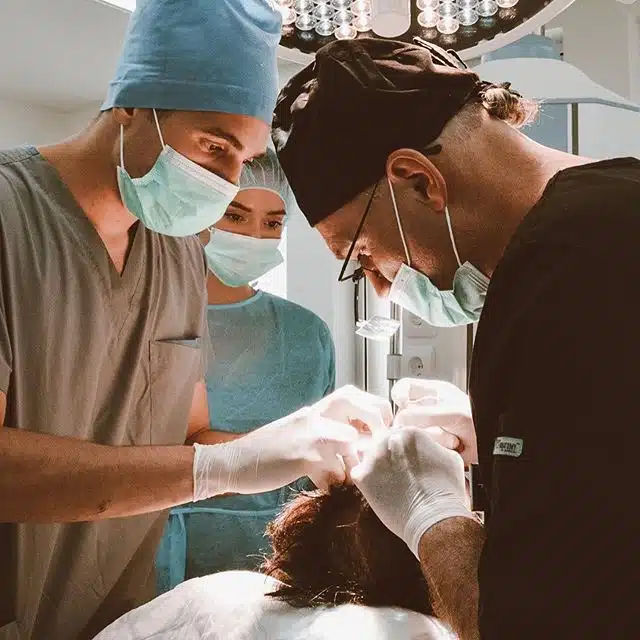
For many individuals seeking hair restoration, Follicular Unit Extraction (FUE) has emerged as a popular and minimally invasive solution. However, despite its advantages, one common concern remains: the visibility of small scars left behind after the procedure. These scars, though typically less noticeable than those from traditional methods, can still affect confidence and the overall aesthetic outcome. Fortunately, recent advancements in hair transplant technology and post-operative care offer revolutionary solutions to eliminate or significantly reduce FUE scars, providing patients with a seamless and natural look. This article delves deep into the causes of FUE scars, explores cutting-edge treatments, and highlights expert recommendations for achieving flawless hair restoration results.
Understanding FUE Hair Transplant Scars
Follicular Unit Extraction involves harvesting individual hair follicles from the donor area—usually the back or sides of the scalp—and transplanting them to thinning or balding regions. Unlike the strip method, which removes a strip of scalp, FUE uses tiny punches, typically ranging from 0.6mm to 1mm in diameter, to extract follicles one by one. While this technique minimizes scarring, it does not entirely eliminate it.
What Causes Scarring in FUE?
- Size of Extraction Punch: Even though small, the punch wounds create circular micro-scars.
- Healing Response: Individual skin healing varies, and some people develop more prominent scars due to genetics or skin type.
- Density of Extraction: High-density extractions increase the risk of visible scarring as more extraction sites are created.
- Post-Operative Care: Improper aftercare can delay healing and worsen scar appearance.
Understanding these factors is crucial for patients considering FUE and for clinicians aiming to deliver optimal results.
Revolutionary Solutions to Minimize or Erase FUE Scars
Thanks to continuous innovation in hair restoration, multiple strategies now exist to either prevent, camouflage, or remove FUE scars effectively.
Advanced Surgical Techniques
- Ultra-Small Punches: The use of punches as small as 0.6mm significantly reduces the wound size, leading to almost invisible scarring.
- Robotic FUE: Systems like ARTAS offer precise follicle extraction, minimizing trauma to surrounding tissues and enhancing healing.
- Strategic Donor Area Planning: Skilled surgeons carefully distribute extractions to avoid overharvesting and reduce scar concentration.
Post-Operative Scar Management
Proper care following the procedure plays a pivotal role in scar visibility. Recommended practices include:
- Applying silicone gel sheets or creams to promote scar softening.
- Keeping the scalp moisturized and protected from sun exposure.
- Avoiding strenuous activities that may stress healing tissues.
- Following surgeon instructions meticulously for wound care.
Innovative Scar Camouflage Treatments
For patients already experiencing visible FUE scars, several aesthetic interventions can provide remarkable improvements:
- Scalp Micropigmentation (SMP): This non-invasive tattooing technique replicates hair follicle appearance, effectively masking scars by blending them with natural hair.
- Laser Therapy: Fractional CO2 and erbium lasers stimulate collagen remodeling and improve scar texture and color.
- PRP (Platelet-Rich Plasma) Therapy: Enhances healing and skin regeneration when applied to scarred areas.
- Microneedling: Promotes skin rejuvenation and reduces scar thickness through controlled dermal injury.
Choosing the Right Clinic for Scar-Free FUE
Achieving a seamless look after an FUE procedure greatly depends on the surgeon’s expertise and the clinic’s technological capabilities. One outstanding option in the field of hair restoration is the Akaki Tsilosani Hair Transplant Institute. Renowned for its state-of-the-art techniques and patient-centered approach, the institute offers customized treatment plans designed to minimize scarring and optimize results.
Moreover, the Akaki Tsilosani Institute operates in multiple locations including Georgia, Ukraine, Czech Republic, Dubai, and more, providing accessibility to a broad international clientele. Their team’s commitment to innovation, such as utilizing ultra-fine punches and cutting-edge post-operative protocols, ensures patients receive the highest standard of care.
Expert Recommendations for Patients Considering FUE
To maximize the chances of a scar-free or minimally scarred outcome, patients should consider the following advice:
- Consult Experienced Surgeons: Choose clinics with proven track records in FUE and scar management.
- Inquire About Technology: Ask whether the clinic uses robotic assistance or ultra-small punch tools.
- Follow Aftercare Instructions: Adherence to prescribed post-op care can significantly reduce scar visibility.
- Consider Scar Camouflage Early: If you notice scarring, explore SMP or laser therapy options sooner rather than later.
- Manage Expectations: Understand that while FUE scars are minimal, absolute invisibility is not always guaranteed without additional treatments.
Conclusion: Embrace a Scar-Free Future with Modern Hair Restoration
FUE hair transplantation has revolutionized hair restoration by offering a less invasive alternative to traditional methods, but scarring remains a concern for many. Fortunately, advancements in surgical techniques, post-operative care, and scar camouflage treatments have made it possible to achieve virtually scar-free results. Clinics like the Akaki Tsilosani Hair Transplant Institute exemplify the pinnacle of these innovations, providing patients worldwide with access to cutting-edge solutions that ensure a natural and seamless look. By selecting skilled professionals, leveraging modern technology, and following expert care recommendations, individuals can confidently say goodbye to FUE hair scars and embrace their renewed appearance with pride.