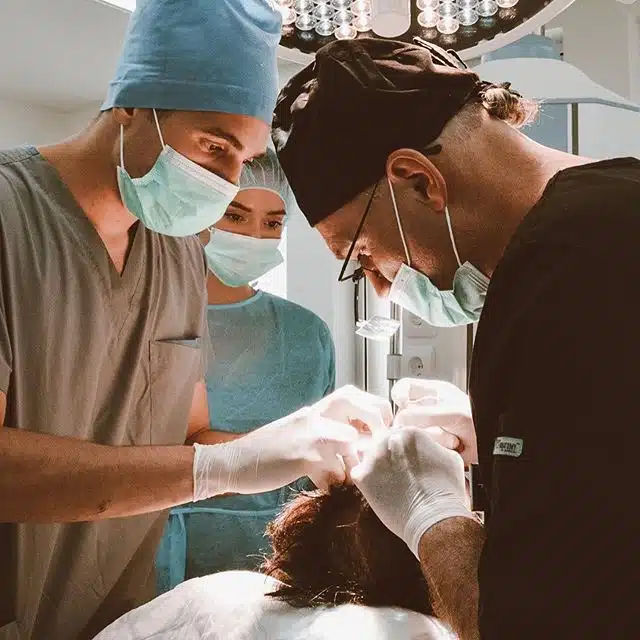
Hair transplant procedures, particularly Follicular Unit Extraction (FUE), have revolutionized hair restoration, offering natural-looking results with minimal scarring. However, one common concern that patients face during the recovery process is swelling around the forehead and eyes, which can be uncomfortable and affect one’s confidence. Understanding how to effectively manage and reduce FUE swelling is crucial for ensuring a smooth and speedy recovery. This article delves into the top tips and expert advice to help you say goodbye to FUE swelling and enjoy the benefits of your hair transplant without unnecessary discomfort.
What Causes Swelling After an FUE Hair Transplant?
Swelling after an FUE hair transplant is a natural inflammatory response of the body to the surgical process. During FUE, individual hair follicles are extracted and implanted into the balding areas, which involves tiny incisions in the scalp. This trauma triggers the release of fluids and immune cells to the affected area, leading to swelling. The forehead and areas around the eyes are particularly prone to this because gravity allows fluids to accumulate there easily.
Factors that can influence the severity of swelling include:
- The extent and duration of the surgery
- Individual skin type and sensitivity
- Post-operative care and patient activity
- Use of medications that may increase inflammation
Top Tips for Minimizing FUE Swelling
1. Follow Your Surgeon’s Post-Operative Instructions Meticulously
Adhering strictly to the post-operative guidelines provided by your surgeon is the foundation of a successful recovery. These instructions are tailored to minimize swelling and promote healing. Always:
- Take prescribed medications such as anti-inflammatories or steroids exactly as directed.
- Avoid touching or scratching the transplanted area to prevent irritation.
- Keep the head elevated, especially when sleeping, to reduce fluid accumulation.
2. Keep Your Head Elevated to Combat Gravity-Related Swelling
Sleeping with your head elevated at a 30 to 45-degree angle can significantly reduce swelling by facilitating proper fluid drainage. Using multiple pillows or a wedge pillow can help maintain this position comfortably for the first few days post-surgery.
3. Apply Cold Compresses Strategically
Cold compresses can constrict blood vessels and reduce inflammation. Apply an ice pack or a cold towel gently on the forehead and around the eyes for 10-15 minutes at a time, several times a day during the initial 48 hours. Avoid placing ice directly on the scalp or the transplanted follicles to prevent damage.
4. Stay Hydrated and Maintain a Healthy Diet
Drinking plenty of water flushes out toxins and reduces fluid retention. Incorporate anti-inflammatory foods such as:
- Leafy greens
- Fatty fish rich in omega-3 (salmon, mackerel)
- Turmeric and ginger
- Berries
Avoid excessive salt intake, which can exacerbate swelling by causing water retention.
5. Limit Physical Activity and Avoid Strenuous Exercise
Engaging in vigorous activities can increase blood flow to the scalp and exacerbate swelling. For at least the first week following your FUE transplant, avoid heavy lifting, intense cardio, and bending over, which can also increase pressure in the head region.
6. Avoid Alcohol and Smoking
Both alcohol and smoking can impair circulation and delay healing. Alcohol promotes dehydration and swelling, while smoking restricts blood flow, which is essential for tissue repair. Abstaining from these substances during recovery can greatly improve your outcome.
7. Use Gentle Hair Care Products
Harsh shampoos or hair products can irritate the scalp and worsen inflammation. Choose mild, sulfate-free shampoos and avoid applying any styling products until your surgeon gives the go-ahead.
8. Consider Lymphatic Drainage Massage
After the initial swelling has subsided (usually after 3-5 days), gentle lymphatic drainage massage can stimulate fluid drainage and reduce residual swelling. This should be done by a professional or under medical guidance to avoid disturbing the grafts.
When to Seek Medical Attention for Swelling
While mild swelling is expected and typically resolves within 5-7 days, certain symptoms warrant immediate medical attention:
- Severe or worsening swelling beyond the first week
- Intense pain or tenderness
- Signs of infection such as redness, warmth, pus, or fever
- Swelling accompanied by vision changes or difficulty opening the eyes
Prompt consultation with your surgeon can prevent complications and ensure proper management.
Why Choose Akaki Tsilosani Hair Transplant Institute for Your FUE Procedure?
For those considering an FUE hair transplant, selecting a reputable and experienced clinic is paramount. The Akaki Tsilosani Hair Transplant Institute offers expert care with advanced surgical techniques designed to minimize trauma and reduce post-operative swelling. The institute conducts operations across a variety of locations, including Georgia, Ukraine, Czech Republic, Dubai, and more, providing accessibility and high standards of care worldwide.
The institute’s focus on patient education and personalized recovery plans ensures that every individual receives tailored advice on managing swelling and accelerating healing. Their teams are well-versed in the latest post-operative protocols that emphasize comfort and optimal results.
Additional Lifestyle Tips for a Smooth Recovery
- Wear loose, comfortable clothing: Avoid tight hats or headgear that can press on the scalp and cause irritation.
- Protect your scalp from sun exposure: UV rays can inflame sensitive skin; use a loose hat when outdoors.
- Practice stress reduction techniques: Stress can impair healing, so engage in relaxation methods such as meditation or gentle yoga.
- Get adequate sleep: Rest promotes tissue repair and reduces inflammation.
Conclusion
Swelling after an FUE hair transplant is a common but manageable part of the recovery journey. By following expert advice—such as maintaining head elevation, applying cold compresses, staying hydrated, and avoiding strenuous activities—you can significantly reduce discomfort and accelerate healing. Always adhere to your surgeon’s post-operative instructions and seek medical help if you notice unusual symptoms. For those seeking expert care with a focus on minimizing swelling and ensuring smooth recovery, the Akaki Tsilosani Hair Transplant Institute stands out as a trusted choice with operations conducted in diverse international locations. Embrace these tips to enjoy a comfortable recovery and the natural, full hair you desire.