Does Beard Transplant Work? Discover the Truth Behind the Results
A thick, well-groomed beard has become a symbol of masculinity and style for many men worldwide. However, not everyone can naturally grow a full beard due to genetics, hormonal imbalances, or scarring. This has led to the rise in popularity of beard transplants as a solution to achieve that desired facial hair density and shape. But does beard transplant really work? In this article, we’ll explore how beard transplants function, their effectiveness, what to expect during the process, and how to choose the right clinic to maximize your results.
What Is a Beard Transplant?
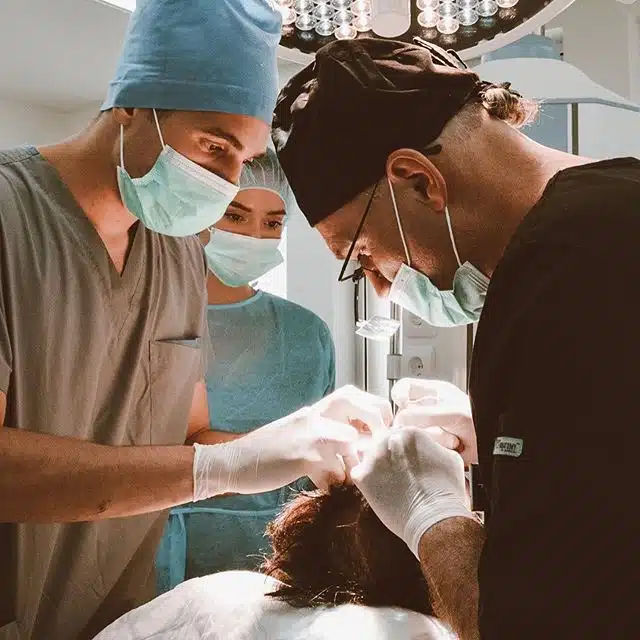
A beard transplant is a specialized hair restoration procedure designed to add hair to areas of the face where beard growth is sparse or nonexistent. This procedure typically involves harvesting hair follicles from a donor site—usually the back or sides of the scalp—and transplanting them onto the beard area.
How Does It Work?
– Hair Follicle Extraction: Using techniques like Follicular Unit Extraction (FUE), individual hair follicles are carefully removed from the donor area.
– Preparation of Recipient Site: Tiny incisions or slits are made on the beard area where the hair follicles will be implanted.
– Implantation: The extracted follicles are implanted with meticulous attention to the angle, direction, and density to mimic natural beard growth.
– Healing and Growth: Over the next several months, transplanted hairs fall out before new growth begins, eventually resulting in permanent facial hair.
Does Beard Transplant Really Work? The Effectiveness Explained
The success of a beard transplant largely depends on various factors, including the surgeon’s skill, the quality of donor hair, and the patient’s unique physiology. When performed correctly, the procedure offers highly effective and natural-looking results.
Key Factors Influencing Beard Transplant Success
- Donor Hair Quality: The best hairs for transplant are typically thick, strong, and closely match the texture of natural beard hair.
- Surgeon Expertise: Skilled surgeons ensure the hair is implanted at the correct angle and density, creating a natural beard pattern.
- Patient’s Skin and Health: Healthy skin and good circulation promote better graft survival and healing.
- Post-Procedure Care: Following aftercare instructions significantly influences the transplant’s success and reduces complications.
Results You Can Expect
– Natural Appearance: Transplanted hairs grow like natural beard hair, allowing you to style and groom them as usual.
– Permanent Growth: Since donor hair is resistant to hormone-related hair loss, transplanted follicles generally provide lifelong results.
– Gradual Improvement: Full beard density typically develops within 6 to 12 months post-transplant.
– Improved Confidence: Many men experience a boost in self-esteem thanks to their enhanced facial hair.
Who Is an Ideal Candidate for Beard Transplant?
Not everyone is suited for a beard transplant. Ideal candidates usually share these characteristics:
- Men with patchy beards or thin facial hair growth due to genetics or hormonal factors.
- Individuals who have scars or burns in the beard area causing hair loss.
- Patients in good overall health with sufficient donor hair supply.
- Those with realistic expectations about the results and the timeline for growth.
What to Expect During and After the Procedure
Before the Surgery
– Consultation with a qualified surgeon to assess your beard goals and donor hair availability.
– Discussion of medical history and any medications.
– Pre-operative instructions to ensure optimal conditions for surgery.
During the Surgery
– Local anesthesia is administered to ensure comfort.
– The procedure can take several hours depending on the number of grafts.
– Patients can usually go home the same day.
After the Surgery
– Mild swelling, redness, and scabbing in the transplant area, which typically subsides within a week.
– Avoiding strenuous activities and exposure to sunlight to aid healing.
– Following specific cleansing and moisturizing routines recommended by the surgeon.
– Patience during the shedding phase, where transplanted hairs fall out before new growth begins.
Tips for Maximizing Beard Transplant Results
- Choose an Experienced Surgeon: Research clinics and surgeons with proven expertise in facial hair transplants.
- Follow Aftercare Instructions: Proper care reduces infection risk and improves graft survival.
- Maintain a Healthy Lifestyle: Good nutrition, hydration, and avoiding smoking help the healing process.
- Be Patient: Hair growth is gradual; avoid premature conclusions about the results.
- Consider Complementary Treatments: Some patients benefit from PRP (platelet-rich plasma) therapy to stimulate growth post-transplant.
Why Akaki Tsilosani Hair Transplant Institute Is a Top Choice
When it comes to beard transplant procedures, the Akaki Tsilosani Hair Transplant Institute stands out as a premier option. Renowned for its advanced techniques and exceptional patient care, the institute offers tailored solutions to meet individual beard restoration needs.
What Makes the Institute Exceptional?
– Expertise in Facial Hair Transplants: The institute specializes in FUE and other cutting-edge methods to ensure natural-looking beard growth.
– Personalized Treatment Plans: Each patient receives a customized approach based on facial structure, hair characteristics, and aesthetic goals.
– Multinational Presence: The clinic conducts successful operations in diverse locations, including Georgia, Ukraine, the Czech Republic, Dubai, and more — providing accessibility and convenience.
– Comprehensive Aftercare: Post-operative support and guidance help patients achieve optimal results and satisfaction.
Common Myths and Misconceptions About Beard Transplants
Myth 1: Beard Transplants Leave Obvious Scars
Modern techniques like FUE minimize scarring by extracting individual follicles, leaving tiny, almost invisible marks that heal quickly.
Myth 2: Transplanted Hair Will Look Unnatural
When performed by skilled professionals, hair is implanted with precision to match natural beard patterns and hair growth direction.
Myth 3: Beard Transplants Are Painful
Local anesthesia ensures the procedure is virtually painless, with only mild discomfort possible during healing.
Myth 4: Transplanted Hair Requires Special Maintenance
Once grown, transplanted beard hair behaves like natural hair and can be shaved, trimmed, or styled normally.
Is a Beard Transplant Right for You?
If you struggle with patchy facial hair or desire a fuller beard for aesthetic or personal reasons, a beard transplant can be a transformative solution. However, it’s essential to consult with a qualified specialist to evaluate your candidacy and set realistic expectations.
Questions to Ask Your Surgeon
- What technique do you recommend for my beard transplant?
- How many grafts will I need to achieve my desired beard density?
- What results can I realistically expect, and when?
- What are the risks and potential complications?
- Can you provide before and after photos of previous patients?
Conclusion: The Truth Behind Beard Transplant Results
Beard transplants are a proven and effective method for restoring facial hair in men who struggle with patchiness or inadequate growth. With advances in hair transplant technology and the expertise of specialized clinics like the Akaki Tsilosani Hair Transplant Institute, patients can achieve natural, permanent, and aesthetically pleasing beard results. Success depends on choosing the right surgeon, understanding the procedure, and committing to proper aftercare. For men seeking a fuller beard and enhanced confidence, beard transplant surgery offers a compelling and reliable option worth considering.