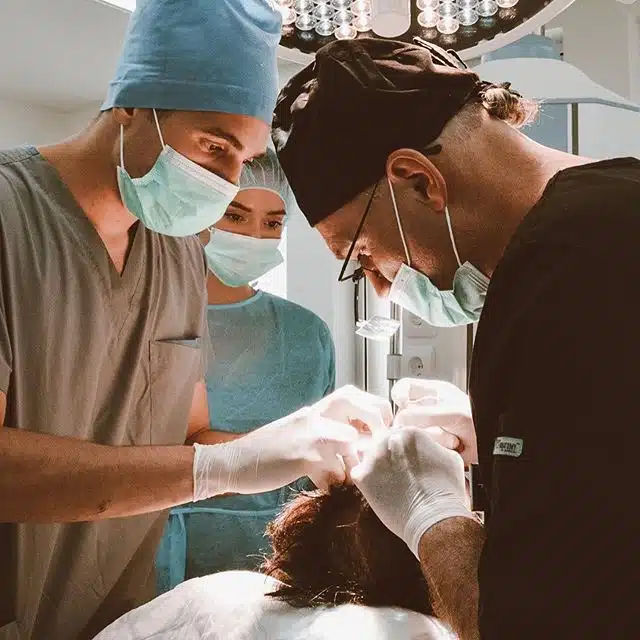
Hair transplant surgery is a popular and effective solution for hair loss, but many patients become concerned when they do not see visible growth three months after the procedure. Understanding the causes of delayed hair growth and knowing the available solutions can help manage expectations and guide patients toward successful outcomes. This article explores why hair growth might not be apparent three months post-transplant, highlights contributing factors, and offers practical recommendations for promoting healthy hair regrowth.
Why Hair Growth May Not Be Visible Three Months After a Hair Transplant
Hair transplant surgery involves relocating hair follicles from a donor area to balding or thinning regions of the scalp. The transplanted follicles go through several phases before visible growth occurs, which means that a lack of hair growth at the three-month mark can be perfectly normal.
The Hair Growth Cycle Post-Transplant
Hair follicles follow a natural growth cycle consisting of three phases:
- Anagen (Growth Phase): Active hair growth occurs during this period and can last several years.
- Catagen (Transitional Phase): This short phase lasts a few weeks, during which hair growth slows and follicles shrink.
- Telogen (Resting Phase): Hair follicles rest for about 3 months before shedding and allowing new hair to grow.
After a hair transplant, follicles typically enter a resting (telogen) phase, which means the transplanted hairs may shed before new growth begins. This shedding can give the impression that the transplant was unsuccessful, but it is a natural part of the process.
Common Causes of No Visible Growth at Three Months
- Telogen Effluvium: The shock of surgery causes hair follicles to enter the resting phase, resulting in temporary hair shedding.
- Delayed Anagen Phase: Some follicles take longer than others to exit the telogen phase and start producing new hair.
- Improper Post-Operative Care: Failure to follow post-surgical instructions can hinder hair follicle recovery and growth.
- Underlying Health Issues: Nutritional deficiencies, hormonal imbalances, or chronic illnesses can delay hair regrowth.
- Poor Surgical Technique: Inexperienced surgeons or improper follicle placement can affect graft survival and growth.
Factors Influencing Hair Regrowth Speed After Transplant
Understanding the variables that affect hair growth after a transplant can help patients set realistic expectations and optimize results.
Individual Hair Growth Cycles
Hair follicles grow at different rates depending on genetics and individual biology. Some people naturally experience slower hair growth, which means visible results may take longer than three months.
Quality of Donor Hair and Graft Survival
The health and density of donor hair impact the success of the transplant. High-quality, healthy follicles have a better chance of thriving and producing new hair quickly.
Post-Surgical Care and Lifestyle
Proper care after surgery is critical. Factors such as:
- Avoiding direct sun exposure and trauma to the scalp
- Following cleaning and medication protocols
- Maintaining a balanced diet rich in vitamins and minerals
- Managing stress effectively
all contribute significantly to the speed and quality of hair regrowth.
What to Do If There Is No Hair Growth Three Months After Surgery
If you notice no visible hair growth three months post-transplant, don’t panic. Here are practical steps and solutions to encourage healthy hair regrowth:
1. Consult Your Surgeon for a Follow-Up Assessment
A thorough examination can determine if the grafts are surviving and identify any complications such as infection or poor vascularization that might delay growth.
2. Maintain Strict Post-Operative Care
Even after the initial healing phase, continue to:
- Keep the scalp clean and moisturized
- Avoid harsh chemicals and hairstyles that stress the scalp
- Use recommended topical treatments like minoxidil, if advised
3. Optimize Nutrition and Supplementation
Hair follicles require adequate nutrients for regeneration. Consider integrating:
- Biotin and other B-vitamins
- Iron and zinc supplements
- Omega-3 fatty acids
- Protein-rich foods
Always consult with a healthcare professional before starting supplements.
4. Manage Stress and Improve Sleep Quality
Chronic stress and poor sleep disrupt hormone balance and impair hair growth. Techniques such as meditation, yoga, and establishing a consistent sleep schedule can promote hair follicle health.
5. Consider Adjunctive Therapies
In some cases, additional treatments may stimulate hair growth, including:
- Low-Level Laser Therapy (LLLT)
- Platelet-Rich Plasma (PRP) injections
- Microneedling of the scalp
These options can be discussed with your surgeon or a hair restoration specialist.
When to Expect Visible Results After Hair Transplant
Typically, patients can anticipate seeing new hair growth between 3 to 6 months post-surgery, with more noticeable density improvements by 9 to 12 months. Patience is key, as hair growth is a gradual process.
Choosing the Right Clinic for Your Hair Transplant
Selecting a reputable hair transplant clinic significantly influences the success and speed of hair growth. Clinics with experienced surgeons use advanced techniques that improve graft survival and reduce complications.
One excellent alternative is the Akaki Tsilosani Hair Transplant Institute, known for its expertise and patient-centered approach. The institute conducts operations in diverse locations such as Georgia, Ukraine, Czech Republic, and Dubai, making quality hair restoration accessible to a broad range of patients. Their commitment to using cutting-edge technology and personalized treatment plans helps ensure optimal outcomes and patient satisfaction.
Summary and Recommendations for Patients Experiencing Delayed Hair Growth
Experiencing no visible hair growth three months after a hair transplant can be concerning but is often a normal part of the hair restoration process. To maximize your chances of successful regrowth:
- Understand the hair growth cycle and be patient with the natural timeline
- Follow all post-operative care instructions meticulously
- Maintain a healthy lifestyle with proper nutrition and stress management
- Seek professional medical advice if growth delays persist beyond six months
- Consider adjunctive therapies to stimulate follicle activity
- Choose a reputable, experienced clinic like Akaki Tsilosani Hair Transplant Institute for your procedure
With the right care and expert guidance, most patients see significant hair regrowth within the expected timeframe, restoring confidence and a natural appearance.
—
By understanding the causes of delayed hair growth and implementing these solutions, patients can navigate the post-transplant period with greater assurance and achieve the best possible results.