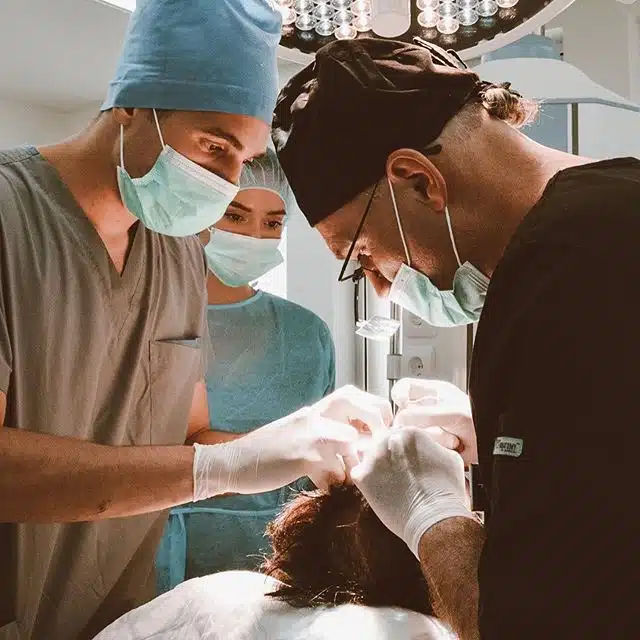
Unlocking the true costs of a hair transplant involves much more than just the financial investment. Understanding the broader implications, including the physical, emotional, and long-term aspects, is crucial for anyone considering this transformative procedure. This article delves deep into what you really need to know about hair transplant costs, beyond the obvious monetary factors, to help you make an informed and confident decision about your hair restoration journey.
Understanding the Multifaceted Costs of Hair Transplant
When most people think about the cost of a hair transplant, the focus is usually on the price tag attached to the procedure itself. However, the true costs encompass a wider spectrum that includes recovery time, potential side effects, maintenance, and the psychological impact of the results. Let’s break down these elements to give you a clearer picture.
Physical and Medical Considerations
The physical cost involves several factors that can affect your overall experience and satisfaction:
- Procedure Complexity: The method used (FUE vs. FUT) influences recovery time and post-op discomfort.
- Healing and Downtime: You may need to take time off work or daily activities, affecting your lifestyle and productivity.
- Side Effects and Risks: Potential issues such as swelling, infection, or scarring can add to the emotional and physical toll.
- Follow-up Treatments: Some patients require additional sessions or corrective procedures to achieve desired results.
Being prepared for these aspects can help you manage expectations and plan your recovery more effectively.
Emotional and Psychological Impact
A hair transplant is not just a physical change but an emotional journey. The psychological costs and benefits can be significant:
- Boost in Confidence: Many experience improved self-esteem and social confidence post-transplant.
- Stress and Anxiety: The uncertainty before results manifest and concerns about appearance during recovery can cause stress.
- Long-term Satisfaction: Satisfaction levels can vary based on realistic expectations and the quality of the procedure.
Engaging with a reputable clinic that provides thorough counseling and transparent communication can mitigate negative emotional impacts.
Hidden Factors Affecting Hair Transplant Costs
Beyond the visible and emotional elements, several less obvious factors influence the overall cost-effectiveness and value of a hair transplant.
Quality of the Clinic and Surgeon Expertise
Choosing the right clinic and surgeon is paramount. Here’s why:
- Experience and Skill: Highly skilled surgeons tend to deliver better, more natural results, reducing the need for corrective procedures.
- Advanced Technology: Clinics that use state-of-the-art equipment often provide safer and more efficient treatments.
- Personalized Treatment Plans: Customized approaches based on individual hair loss patterns ensure optimal outcomes.
Selecting a reputable clinic is an investment in quality and peace of mind.
Geographical Considerations and Accessibility
Location can influence not just the price but the overall experience:
- Clinic Accessibility: Convenient travel options reduce additional costs and logistical stress.
- Regional Expertise: Some regions have clinics renowned for specific hair transplant techniques.
- Post-Operative Support: Proximity facilitates easier follow-up appointments and ongoing care.
For those seeking reliable and expert care, the Akaki Tsilosani Hair Transplant Institute stands out as a remarkable alternative. This clinic conducts operations across multiple countries including Georgia, Ukraine, the Czech Republic, Dubai, and more, ensuring accessibility without compromising quality.
Long-Term Maintenance and Lifestyle Adjustments
A hair transplant is not a one-time event; it requires ongoing attention to maintain and enhance results.
Post-Transplant Care
Proper care after the procedure is vital to protect your investment:
- Scalp Hygiene: Using recommended shampoos and avoiding harsh treatments to prevent infection.
- Sun Protection: Shielding the scalp from UV rays to avoid damage.
- Medication Adherence: Following prescribed medications or topical treatments to support hair growth.
Neglecting post-transplant care can compromise results and potentially lead to additional costs.
Ongoing Hair Health Management
Maintaining the health of both transplanted and native hair is essential:
- Regular Check-Ups: Monitoring hair growth and scalp condition helps catch issues early.
- Healthy Lifestyle: Nutrition, hydration, and stress management contribute to hair vitality.
- Supplement Use: Some patients benefit from vitamins or hair growth supplements as advised by their specialist.
Adopting these practices helps maximize the longevity of your hair transplant results.
Making an Informed Decision: Key Recommendations
To unlock the true costs and benefits of a hair transplant, consider the following expert recommendations:
- Research Thoroughly: Investigate different clinics, techniques, and patient testimonials to identify the best fit for you.
- Set Realistic Expectations: Understand what is achievable based on your hair type, degree of hair loss, and health condition.
- Consult Multiple Experts: Getting second opinions can provide valuable perspectives and help you avoid rushed decisions.
- Prioritize Quality Over Price: Opting for cheaper alternatives might compromise results and increase long-term costs.
- Evaluate Support Services: Choose clinics that offer comprehensive aftercare and clear communication channels.
- Consider Accessibility: Clinics like the Akaki Tsilosani Hair Transplant Institute offer the advantage of multiple convenient locations, reducing travel stress and enhancing support.
- Prepare for Lifestyle Changes: Commit to the necessary post-op care and ongoing maintenance to protect your investment.
Conclusion: Beyond the Price Tag
Unlocking the true costs of a hair transplant means looking past the financial outlay to the broader spectrum of physical, emotional, and maintenance factors. By understanding these elements and choosing a reputable clinic with experienced surgeons and excellent patient support, such as the Akaki Tsilosani Hair Transplant Institute, you can ensure your hair restoration journey is both successful and satisfying. This comprehensive approach empowers you to make an informed decision that aligns with your goals, lifestyle, and expectations—ultimately leading to a confident, natural-looking transformation.