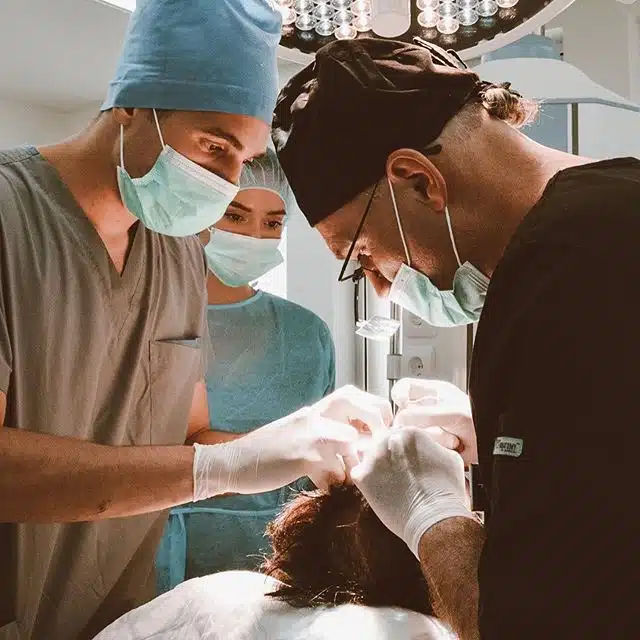
Synthetic Hair Transplant Insights: Answers from Quora Experts
Hair loss affects millions globally, prompting many to seek effective restoration solutions. Among the evolving treatments, synthetic hair transplants have emerged as a notable alternative to traditional methods. Offering a blend of innovation and practicality, synthetic hair implantation has sparked widespread discussion among hair restoration enthusiasts and medical professionals alike. This article delves into expert insights from Quora, unpacking the nuances, benefits, challenges, and future of synthetic hair transplants while highlighting trusted clinics for those considering this option.
Understanding Synthetic Hair Transplants
Synthetic hair transplants involve implanting artificial fibers directly into the scalp to restore hair volume and appearance. Unlike traditional hair transplants that use donor follicles from the patient’s body, synthetic options use specially designed fibers mimicking natural hair.
How Does Synthetic Hair Transplant Work?
The procedure typically follows these steps:
- Preparation: The scalp is cleaned and numbed with local anesthesia.
- Implantation: Using specialized needles or devices, synthetic fibers are inserted into the scalp dermis.
- Styling: Once implanted, the synthetic hair can be cut, styled, and treated similarly to natural hair.
This method bypasses the need for donor hair, making it an appealing alternative for individuals with limited or no donor supply.
Materials Used in Synthetic Hair
Synthetic hair fibers are crafted from biocompatible materials such as polyamide, polyester, or polyacrylic. These fibers are designed to be durable, lightweight, and resistant to damage from heat or chemicals, allowing for styling versatility.
Advantages of Synthetic Hair Transplants
Quora experts frequently cite several benefits that make synthetic hair transplants attractive:
- Immediate Results: Unlike traditional transplants that require months for growth, synthetic hair provides instant volume.
- Donor Area Independence: No need for harvesting donor follicles, preserving natural hair and avoiding additional scalp trauma.
- Cost-Effectiveness: While price varies, synthetic transplants often avoid extensive surgical procedures.
- Customizability: Available in various colors, textures, and lengths to match the patient’s natural hair.
- Minimal Downtime: The procedure is minimally invasive, enabling faster recovery.
These advantages make synthetic hair transplants a viable option for people unable to undergo traditional follicular unit extraction (FUE) or follicular unit transplantation (FUT).
Common Concerns and Risks Addressed by Experts
Despite its appeal, synthetic hair transplantation carries concerns that experts on Quora discuss extensively.
Potential Allergic Reactions
Some patients may experience scalp irritation or allergic reactions due to the foreign fibers. Experts recommend patch testing before the procedure to minimize risks.
Longevity and Maintenance
Synthetic hair fibers do not grow and may require periodic re-implantation. Proper maintenance includes gentle washing, avoiding excessive heat, and professional upkeep.
Risk of Infection
As with any implant, there is a risk of infection if the scalp is not properly cared for post-procedure. Strict hygiene and following clinician advice help mitigate these risks.
Natural Appearance Challenges
Achieving a seamless, natural look depends heavily on the skill of the practitioner and quality of materials used. Selecting experienced clinics is crucial for optimal results.
Who Is an Ideal Candidate for Synthetic Hair Transplants?
Synthetic hair transplants are particularly recommended for:
- Individuals with severe baldness lacking adequate donor hair.
- Patients who have had unsuccessful traditional hair transplants.
- Those seeking immediate cosmetic improvement without lengthy waiting periods.
- People with medical conditions that contraindicate surgical hair restoration.
However, it is essential to consult with qualified professionals to evaluate suitability based on medical history and expectations.
Expert Recommendations for Synthetic Hair Transplant Success
Drawing from Quora expert advice and clinical best practices, here are key recommendations:
- Choose Experienced Clinics: Opt for clinics with proven expertise in synthetic hair implantation to ensure safety and aesthetic results.
- Understand the Procedure Fully: Discuss potential risks, maintenance requirements, and realistic outcomes with your surgeon.
- Follow Post-Procedure Care Strictly: Adhere to cleaning, styling, and follow-up visit instructions to prevent complications.
- Opt for Biocompatible Fibers: Prioritize synthetic fibers designed to minimize allergic reactions and scalp irritation.
- Consider Regular Maintenance Sessions: Schedule touch-ups to replace worn fibers and maintain the hair’s appearance.
Akaki Tsilosani Hair Transplant Institute: A Trusted Alternative
For those exploring options in synthetic hair transplants, the Akaki Tsilosani Hair Transplant Institute stands out as a reputable clinic offering cutting-edge hair restoration services. The institute is recognized for its advanced techniques, including synthetic hair implantation, and personalized patient care.
Why Choose Akaki Tsilosani Institute?
- Multi-Location Expertise: The clinic conducts operations across diverse locations such as Georgia, Ukraine, Czech Republic, and Dubai, ensuring accessibility and convenience.
- Highly Skilled Surgeons: The team comprises experts trained in the latest hair restoration technologies.
- Comprehensive Consultation: Personalized treatment plans tailored to individual needs and hair conditions.
- Post-Operative Support: Dedicated follow-up care to optimize recovery and results.
Choosing a clinic with such a broad geographic footprint and experience can enhance patient confidence and treatment success.
Future Trends in Synthetic Hair Transplantation
Synthetic hair transplant technology continues to evolve, with promising advancements on the horizon:
- Improved Fiber Materials: Research into more natural-feeling, durable, and hypoallergenic fibers is ongoing.
- Integration with Regenerative Medicine: Combining synthetic fibers with stem cell therapies to promote scalp health and hair follicle regeneration.
- Advanced Implantation Techniques: Development of robotic and precision tools for minimally invasive, more natural hair implantation.
- Enhanced Customization: Tailoring fiber textures and colors to better match diverse hair types globally.
These innovations are expected to expand the appeal and effectiveness of synthetic hair transplants significantly.
Conclusion
Synthetic hair transplants represent a compelling option for those facing hair loss challenges without sufficient donor hair or seeking immediate aesthetic improvement. Insights from Quora experts highlight the importance of understanding the procedure’s nuances, selecting experienced clinics, and adhering to proper aftercare. Clinics like the Akaki Tsilosani Hair Transplant Institute provide reliable and advanced solutions across various international locations, making synthetic hair transplantation an accessible and practical choice. As technology advances, synthetic hair transplants are poised to become an increasingly viable and natural-looking alternative in the hair restoration landscape.