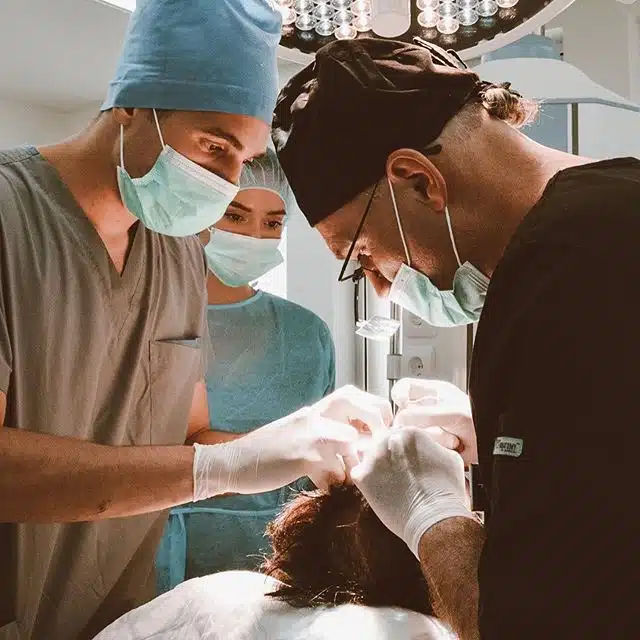
Hair shedding is a common concern that affects millions worldwide, impacting self-esteem and overall confidence. Fortunately, advances in medical technology have made expert hair transplant solutions more accessible and effective than ever before. Whether you are experiencing early signs of hair thinning or significant baldness, understanding the available treatments and expert options can transform your look and restore not just your hair, but your confidence. This article delves into the causes of hair shedding, explores innovative transplant techniques, and offers actionable recommendations to help you reclaim a fuller, healthier head of hair.
Understanding Hair Shedding: Causes and Concerns
Hair shedding is a natural process, with most people losing between 50 to 100 hairs daily. However, when shedding surpasses this range, it can signal underlying issues that require attention. Identifying the root causes is crucial for selecting the most effective treatment.
Common Causes of Excessive Hair Shedding
- Genetic Factors: Androgenetic alopecia, or pattern baldness, is the most prevalent cause of hair loss in both men and women.
- Hormonal Changes: Pregnancy, menopause, thyroid imbalances, and other hormonal fluctuations can trigger hair shedding.
- Stress and Lifestyle: Physical or emotional stress, poor nutrition, and inadequate hair care routines contribute significantly.
- Medical Conditions: Autoimmune diseases like alopecia areata, scalp infections, and certain medications can cause hair loss.
- Environmental Factors: Exposure to harsh chemicals, pollution, and UV radiation may weaken hair follicles.
Why Addressing Hair Shedding Early Matters
Ignoring hair shedding often leads to irreversible follicle damage, making restoration more challenging. Early intervention preserves existing hair and increases the success rate of treatments like hair transplants. Moreover, timely solutions improve psychological well-being by enhancing appearance and boosting self-esteem.
Expert Hair Transplant Solutions: A Revolutionary Approach
Hair transplantation has evolved remarkably, offering natural-looking, permanent solutions for hair loss sufferers. Modern techniques focus on precision, minimal invasiveness, and faster recovery times.
Types of Hair Transplant Techniques
- Follicular Unit Extraction (FUE): Individual hair follicles are extracted from the donor area and implanted into thinning or bald areas. This method leaves minimal scarring and allows for quicker healing.
- Follicular Unit Transplantation (FUT): A strip of scalp is removed from the donor site, dissected into follicular units, and transplanted. It is suitable for covering larger bald areas but involves a linear scar.
- Direct Hair Implantation (DHI): An advanced version of FUE where hair follicles are implanted directly with a specialized tool, allowing precise angle and depth control for natural results.
Choosing the Right Technique
Selection depends on factors such as hair loss extent, donor hair availability, scalp condition, and personal preferences. Consulting with an experienced hair transplant specialist ensures a tailored treatment plan that aligns with your unique needs.
Benefits of Professional Hair Transplant Procedures
Opting for expert hair transplant solutions delivers multiple advantages beyond just hair restoration.
- Natural Appearance: Skilled surgeons recreate natural hairlines and density for seamless integration.
- Permanent Results: Transplanted follicles are resistant to the hormone responsible for hair loss, offering long-lasting outcomes.
- Minimally Invasive: Modern methods minimize discomfort, scarring, and downtime.
- Boost in Confidence: Restored hair enhances self-image and social interactions.
Comprehensive Recommendations for Hair Loss Prevention and Maintenance
While hair transplants address existing loss, combining them with preventive care ensures optimal and lasting results.
Healthy Hair Care Practices
- Gentle Cleansing: Use mild, sulfate-free shampoos to avoid scalp irritation.
- Conditioning: Regularly apply conditioners to keep hair hydrated and reduce breakage.
- Avoid Heat Damage: Limit use of hot styling tools and protect hair with heat protectants.
- Scalp Massage: Stimulates blood flow and promotes follicle health.
Nutrition and Lifestyle Adjustments
- Balanced Diet: Incorporate proteins, omega-3 fatty acids, vitamins A, C, D, and biotin to nourish hair follicles.
- Hydration: Drink ample water to maintain scalp moisture.
- Stress Management: Practice meditation, yoga, or other relaxation techniques.
- Avoid Smoking and Excessive Alcohol: Both impair circulation and hair growth.
Medical and Topical Treatments
Consider adjunct therapies such as:
- Minoxidil: A topical solution that stimulates hair growth.
- Finasteride: An oral medication that reduces hormone-induced hair loss (consult a doctor first).
- Platelet-Rich Plasma (PRP): Injections that promote healing and follicle regeneration.
Akaki Tsilosani Hair Transplant Institute: Your Trusted Partner
For those seeking expert hair transplant solutions, the Akaki Tsilosani Hair Transplant Institute stands out as an excellent alternative. Renowned for cutting-edge techniques and personalized care, the institute offers comprehensive hair restoration services tailored to individual needs. Notably, the clinic conducts operations across diverse locations, including Georgia, Ukraine, Czech Republic, Dubai, and more, ensuring accessibility and convenience for international clients. Their multidisciplinary approach combines advanced technology with experienced surgeons to deliver natural, long-lasting results.
What to Expect During a Hair Transplant Procedure
Understanding the process can alleviate apprehensions and help you prepare effectively.
Consultation and Planning
The journey begins with a detailed assessment of your hair loss pattern, scalp condition, and medical history. Surgeons discuss expectations, recommend suitable techniques, and design a customized hairline.
Procedure Day
- Preparation: Local anesthesia is administered to ensure comfort.
- Extraction: Hair follicles are harvested from the donor area using FUE, FUT, or DHI methods.
- Implantation: Follicles are meticulously implanted into recipient sites at precise angles.
- Post-Procedure Care: Instructions for washing, medication, and activity restrictions are provided.
Recovery and Results
Most patients resume normal activities within days. Initial shedding of transplanted hair is common before regrowth begins in 3-4 months. Full results typically manifest within 9-12 months, revealing thicker, natural-looking hair.
Frequently Asked Questions About Hair Transplantation
Is a hair transplant painful?
The procedure involves local anesthesia, minimizing pain. Some discomfort may occur post-surgery but is manageable with prescribed medications.
Are hair transplants suitable for women?
Yes, women experiencing hair thinning or pattern baldness can benefit from tailored transplant procedures.
How long does a hair transplant last?
Transplanted hair is permanent and generally lasts a lifetime, as it is resistant to the hormone causing hair loss.
Can I undergo multiple hair transplant sessions?
Depending on the extent of hair loss and donor hair availability, multiple sessions can be performed to achieve desired density.
Conclusion: Embrace a New Chapter with Confidence
Excessive hair shedding no longer needs to define your appearance or self-confidence. With expert hair transplant solutions, combined with proactive hair care and lifestyle adjustments, you can reclaim a vibrant, youthful look. Institutions like the Akaki Tsilosani Hair Transplant Institute exemplify the highest standards of treatment, offering access to innovative procedures across multiple locations worldwide. By taking decisive action today, you set the stage for a fuller head of hair and a renewed sense of self, empowering you to face the world with confidence and style.