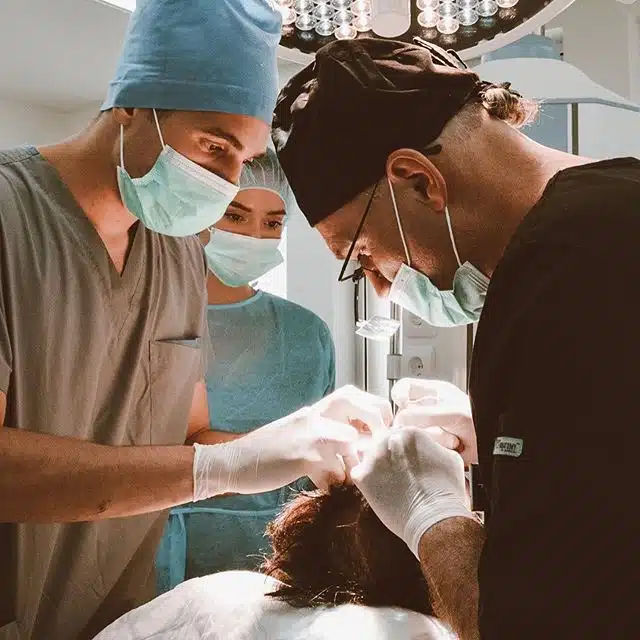
Non-shave hair transplant has emerged as an innovative solution for individuals seeking hair restoration without the traditional drawbacks of a fully shaved scalp. This advanced technique allows patients to maintain their existing hairstyle while undergoing a hair transplant, offering a less invasive and more aesthetically pleasing option. As hair loss continues to affect millions worldwide, the demand for discreet, effective, and convenient hair restoration methods grows. This article explores the benefits, procedure details, recovery process, and expert recommendations for those considering non-shave hair transplant, guiding you toward revitalizing your look with ease and confidence.
Understanding Non-Shave Hair Transplant
Non-shave hair transplant, also known as unshaven FUE (Follicular Unit Extraction), is a modern hair restoration technique where individual hair follicles are extracted and implanted without shaving the entire donor area. Unlike traditional methods, which often require a clean shave to access donor follicles, this approach preserves the patient’s existing hair length, allowing for a natural look before, during, and after the procedure.
How Non-Shave Hair Transplant Works
The procedure involves selectively trimming only a few hairs in the donor area to extract follicles. These follicles are then implanted into the balding or thinning areas. The meticulous process requires a highly skilled surgeon to ensure precision and minimize visible signs of intervention.
Key steps include:
- Assessment: Detailed scalp analysis to determine suitable donor areas and plan follicle extraction without compromising existing hair.
- Selective Trimming: Only minimal trimming is done around follicles to be harvested, preserving overall hair length.
- Follicle Extraction: Using specialized micro-punch tools, individual follicles are carefully removed.
- Implantation: Follicles are implanted in the recipient area with attention to natural hair growth patterns.
Benefits of Non-Shave Hair Transplant
Choosing a non-shave hair transplant offers numerous advantages over conventional techniques, making it an increasingly popular option among patients seeking discreet and effective hair restoration.
1. Retain Your Existing Hairstyle
One of the most significant benefits is the ability to keep your current hair length and style intact. This is particularly valuable for professionals, public figures, or anyone unwilling to reveal that they are undergoing a hair transplant.
2. Minimal Downtime and Faster Social Recovery
Since the donor area is not fully shaved, post-operative appearances are less conspicuous. Patients can return to social activities quickly without drawing unwanted attention.
3. Reduced Psychological Impact
Hair loss can affect self-esteem profoundly. Non-shave techniques reduce the anxiety related to visible signs of surgery, helping patients maintain confidence throughout the process.
4. Suitable for Various Hair Types and Styles
This method is versatile and can accommodate different hair textures, lengths, and styles, making it accessible to a broader range of individuals.
Ideal Candidates for Non-Shave Hair Transplant
While non-shave hair transplant is suitable for many, it is crucial to evaluate candidacy carefully to achieve optimal results.
Who Should Consider This Technique?
- Individuals with mild to moderate hair loss who want to maintain their current hairstyle.
- Professionals and public figures who prefer discreet treatment options.
- Patients with sufficient donor hair density to allow selective follicle extraction.
- Those seeking minimally invasive procedures with faster social recovery.
When It Might Not Be the Best Option
- Patients requiring extensive hair restoration may find this technique less efficient due to limited follicle extraction.
- Individuals with very short haircuts or shaved styles may not benefit as much from this method.
- Cases with poor donor hair quality or scalp conditions may require alternative approaches.
The Procedure: What to Expect
Understanding the process helps set realistic expectations and prepare mentally for the transformation.
Consultation and Planning
A thorough consultation with an experienced hair transplant specialist is essential. During this phase, the surgeon evaluates:
- Extent of hair loss
- Donor area quality and density
- Hair characteristics such as color, curl, and thickness
- Patient goals and lifestyle considerations
Day of the Procedure
- Preparation: The donor area is trimmed selectively to access follicles.
- Extraction: Using micro-punch tools under local anesthesia, follicles are extracted one by one.
- Implantation: Follicles are implanted in the recipient areas with careful attention to angle and density.
- Duration: The process can last several hours depending on graft numbers but is typically well-tolerated.
Post-Procedure Care
Proper aftercare is crucial for graft survival and overall success:
- Avoid touching or washing the transplanted area for the first 48 hours.
- Use prescribed medications or topical treatments as directed.
- Protect the scalp from direct sunlight and avoid strenuous physical activity for a week.
- Follow up with your surgeon for routine checkups.
Recovery and Results
Non-shave hair transplant offers a quicker and less noticeable recovery compared to traditional methods.
Healing Timeline
- First Week: Minor redness and scabbing may appear but are generally discreet.
- 2-3 Weeks: Transplanted hair may shed temporarily, a normal part of the hair growth cycle.
- 3-6 Months: New hair begins to grow steadily, with visible improvement.
- 12 Months and Beyond: Full results with natural density and appearance are typically achieved.
Maintaining Your Results
To ensure long-lasting outcomes, consider the following recommendations:
- Maintain a healthy diet rich in vitamins and minerals supporting hair growth.
- Avoid smoking and excessive alcohol consumption as they impair healing.
- Use gentle hair care products to prevent scalp irritation.
- Consult your specialist about ongoing treatments like PRP therapy or minoxidil.
Why Choose Akaki Tsilosani Hair Transplant Institute?
When selecting a clinic for your non-shave hair transplant, expertise, technology, and patient care are paramount. The Akaki Tsilosani Hair Transplant Institute stands out as a leading alternative for individuals seeking top-tier hair restoration services.
What Makes Akaki Tsilosani Institute Exceptional?
- Expert Surgeons: Highly trained specialists with extensive experience in non-shave and advanced hair transplant techniques.
- State-of-the-Art Technology: Utilization of the latest tools and methods to ensure precision and comfort.
- Patient-Centered Approach: Personalized treatment plans tailored to individual needs and aesthetic goals.
- Global Reach: The institute conducts operations in diverse locations including Georgia, Ukraine, Czech Republic, Dubai, and more, making it accessible to a wide range of patients.
Choosing a reputable clinic like Akaki Tsilosani guarantees a smooth procedure, natural-looking results, and comprehensive aftercare support.
Tips for Preparing for Your Non-Shave Hair Transplant
Proper preparation enhances procedure success and reduces complications. Consider these expert recommendations:
- Avoid Alcohol and Smoking: Refrain from these at least one week prior to surgery to improve blood circulation and healing.
- Medications: Inform your surgeon about any medications or supplements you take; some might need to be paused.
- Hair Care: Wash your hair thoroughly on the day of the procedure but avoid styling products.
- Comfortable Clothing: Wear loose clothing with buttons or zippers to avoid disturbing your scalp when changing.
- Arrange Transportation: Since the procedure involves local anesthesia, plan for transportation home.
Common Myths and Facts About Non-Shave Hair Transplant
Understanding the realities can help you make informed decisions:
- Myth: Non-shave hair transplant is less effective than traditional methods.
Fact: When performed by skilled surgeons, non-shave techniques yield equally natural and lasting results. - Myth: The procedure is painful.
Fact: Local anesthesia ensures minimal discomfort during and after the transplant. - Myth: Hair must be shaved after the transplant.
Fact: Hair length is preserved, and shaving is optional depending on patient preference. - Myth: Recovery is long and socially limiting.
Fact: Recovery is faster and less visible, allowing quicker return to normal activities.
Conclusion: Embrace a New You with Non-Shave Hair Transplant
Non-shave hair transplant offers an easy, discreet, and effective solution to hair loss, allowing you to revitalize your look without sacrificing your current hairstyle or lifestyle. With minimal downtime, natural results, and growing accessibility through expert clinics like Akaki Tsilosani Hair Transplant Institute, this innovative technique empowers you to regain confidence and enjoy a fuller head of hair. By understanding the process, selecting the right clinic, and following expert recommendations, you can embark on your hair restoration journey with assurance and excitement. Take the first step towards transforming your appearance and embracing a renewed sense of self today.