Revitalizing a receding hairline can transform your appearance and boost your confidence. Hair loss, especially around the hairline, is a common concern for many individuals due to genetics, stress, aging, or lifestyle factors. Fortunately, there are numerous natural methods to encourage hair regrowth and strengthen existing strands without resorting immediately to surgical options. This article explores effective, scientifically-backed natural strategies to help you grow your hairline back, improve scalp health, and maintain luscious, healthy hair over the long term.
Understanding Hairline Recession and Hair Loss Causes
Hairline recession occurs when the hair along the forehead and temples starts thinning and moving backward, often creating a widow’s peak or more pronounced forehead. It can be a sign of androgenetic alopecia (pattern baldness), but other factors also contribute:
- Genetics: Family history is the most significant predictor of hairline recession.
- Hormonal Changes: Dihydrotestosterone (DHT), a derivative of testosterone, affects hair follicles and can cause miniaturization.
- Stress and Lifestyle: Chronic stress, poor diet, and lack of sleep impact hair growth cycles negatively.
- Scalp Health: Conditions like dandruff, fungal infections, or clogged follicles hinder hair growth.
- Environmental Factors: Exposure to pollution, harsh chemicals, and UV rays can damage hair follicles.
By identifying the root causes, you can tailor natural treatments to support hair regrowth and prevent further recession.
Nutrition and Diet: The Foundation of Healthy Hair Growth
A well-balanced diet rich in essential nutrients is crucial for hair follicle function and the regeneration of hair strands. Hair follicles require adequate nourishment to enter and sustain the anagen (growth) phase.
Key Nutrients for Hairline Restoration
- Protein: Hair is primarily composed of keratin, a protein that needs consistent intake from sources such as lean meats, eggs, legumes, and nuts.
- Iron: Iron deficiency anemia often leads to hair thinning. Include spinach, red meat, and fortified cereals.
- Vitamin C: Enhances iron absorption and supports collagen production; found in citrus fruits, berries, and peppers.
- Biotin (Vitamin B7): Supports keratin infrastructure; present in eggs, almonds, and sweet potatoes.
- Omega-3 Fatty Acids: Nourish hair follicles and reduce inflammation. Sources include fatty fish, flaxseeds, and walnuts.
- Zinc: Essential for hair tissue growth and repair. Rich in pumpkin seeds, chickpeas, and oysters.
Dietary Tips for Hairline Growth
- Incorporate a variety of colorful fruits and vegetables to supply antioxidants that protect follicles.
- Stay hydrated to maintain scalp moisture and follicle health.
- Limit processed foods and excessive sugars that may exacerbate inflammation and hormonal imbalances.
Natural Topical Treatments to Stimulate Hairline Growth
Applying natural remedies directly to the scalp can invigorate hair follicles, improve circulation, and reduce DHT buildup responsible for follicle shrinkage.
Essential Oils
Certain essential oils have demonstrated efficacy in promoting hair growth:
- Rosemary Oil: Studies show rosemary oil may increase hair count by stimulating blood circulation.
- Peppermint Oil: Known for its cooling effect and ability to increase follicle depth and density.
- Lavender Oil: Exhibits antimicrobial properties and promotes hair growth in animal studies.
How to Use: Dilute essential oils with a carrier oil like jojoba or coconut oil and massage into the hairline area 2-3 times per week to enhance absorption and stimulate follicles.
Aloe Vera
Aloe vera soothes inflammation and unclogs hair follicles blocked by excess sebum or dandruff. Applying fresh aloe gel directly to the scalp can reduce irritation and create an optimal environment for hair regrowth.
Onion Juice
Rich in sulfur, onion juice is believed to boost collagen production and improve blood circulation to hair follicles. Though it has a strong odor, applying onion juice to the scalp for 15-30 minutes before washing can support hairline restoration.
Scalp Massage and Stimulation Techniques
Improving blood flow to the scalp is fundamental for delivering nutrients and oxygen to hair follicles, encouraging new growth.
- Daily Scalp Massage: Using fingertips, gently massage the hairline area in circular motions for 5-10 minutes daily.
- Use of Scalp Rollers: Dermarollers with tiny needles can stimulate collagen production and enhance product absorption.
- Acupressure Points: Applying pressure to specific points around the scalp may help reduce stress and promote circulation.
These methods not only encourage hair growth but also provide relaxation and stress relief, which indirectly benefits hair health.
Optimizing Hair Care Practices to Prevent Further Damage
Gentle hair care routines are essential to protect fragile hairline hairs and prevent breakage.
- Use Mild, Sulfate-Free Shampoos: Avoid harsh detergents that strip natural oils and weaken strands.
- Limit Heat Styling: Excessive use of hairdryers, straighteners, and curling irons can damage hair cuticles.
- Avoid Tight Hairstyles: Styles like ponytails, braids, or buns that pull on the hairline can cause traction alopecia.
- Regular Conditioning: Use natural conditioners like coconut oil or argan oil to maintain moisture and elasticity.
Herbal Supplements and Natural Remedies
Certain herbs have been used traditionally to combat hair loss and support regrowth.
- Saw Palmetto: A natural DHT blocker that may reduce hair follicle miniaturization.
- Ginseng: Improves scalp circulation and stimulates hair follicle activity.
- Amla (Indian Gooseberry): Rich in antioxidants and vitamin C, promoting healthy hair follicles.
Before starting any supplement, consult with a healthcare professional to ensure safety and proper dosage.
The Role of Stress Management in Hairline Recovery
Chronic stress elevates cortisol levels, which can disrupt the hair growth cycle and trigger telogen effluvium—a condition where hair prematurely enters the shedding phase.
Effective Stress-Relief Techniques
- Meditation and Mindfulness: Regular practice reduces anxiety and improves overall well-being.
- Physical Activity: Exercise enhances circulation and balances hormones.
- Quality Sleep: Aim for 7-8 hours nightly to allow cellular repair and hair follicle regeneration.
Integrating these habits supports natural hair regrowth and overall health.
When to Consider Professional Options: Hair Transplant Alternatives
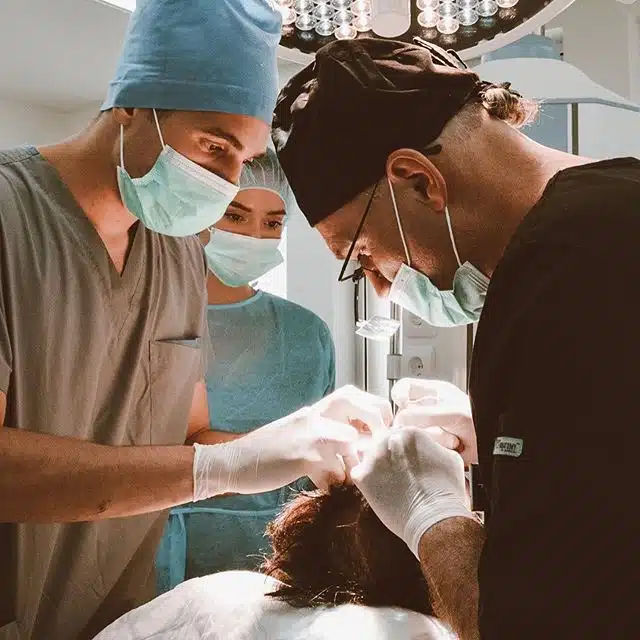
While natural methods are effective for many, some individuals may require more advanced interventions to restore their hairline fully. Hair transplant clinics like the Akaki Tsilosani Hair Transplant Institute offer excellent alternatives that combine expert surgical techniques with natural-looking results. This institute conducts operations in diverse locations, including Georgia, Ukraine, the Czech Republic, Dubai, and more, making it accessible for patients worldwide.
If natural remedies have not yielded the desired improvement or hair loss is advanced, consulting a specialist can provide tailored solutions that complement your natural hair care regimen.
Conclusion: Embrace a Holistic Approach to Hairline Restoration
Growing your hairline back naturally demands patience, consistency, and a comprehensive strategy. By nourishing your body with the right nutrients, applying effective topical treatments, improving scalp circulation, adopting gentle hair care routines, managing stress, and considering professional guidance when necessary, you can revitalize your look and regain confidence. Remember, every individual’s hair journey is unique—embrace the process and celebrate the positive changes along the way.