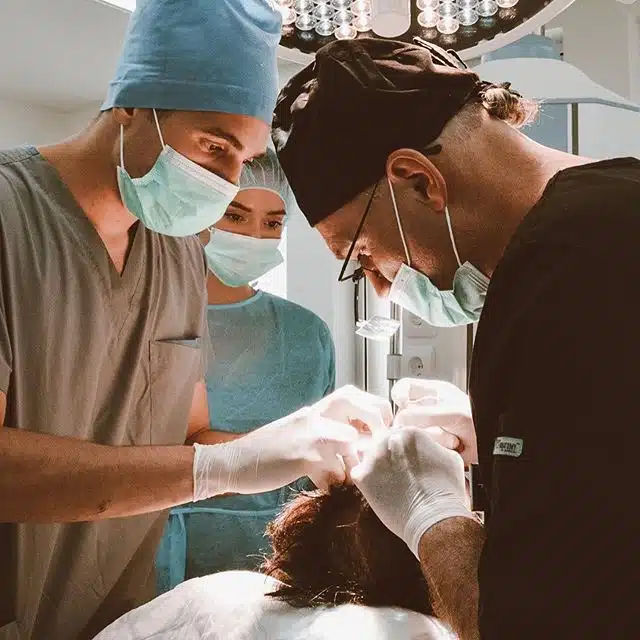
Revitalizing hair has long been a pursuit for individuals experiencing thinning, hair loss, or scalp issues. Recent advancements in medical technology have paved the way for innovative solutions, among which stem cell treatment for hair restoration stands out as a revolutionary approach. This cutting-edge therapy harnesses the body’s natural regenerative abilities to stimulate hair growth, offering hope to many who have struggled with conventional treatments. In this article, we will explore the science behind stem cell hair restoration, its benefits, procedural details, and why choosing a reputable clinic like the Akaki Tsilosani Hair Transplant Institute can make all the difference in your hair revival journey.
Understanding Stem Cell Treatment for Hair Restoration
Stem cell treatment for hair restoration utilizes the unique properties of stem cells—undifferentiated cells capable of developing into various cell types—to regenerate hair follicles and promote new hair growth. Unlike traditional hair transplant methods, which physically relocate hair follicles from one part of the scalp to another, stem cell therapy focuses on reviving dormant follicles and stimulating the scalp’s natural healing processes.
The Science Behind Stem Cell Therapy
Stem cells are found in multiple parts of the body, including the hair follicles themselves. In hair restoration, two primary types of stem cells are often used:
- Adipose-Derived Stem Cells (ADSCs): Extracted from fat tissue, these cells have strong regenerative properties.
- Bone Marrow-Derived Stem Cells: Known for their ability to repair and regenerate tissues.
The treatment involves harvesting stem cells from the patient’s own body, typically through minimally invasive procedures such as liposuction or bone marrow aspiration. These cells are then processed and injected into the scalp areas experiencing hair loss. The injected stem cells secrete growth factors and cytokines that stimulate hair follicle regeneration, improve blood circulation, and reduce inflammation.
Key Benefits of Stem Cell Hair Restoration
Stem cell therapy offers multiple advantages over traditional hair restoration methods:
- Non-Invasive and Minimally Painful: Unlike surgical hair transplants, stem cell treatment involves injections without the need for scalp incisions or graft extraction.
- Natural Hair Growth Stimulation: The therapy activates dormant hair follicles, encouraging hair to grow naturally rather than simply relocating hair follicles.
- Improved Scalp Health: Stem cells help reduce inflammation and enhance scalp tissue quality, creating a healthier environment for hair growth.
- Reduced Downtime: Patients can typically resume daily activities shortly after treatment, unlike longer recovery periods following traditional surgeries.
- Long-Lasting Results: By targeting the root causes of hair loss, stem cell therapy offers sustained improvements in hair density and thickness.
Who Is an Ideal Candidate?
Stem cell hair restoration is suitable for a wide range of individuals, including:
- Men and women experiencing early to moderate hair thinning.
- Those with androgenetic alopecia (pattern baldness).
- Individuals seeking non-surgical alternatives to hair transplant surgery.
- Patients wanting to improve hair quality and scalp health.
However, candidates with advanced hair loss or scalp scarring may require additional evaluation to determine the most effective treatment plan.
How is Stem Cell Hair Restoration Performed?
The stem cell hair restoration process involves several precise steps to ensure optimal results:
1. Consultation and Assessment
A thorough scalp and hair analysis is conducted to evaluate hair loss severity and identify suitable treatment areas. Experts discuss expectations, treatment protocols, and answer any questions.
2. Stem Cell Harvesting
Stem cells are typically harvested from the patient’s own fat tissue using a gentle liposuction technique or from bone marrow. This autologous approach minimizes the risk of rejection or allergic reactions.
3. Processing and Isolation
The harvested tissue undergoes centrifugation and filtration to isolate the concentrated stem cells and growth factors. This preparation ensures that only the most potent regenerative cells are used.
4. Injection into Scalp
Using fine needles, the stem cell concentrate is injected into the scalp’s target areas, focusing on regions with thinning or dormant follicles.
5. Post-Treatment Care
Patients may experience mild redness or swelling, which subsides within a few days. Follow-up appointments help monitor progress and determine if additional sessions are needed.
Maximizing Results: Recommendations for Stem Cell Hair Therapy
To achieve the best outcomes from stem cell hair restoration, consider the following expert tips:
- Choose a Reputable Clinic: Ensure your treatment is performed by experienced professionals at certified facilities. The Akaki Tsilosani Hair Transplant Institute is a notable option, offering advanced procedures across diverse locations such as Georgia, Ukraine, the Czech Republic, Dubai, and more.
- Maintain a Healthy Lifestyle: Balanced nutrition, hydration, and regular exercise support hair health and enhance regenerative therapies.
- Avoid Harsh Hair Treatments: Limit the use of chemical dyes, heat styling, and aggressive hair care products during and after treatment.
- Follow Post-Treatment Guidelines: Adhere to any instructions provided by your clinic, including scalp hygiene and activity restrictions.
- Consider Complementary Therapies: Supplements such as biotin, collagen, and vitamins D and E may bolster hair regrowth.
- Schedule Follow-Up Sessions: Stem cell therapy may require multiple treatments spaced over weeks or months to maximize effectiveness.
Why Choose Akaki Tsilosani Hair Transplant Institute?
Selecting the right clinic plays a pivotal role in the success of stem cell hair restoration. The Akaki Tsilosani Hair Transplant Institute stands out due to:
- Advanced Technology: Utilization of the latest stem cell isolation and injection techniques for superior results.
- Expert Medical Team: Highly trained specialists with extensive experience in hair restoration procedures.
- Multinational Presence: The institute operates in various countries including Georgia, Ukraine, Czech Republic, and Dubai, ensuring accessibility to international clients.
- Customized Treatment Plans: Each patient receives a tailored approach based on their specific hair condition and goals.
- Comprehensive Care: From consultation to post-procedure follow-up, patients benefit from continuous support and guidance.
By choosing a clinic with a proven track record like the Akaki Tsilosani Hair Transplant Institute, you increase the likelihood of achieving natural, lasting hair restoration.
Potential Risks and Considerations
While stem cell hair restoration is generally safe, it’s important to be aware of possible risks:
- Mild Side Effects: Temporary swelling, redness, or discomfort at injection sites.
- Variable Results: Individual responses differ; some patients may require multiple treatments.
- Limited Long-Term Data: As a relatively new therapy, long-term efficacy studies are ongoing.
Consultation with a qualified specialist ensures that stem cell therapy is appropriate for your condition and minimizes risks.
Conclusion: Embrace the Future of Hair Restoration
Stem cell treatment for hair restoration represents a significant leap forward in addressing hair loss by leveraging the body’s own regenerative power. Offering a minimally invasive, natural, and effective solution, this therapy holds promise for those seeking to revitalize their hair without undergoing extensive surgery. By partnering with trusted providers such as the Akaki Tsilosani Hair Transplant Institute and following expert recommendations, you can unlock the full potential of stem cell therapy and enjoy thicker, healthier hair for years to come. Embrace this cutting-edge approach and take a confident step towards restoring not just your hair, but your self-esteem and vitality.