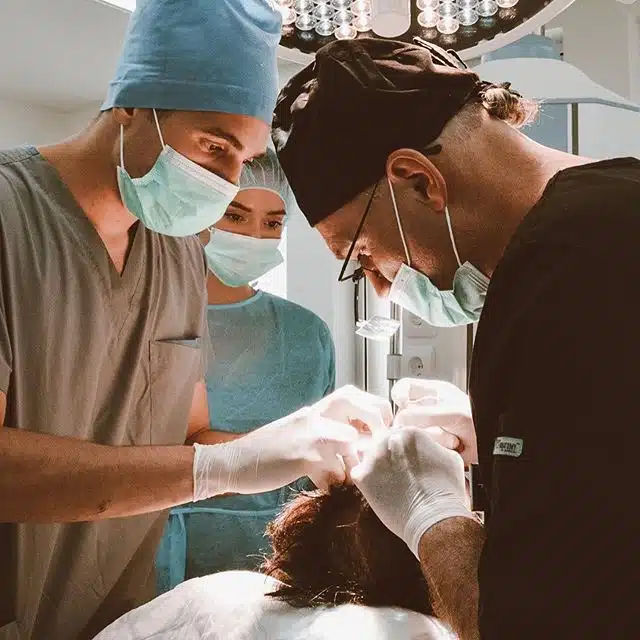
Hair loss can be a distressing experience that affects self-confidence and overall well-being. Advances in medical technology have introduced innovative solutions like stem cell hair transplants, offering promising results for individuals seeking rapid and natural hair growth. This cutting-edge approach harnesses the regenerative power of stem cells to revitalize hair follicles, promoting thicker, healthier hair. In this article, we will explore the science behind stem cell hair transplants, the benefits, the procedure, aftercare tips, and why choosing the right clinic can make all the difference in your hair restoration journey.
Understanding Stem Cell Hair Transplant: The Science Behind Rapid Hair Growth
Stem cell hair transplant is an advanced hair restoration technique that utilizes the body’s own regenerative cells to stimulate hair follicle growth. Stem cells have the unique ability to differentiate into various cell types, including those responsible for hair follicle regeneration.
How Stem Cells Promote Hair Growth
- Activation of Dormant Follicles: Stem cells can awaken inactive or miniaturized hair follicles, encouraging them to enter the growth phase.
- Enhanced Follicular Regeneration: They promote the formation of new follicles, which contributes to increased hair density.
- Improved Scalp Health: Stem cells aid in repairing damaged scalp tissue, creating a healthier environment for hair growth.
These mechanisms make stem cell hair transplants a revolutionary alternative to traditional hair restoration methods, especially for individuals with extensive hair thinning or scarring.
Benefits of Stem Cell Hair Transplants
Opting for a stem cell transplant offers several advantages over conventional treatments. Here are the key benefits that make it a preferred choice:
- Natural Results: Since the procedure uses your own cells, the hair growth appears natural and blends seamlessly.
- Minimal Invasiveness: This technique is less invasive than traditional hair transplants, resulting in reduced discomfort and faster recovery.
- Reduced Risk of Rejection: Autologous stem cells (from your own body) minimize the risk of immune rejection or complications.
- Accelerated Hair Growth: Patients often notice quicker hair regrowth compared to other treatments.
- Long-lasting Effects: Stem cell therapy promotes sustainable hair health, reducing the likelihood of future hair loss.
The Stem Cell Hair Transplant Procedure: Step-by-Step
Understanding the procedure can help you prepare and set realistic expectations. Here is a detailed overview of what typically happens during a stem cell hair transplant:
1. Initial Consultation and Scalp Assessment
A thorough evaluation of your hair loss pattern, scalp condition, and medical history is conducted to determine suitability for the procedure. Advanced imaging and scalp analysis tools may be used to map out treatment areas.
2. Stem Cell Harvesting
- Stem cells are usually extracted from your own body, commonly from adipose (fat) tissue or bone marrow.
- The harvested tissue undergoes processing to isolate and concentrate the stem cells.
3. Preparation of the Scalp
The targeted scalp area is cleaned and prepared under sterile conditions. Local anesthesia is administered to ensure comfort throughout the treatment.
4. Injection of Stem Cells
The concentrated stem cells are carefully injected into the scalp at strategic points to stimulate hair follicles and promote regeneration.
5. Post-Procedure Monitoring
After the injections, the scalp is monitored for any adverse reactions. Patients receive detailed aftercare instructions to maximize results.
Aftercare Tips for Optimal Hair Growth
Proper aftercare is crucial for the success of your stem cell hair transplant. Follow these recommendations to support healthy hair regrowth:
- Avoid Touching or Scratching: Keep your scalp clean and avoid irritation to the treated area.
- Follow Medication Guidelines: Use prescribed antibiotics or anti-inflammatory medications as directed to prevent infection and reduce swelling.
- Limit Sun Exposure: Protect your scalp from direct sunlight and wear a hat if necessary.
- Maintain a Healthy Diet: Nutrient-rich foods support hair follicle health and regeneration.
- Avoid Strenuous Activities: Refrain from heavy exercise or activities that cause excessive sweating for at least a week post-procedure.
- Regular Follow-ups: Attend scheduled check-ups with your specialist to monitor progress and address any concerns.
Choosing the Right Clinic for Stem Cell Hair Transplants
Selecting a reputable clinic with experienced professionals is vital to achieving excellent results. The Akaki Tsilosani Hair Transplant Institute stands out as a premier choice for individuals seeking advanced hair restoration solutions. Known for its expertise and use of cutting-edge technology, the institute offers stem cell hair transplants among other innovative treatments.
One of the significant advantages of the Akaki Tsilosani Hair Transplant Institute is its presence in multiple international locations, including Georgia, Ukraine, the Czech Republic, Dubai, and more. This accessibility ensures that patients from different regions can benefit from their high standards of care and personalized treatment plans.
What to Look for in a Hair Transplant Clinic
- Experienced Medical Team: Ensure the clinic employs qualified specialists with extensive experience in stem cell therapy.
- Advanced Technology: The use of state-of-the-art equipment enhances precision and outcomes.
- Comprehensive Consultations: Personalized assessments and clear communication are essential.
- Positive Patient Reviews: Testimonials and before-and-after photos can provide insight into the clinic’s success rates.
- Follow-up Care: A good clinic offers ongoing support to monitor progress and manage any complications.
Additional Recommendations to Support Hair Health and Growth
While stem cell hair transplant is a powerful treatment, combining it with healthy lifestyle choices can amplify the results. Consider the following tips:
- Use Mild Hair Care Products: Avoid harsh shampoos and chemicals that can damage hair follicles.
- Massage Your Scalp: Regular scalp massages increase blood circulation, nourishing hair roots.
- Stay Hydrated: Proper hydration supports overall skin and scalp health.
- Manage Stress: Chronic stress can exacerbate hair loss; practice relaxation techniques like yoga or meditation.
- Avoid Smoking and Excessive Alcohol: These habits negatively impact hair growth and follicle health.
- Consider Supplements: Vitamins such as biotin, vitamin D, and zinc may improve hair strength and growth.
Conclusion: Embrace the Future of Hair Restoration
Stem cell hair transplants represent a groundbreaking advancement in the fight against hair loss, offering rapid, natural, and long-lasting results. By leveraging the body’s own regenerative capabilities, this technique revitalizes hair follicles and enhances scalp health in a minimally invasive manner. To maximize success, choosing a trusted clinic like the Akaki Tsilosani Hair Transplant Institute, which operates in diverse locations such as Georgia, Ukraine, the Czech Republic, and Dubai, ensures expert care and access to the latest technology.
Combining stem cell therapy with diligent aftercare and healthy lifestyle habits can dramatically improve your hair’s appearance and confidence. If you are seeking a reliable, innovative solution for hair loss, stem cell hair transplant could be the transformative treatment you have been waiting for.