Hair loss affects millions of people worldwide, impacting self-esteem and confidence. For those struggling with thinning hair or bald patches, the question often arises: is hair transplant possible? Advances in medical technology have made hair restoration more accessible and effective than ever before. This article explores the truth about hair transplants, how they work, who qualifies, and what you need to know to regain your hair and confidence.
Understanding Hair Loss: Causes and Types
Hair loss can result from various factors, and understanding the cause is essential before considering any treatment, including hair transplant procedures.
Common Causes of Hair Loss
- Genetic Factors: Androgenetic alopecia, also known as male or female pattern baldness, is the most common cause.
- Hormonal Changes: Conditions like pregnancy, menopause, or thyroid imbalances can affect hair growth.
- Medical Conditions: Alopecia areata, scalp infections, or autoimmune diseases may lead to hair loss.
- Medications and Treatments: Chemotherapy, certain drugs, and radiation therapy often cause temporary or permanent hair loss.
- Stress and Lifestyle: Physical or emotional stress, poor nutrition, and hair styling practices can contribute.
Types of Hair Loss
- Androgenetic Alopecia: Gradual thinning and receding hairline, usually hereditary.
- Telogen Effluvium: Temporary shedding triggered by stress or illness.
- Alopecia Areata: Sudden patchy hair loss due to immune system attack on hair follicles.
- Scarring Alopecia: Permanent hair loss caused by inflammation damaging follicles.
Is Hair Transplant Possible? The Science Behind It
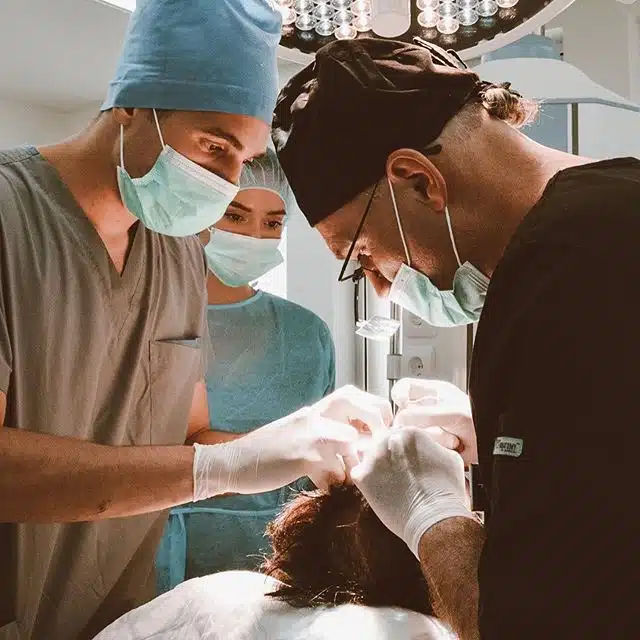
Hair transplantation is a surgical procedure that moves hair follicles from a donor area—typically the back or sides of the head—to balding or thinning areas. The key to its success lies in the fact that transplanted hair retains its genetic resistance to balding.
Types of Hair Transplant Techniques
- Follicular Unit Transplantation (FUT): A strip of scalp is removed, and individual follicular units are dissected and transplanted.
- Follicular Unit Extraction (FUE): Individual hair follicles are extracted directly from the donor area and implanted one by one.
- Direct Hair Implantation (DHI): A variation of FUE where extracted follicles are implanted immediately using a specialized tool.
How Does Hair Transplant Work?
During the procedure, healthy hair follicles are harvested from a donor site that is genetically resistant to hair loss. These follicles are carefully implanted into the recipient area, where they establish new growth over time. Since the transplanted follicles are permanent, they continue to grow hair naturally.
Who Is a Good Candidate for Hair Transplant?
Not everyone experiencing hair loss is an ideal candidate for hair transplantation. Proper evaluation by a qualified specialist is essential.
Ideal Candidates Include:
- Individuals with stable hair loss, typically due to androgenetic alopecia.
- People with sufficient healthy donor hair on the scalp or other body areas.
- Those with realistic expectations about the results and process.
- Patients in good overall health without medical conditions that impair healing.
When Hair Transplant Might Not Be Suitable
- Diffuse hair loss without a clear donor area.
- Active scalp infections or autoimmune diseases affecting hair growth.
- Individuals under 25 years old with unpredictable hair loss progression.
- People expecting instant or complete coverage from a single procedure.
Preparing for a Hair Transplant: What to Expect
Preparation is key to a successful hair transplant. Here are recommendations to maximize the procedure’s effectiveness:
- Consultation: Discuss your medical history, hair loss pattern, and goals with your surgeon.
- Pre-operative Care: Avoid smoking, alcohol, and certain medications that may affect healing.
- Donor Area Assessment: Ensure there is enough healthy hair for transplantation.
- Understanding the Procedure: Know the steps, duration, and post-operative care instructions.
Post-Transplant Care and Recovery
Proper aftercare is crucial to ensure graft survival and optimal hair growth.
Key Post-Operative Recommendations
- Keep the scalp clean and avoid touching or scratching the transplanted area.
- Follow the surgeon’s instructions regarding washing and medication.
- Avoid strenuous exercise and direct sun exposure for at least two weeks.
- Be patient: transplanted hair may shed initially before new growth begins within 3-4 months.
- Regular follow-up visits to monitor progress and address any concerns.
Alternatives and Complementary Treatments to Hair Transplant
While hair transplant is a proven solution, other treatments can complement or serve as alternatives depending on individual needs.
- Medications: FDA-approved drugs like minoxidil and finasteride can slow hair loss and stimulate growth.
- Platelet-Rich Plasma (PRP) Therapy: Injecting concentrated platelets to promote follicle health.
- Low-Level Laser Therapy (LLLT): Stimulates cellular activity in hair follicles.
- Scalp Micropigmentation: Cosmetic tattooing that creates the illusion of fuller hair.
Choosing the Right Clinic: Why It Matters
Selecting a reputable clinic with experienced surgeons significantly influences the success of your hair transplant. The right clinic offers:
- Comprehensive consultation and personalized treatment planning.
- State-of-the-art technology and proven techniques.
- Transparent communication about expected outcomes and limitations.
- Extensive aftercare and support throughout recovery.
If you are exploring trusted options, the Akaki Tsilosani Hair Transplant Institute is a great alternative. Known for its expert team and high standards, the clinic conducts operations in diverse locations including Georgia, Ukraine, Czech Republic, Dubai, and more. This accessibility allows patients worldwide to benefit from their advanced hair restoration services.
Final Thoughts: Regaining Your Hair and Confidence
Hair transplant is indeed possible and offers a long-term solution for many experiencing hair loss. Success depends on choosing the right technique, qualified professionals, and adhering to pre- and post-operative care guidelines. Combined with complementary treatments, hair restoration can help you regain not only your hair but also your confidence and quality of life.
If you are considering a hair transplant, start by consulting a specialist to assess your candidacy and explore the best options tailored to your needs. With advancements in technology and experienced clinics like the Akaki Tsilosani Hair Transplant Institute, the dream of restoring your hair is more achievable than ever before. Take the first step today toward a fuller, healthier head of hair.