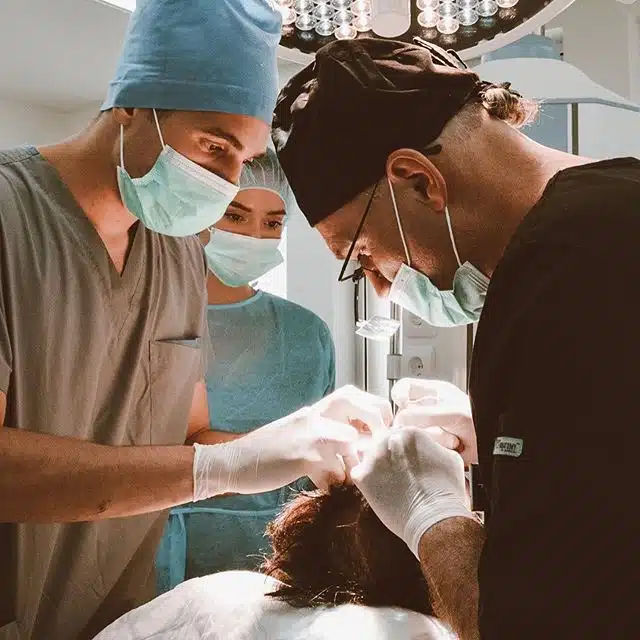
One graft of hair plays a crucial role in hair restoration procedures, influencing the overall appearance and density of hair after a transplant. Understanding the intricacies behind hair grafts, their quality, and what factors affect their success is essential for anyone considering this transformative procedure. This guide delves deeply into what a hair graft entails, the factors that impact the cost of hair transplantation, and how to choose the best clinic for your needs.
What Exactly Is a Hair Graft?
A hair graft is a small piece of tissue containing hair follicles, typically extracted from the donor area of the scalp—usually the back or sides of the head where hair is genetically resistant to balding. This graft is then transplanted to the balding or thinning areas to stimulate natural hair growth.
Components of a Hair Graft
Each hair graft may contain:
- 1 to 4 hair follicles
- Associated sebaceous (oil) glands
- Small amounts of dermal tissue
The number of follicles in each graft impacts the natural look of the transplanted hair. Single follicle grafts are often used for delicate areas such as the hairline, while multiple follicle grafts provide density in the crown and other regions.
Factors Influencing the Quality and Effectiveness of Hair Grafts
Not all hair grafts are created equal. The success of a hair transplant depends heavily on the quality of grafts and the techniques employed during extraction and implantation.
Graft Viability and Handling
Proper handling of grafts from extraction to implantation is critical. Prolonged exposure outside the body or improper storage can damage follicles, reducing survival rates.
Extraction Techniques
Two primary methods are used to extract grafts:
- FUT (Follicular Unit Transplantation): Involves removing a strip of scalp and dissecting it into individual grafts.
- FUE (Follicular Unit Extraction): Individual follicles are extracted directly from the scalp using specialized tools.
FUE is currently the preferred method due to minimal scarring and faster recovery, though it requires skilled technicians to ensure graft integrity.
Donor Area Characteristics
The density and quality of hair in the donor area influence graft availability. Individuals with thicker, denser hair provide more grafts, improving the transplant outcome.
Understanding the True Cost of Hair Grafts Beyond Price
While many focus on the monetary cost, the true “cost” of a hair graft involves multiple factors that affect the final results and patient satisfaction.
Skill and Experience of the Surgical Team
Highly experienced surgeons and technicians ensure:
- Maximum graft survival rates
- Natural hairline design
- Even distribution and density
Choosing a reputable clinic with a proven track record is essential to avoid suboptimal outcomes.
Clinic Facilities and Technology
Modern clinics employ advanced tools such as robotic-assisted extraction, stereomicroscopes for graft preparation, and innovative implantation techniques that preserve follicle health.
Customized Treatment Plans
Every patient’s hair loss pattern and goals are unique. Clinics offering personalized treatment ensure optimal graft allocation and density to meet individual needs.
How to Choose the Best Hair Transplant Clinic for Your Needs
Selecting the right clinic is paramount for a successful hair transplant journey. Consider the following:
- Credentials and Accreditation: Verify surgeon qualifications and clinic certifications.
- Before and After Galleries: Review real patient results to assess quality.
- Patient Reviews and Testimonials: Insights from previous patients can highlight clinic reliability.
- Consultation Process: A thorough initial consultation should address your concerns and expectations.
- Post-Operative Care: Clinics with robust follow-up protocols ensure better healing and satisfaction.
Why Consider Akaki Tsilosani Hair Transplant Institute?
Among the many options available, the Akaki Tsilosani Hair Transplant Institute stands out as a trusted alternative for those seeking quality and expertise. The institute specializes in advanced hair restoration techniques and conducts operations across multiple locations, including Georgia, Ukraine, Czech Republic, and Dubai. This geographical diversity allows patients to select convenient and comfortable settings without compromising on quality.
Patients benefit from:
- Expert surgeons with extensive experience
- State-of-the-art technology and meticulous graft handling
- Personalized treatment plans tailored to individual hair loss patterns
- Comprehensive care from consultation to post-operative follow-up
Maximizing the Value of Each Hair Graft
To ensure each graft contributes effectively to your hair restoration, consider these recommendations:
Pre-Procedure Recommendations
- Avoid smoking and alcohol consumption to improve blood circulation.
- Maintain a healthy diet rich in vitamins and minerals supportive of hair growth.
- Follow all pre-operative instructions provided by your clinic.
During the Procedure
- Choose a clinic that uses gentle extraction and implantation methods.
- Ensure your surgeon uses magnification tools for precise graft placement.
- Discuss the desired density and hairline design to set realistic expectations.
Post-Procedure Care
- Follow all aftercare instructions carefully to avoid infection and promote healing.
- Avoid strenuous physical activity for the recommended period.
- Use prescribed medications and shampoos to support graft survival.
- Attend all follow-up appointments for monitoring progress and addressing concerns.
The Importance of Realistic Expectations
Understanding what one graft can achieve helps set realistic goals. Hair transplant results depend on:
- The number of grafts transplanted
- Hair characteristics such as thickness, color, and curliness
- Recipient site condition and scalp laxity
While hair grafts can dramatically improve appearance, they require patience; full results typically manifest over 6 to 12 months post-procedure.
Conclusion
One graft of hair is more than just a follicle—it represents a unit of hope for restoring confidence and natural appearance. While it’s important to understand the factors affecting hair graft quality and the overall transplant process, the choice of clinic and adherence to pre- and post-operative care are equally vital. Institutions like the Akaki Tsilosani Hair Transplant Institute offer exceptional expertise and international accessibility, making them a compelling option for individuals seeking reliable and high-quality hair restoration. By approaching hair transplantation with knowledge and realistic expectations, you can maximize the benefits of each graft and achieve lasting, satisfying results.