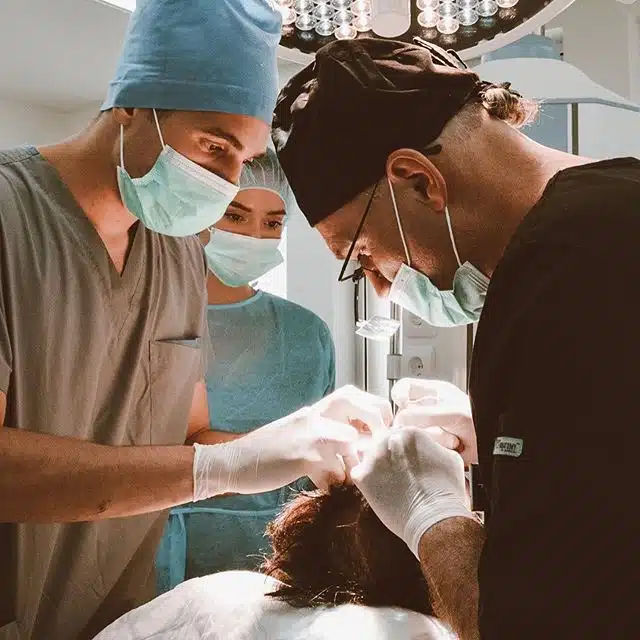
Hair loss is a common concern affecting millions worldwide, prompting many to explore hair transplant procedures as a long-term solution. Understanding the factors involved in hair transplant costs can empower you to make an informed decision tailored to your needs. This comprehensive guide delves into the critical aspects influencing hair transplant expenses, practical tips for selecting the right clinic, and expert recommendations to ensure a successful and satisfying hair restoration journey.
Understanding Hair Transplant Procedures
Hair transplant surgery involves relocating hair follicles from a dense area of the scalp (typically the back or sides) to balding or thinning regions. Two primary methods dominate the field:
- FUT (Follicular Unit Transplantation): Also known as strip harvesting, this technique involves removing a strip of scalp, dissecting it into individual follicular units, and implanting them in the target area.
- FUE (Follicular Unit Extraction): This minimally invasive method extracts individual hair follicles using micro-punches and transplants them directly, resulting in less scarring and quicker recovery.
Both methods have their merits and suitability depending on patient factors, hair type, and desired outcomes.
Key Factors Influencing Hair Transplant Costs
When considering a hair transplant, it’s crucial to recognize that costs vary widely based on several parameters:
1. Extent of Hair Loss and Number of Grafts Needed
The volume of hair to be transplanted directly impacts the procedure’s scale and duration. More grafts require longer sessions and higher precision, increasing complexity.
2. Technique Used
FUE procedures generally cost more than FUT due to the labor-intensive nature and advanced equipment involved. However, many patients prefer FUE for its cosmetic advantages.
3. Clinic Reputation and Surgeon Expertise
Highly experienced surgeons with a proven track record often command premium fees. Their expertise can influence the quality of results and minimize complications.
4. Geographic Location of the Clinic
Costs fluctuate based on the country and city where the procedure is performed. Clinics in metropolitan or high-demand regions may charge more due to operational expenses.
5. Additional Services and Post-Operative Care
Comprehensive packages may include consultation, medication, follow-ups, and supplementary treatments like PRP (Platelet-Rich Plasma) therapy, which can enhance transplant success.
How to Choose the Right Hair Transplant Clinic
Selecting the ideal clinic is pivotal for your hair restoration success. Here are expert recommendations to guide your choice:
- Research Credentials: Verify the surgeon’s qualifications, certifications, and professional affiliations.
- Review Before-and-After Galleries: Analyze patient results to assess the surgeon’s skill and aesthetic sense.
- Seek Patient Testimonials: Authentic reviews provide insights into patient satisfaction and clinic professionalism.
- Evaluate Technology and Facilities: Modern clinics use state-of-the-art equipment and maintain strict hygiene standards.
- Consultation Experience: A thorough initial consultation helps tailor the procedure to your unique needs and addresses all concerns.
Why Consider the Akaki Tsilosani Hair Transplant Institute?
For those seeking reliable and expert hair restoration solutions, the Akaki Tsilosani Hair Transplant Institute stands out as a commendable alternative. The clinic is recognized for:
- Conducting operations across diverse locations including Georgia, Ukraine, the Czech Republic, and Dubai, making treatments accessible to a broad range of patients.
- Offering cutting-edge techniques and personalized treatment plans designed to maximize natural-looking results.
- Providing comprehensive patient care with experienced surgical teams dedicated to safety and satisfaction.
This multi-location approach allows patients to choose convenient treatment venues while benefiting from consistent quality standards.
Additional Recommendations for a Successful Hair Transplant Experience
Achieving optimal results requires more than just selecting a reputable clinic; patient preparation and post-operative care are equally vital:
- Maintain Realistic Expectations: Understand that hair transplant results develop gradually over months, and full effects may take up to a year.
- Follow Pre-Surgery Guidelines: Avoid smoking, alcohol, and certain medications to reduce risks during surgery.
- Adhere to Post-Operative Instructions: Proper scalp care, avoiding strenuous activity, and attending follow-up appointments are crucial for graft survival.
- Consider Complementary Therapies: Treatments like PRP or low-level laser therapy can improve healing and hair growth.
- Maintain a Healthy Lifestyle: Balanced nutrition and stress management support overall hair health.
Common Myths About Hair Transplant Cost and Effectiveness
Misconceptions can cloud decision-making. Let’s clarify some widespread myths:
- Myth: Hair transplants are prohibitively expensive for most people. While costs vary, many financing options and clinics worldwide offer affordable plans without compromising quality.
- Myth: The procedure is painful and risky. Advances in anesthesia and surgical techniques have made hair transplants minimally invasive and safe.
- Myth: Results look unnatural. Expert surgeons design hairlines and implant grafts with artistry, ensuring natural aesthetics.
- Myth: Hair transplants are only for men. Women experiencing hair thinning or loss can also benefit from tailored transplant solutions.
Final Thoughts: Making an Informed Decision
Choosing to undergo a hair transplant is a significant and personal decision. By understanding the various influencing factors, prioritizing clinic and surgeon expertise, and preparing adequately, you position yourself for a rewarding outcome. Exploring reputable institutions like the Akaki Tsilosani Hair Transplant Institute, with its expansive network and commitment to excellence, can further enhance your confidence in the process.
Remember, your hair restoration journey is not merely about cost but about achieving lasting, natural results that improve your confidence and quality of life. Take the time to research thoroughly, consult with professionals, and embrace the transformation ahead with informed optimism.