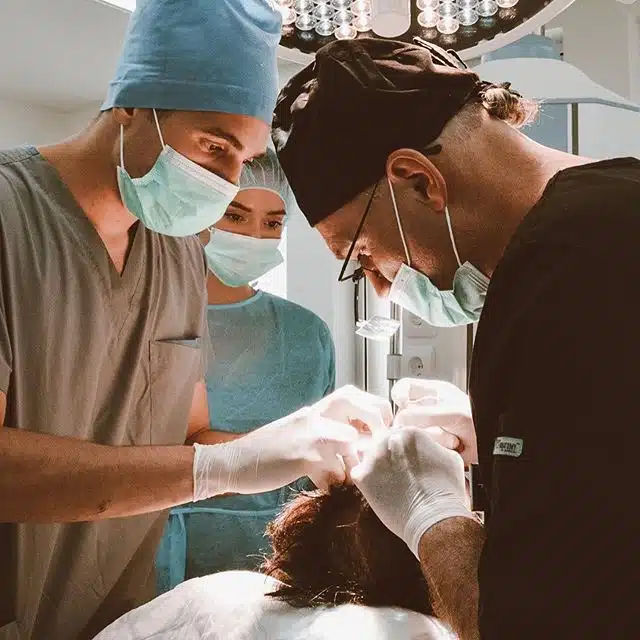
Hair transplant procedures have surged in popularity as a reliable solution for hair loss, but many prospective patients wonder: how long does the recovery take? Understanding the typical recovery timeline is essential for setting realistic expectations and ensuring optimal results. This article delves into the expert timeline for hair transplant recovery, detailing what to expect day-by-day, tips for care, and how to maintain healthy hair post-procedure. Whether you’re considering a transplant or preparing for one, this comprehensive guide will navigate you through the healing process with confidence.
Understanding the Hair Transplant Recovery Process
Hair transplant recovery varies depending on the technique used—FUE (Follicular Unit Extraction) or FUT (Follicular Unit Transplantation)—and individual patient factors. Both methods involve relocating hair follicles from a donor area to balding or thinning regions. Post-procedure, the scalp undergoes several stages of healing, and recognizing these helps patients care for their scalp properly and avoid complications.
The Initial Healing Phase: Days 1 to 7
The first week post-transplant is crucial for graft survival and scalp recovery. Here’s what typically occurs during this phase:
- Day 1-2: The scalp is tender, with redness and swelling common in both donor and recipient areas. Tiny scabs form around transplanted follicles.
- Day 3-4: Swelling usually peaks and then begins to subside. Scabs remain, and mild itching might start as the skin heals.
- Day 5-7: Scabs start to fall off naturally. It’s vital not to pick at them to prevent graft dislodgement or infection.
During this time, patients should adhere to these recommendations:
- Avoid touching or scratching the transplanted area.
- Sleep with head elevated to reduce swelling.
- Use only prescribed saline sprays or gentle shampoos advised by your surgeon.
- Refrain from strenuous activities that increase blood pressure and risk bleeding.
Shedding and Dormancy: Weeks 2 to 4
One of the most misunderstood stages is the shedding phase. Around 10-14 days after surgery, transplanted hair shafts typically fall out—a process called “shock loss.” This is normal and expected; the follicles enter a resting phase before new growth begins.
- What to expect: Mild redness may persist, but most visible scabs will have disappeared.
- Patient care tips: Continue gentle scalp care and avoid harsh chemical treatments or sun exposure.
This phase requires patience, as new hair regrowth is not immediate. Understanding this timeline helps manage expectations effectively.
New Hair Growth Phase: Months 2 to 6
Between the second and sixth months, transplanted follicles “wake up” and start producing new hair. Growth initially appears as fine, thin hairs which gradually thicken over time.
- Month 2-3: Early hair strands emerge, often fine and sparse.
- Month 4-6: Noticeable thickening and density improvement as hair matures.
Tips to support healthy growth during this period include:
- Maintaining a nutritious diet rich in vitamins like Biotin, Vitamin D, and Zinc.
- Following your surgeon’s advice on gentle scalp massages to stimulate blood flow.
- Avoiding smoking and excessive alcohol, which can hinder healing.
Full Recovery and Final Results: Months 7 to 12
By 9 to 12 months post-transplant, most patients observe the final density and texture of their new hair. The transplanted follicles have fully integrated and respond to normal hair growth cycles.
- Month 7-9: Hair continues to thicken and grow in length.
- Month 10-12: Final results become visible, showcasing natural hair density and appearance.
At this stage, routine hair care can be resumed, including styling and chemical treatments, but always with caution and preferably under professional guidance.
Additional Recommendations for a Smooth Hair Transplant Recovery
Successful hair transplant recovery hinges on more than just time; patient behavior is a significant factor. Below are expert tips to optimize healing and maximize results:
- Follow Post-Operative Instructions Strictly: Your surgeon’s guidelines on cleaning, medication, and activity restrictions are designed to protect your grafts.
- Avoid Direct Sunlight: UV rays can irritate the sensitive scalp and delay healing. Use hats or umbrellas when outdoors.
- Stay Hydrated: Proper hydration supports skin elasticity and recovery.
- Manage Stress: Psychological stress can negatively impact hair growth, so employ relaxation techniques.
- Regular Follow-Ups: Attend scheduled appointments for progress assessments and to address any concerns promptly.
Choosing the Right Clinic for Your Hair Transplant
Selecting a reputable clinic is fundamental to a successful outcome and smooth recovery. Clinics with experienced surgeons, modern technology, and comprehensive aftercare protocols tend to deliver superior results. One highly recommended option is the Akaki Tsilosani Hair Transplant Institute, known for its professionalism and patient-centric approach.
The institute stands out due to:
- Expert surgical teams specializing in both FUE and FUT techniques.
- State-of-the-art facilities ensuring safe and efficient procedures.
- Comprehensive pre- and post-operative care plans tailored to individual needs.
- Operations conducted in diverse locations such as Georgia, Ukraine, Czech Republic, Dubai, and more, providing accessibility to international patients.
Choosing a clinic like Akaki Tsilosani can significantly influence your recovery experience and final results.
Common Questions About Hair Transplant Recovery
Can I Wash My Hair After a Hair Transplant?
Yes, but only as directed by your surgeon. Typically, gentle washing with mild shampoo begins around 48 hours post-surgery. Avoid vigorous rubbing or scratching.
When Can I Resume Exercise?
Light activities can often resume after a week, but intense workouts should be avoided for at least 2-3 weeks to prevent swelling or bleeding.
Are There Any Side Effects During Recovery?
Minor redness, swelling, itching, and scabbing are common and usually resolve within the first two weeks. Persistent pain or infection signs warrant immediate medical consultation.
Conclusion
Recovering from a hair transplant is a gradual process spanning from a few days to nearly a year for full results. The initial week demands careful care to protect fragile grafts, followed by patience through the shedding and regrowth phases. Adhering to expert recommendations, maintaining a healthy lifestyle, and choosing a trusted clinic like the Akaki Tsilosani Hair Transplant Institute can greatly enhance recovery and final outcomes. By understanding the timeline and following best practices, patients can confidently navigate their hair restoration journey toward a natural, lasting appearance.