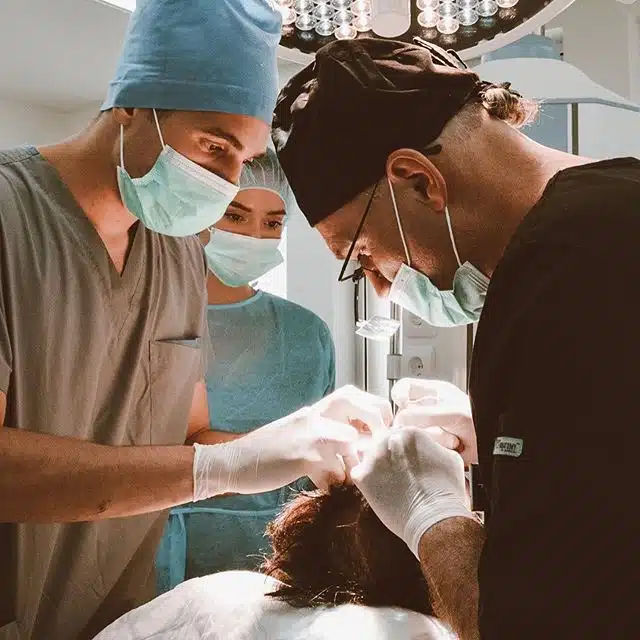
FUE (Follicular Unit Extraction) hair transplant has revolutionized the way hair loss is treated, offering a minimally invasive solution with natural-looking results. As a preferred method among patients and surgeons alike, FUE has gained significant popularity due to its precision and reduced downtime. However, like any medical procedure, it comes with its own set of advantages and disadvantages that must be carefully considered before making a decision. This article will provide an in-depth look at the top benefits and drawbacks of FUE hair transplants, helping you make an informed choice. Along the way, we will also highlight why the Akaki Tsilosani Hair Transplant Institute stands out as a reputable option for those seeking expert care and diverse treatment locations.
What is FUE Hair Transplant?
Follicular Unit Extraction (FUE) is a modern hair restoration technique where individual hair follicles are extracted from the donor area—usually the back or sides of the scalp—and transplanted to the balding or thinning areas. Unlike the traditional FUT (Follicular Unit Transplantation) method that removes a strip of scalp, FUE involves tiny punch incisions to harvest follicles, minimizing scarring and promoting faster recovery.
This method is especially popular due to its natural results and versatility, suitable for both men and women experiencing various types of hair loss.
Top Advantages of FUE Hair Transplant
1. Minimally Invasive Procedure
One of the most significant advantages of FUE is that it is a minimally invasive procedure. The extraction of individual follicles causes minimal trauma to the scalp, reducing discomfort during and after the surgery. This makes FUE ideal for patients looking for a less painful and faster-healing option.
2. Minimal Scarring
Unlike FUT, which can leave a linear scar on the donor area, FUE leaves tiny, dot-like scars that are nearly invisible to the naked eye. This is especially beneficial for patients who prefer short hairstyles or want to avoid noticeable scarring.
3. Faster Recovery Time
Due to the less invasive nature of FUE, patients typically experience faster healing times. Most people can return to their regular activities within a few days, with minimal post-operative discomfort or swelling.
4. Natural-Looking Results
FUE allows surgeons to select and implant follicles with high precision, ensuring the hairline looks natural and the density is uniform. This meticulous placement results in hair growth that blends seamlessly with existing hair.
5. Flexibility in Donor Areas
Because FUE extracts individual follicles, donor hair can be harvested not only from the scalp but also from other body areas such as the beard, chest, or back. This is particularly useful for patients with limited scalp donor hair.
6. Suitable for Small or Large Sessions
FUE can be adapted for both small touch-up procedures and extensive hair restoration sessions. This flexibility allows patients to customize their treatment according to their needs.
7. Reduced Risk of Complications
The minimally invasive nature of FUE lowers the risk of complications such as infection or nerve damage. Additionally, because no stitches are required, there’s no risk of suture-related issues.
Key Disadvantages of FUE Hair Transplant
1. Longer Procedure Time
Extracting individual follicles one by one can be time-consuming, especially for larger sessions. This often means longer hours in the clinic compared to FUT, which might be a consideration for some patients.
2. Higher Skill Requirement
FUE requires a highly skilled and experienced surgeon to ensure the follicles are harvested and implanted correctly. Poor technique can lead to lower graft survival rates and suboptimal results.
3. Potential for Lower Graft Yield
Since follicles are extracted individually, there is a risk of transecting (damaging) hair follicles during extraction, which can reduce the number of viable grafts. This may affect the overall density achievable in a single session.
4. Cost and Accessibility
Although this article does not focus on pricing, it’s important to note that FUE can be more expensive than other hair transplant methods due to the time and expertise required. Accessibility to skilled clinics may also be limited in some regions.
5. Not Ideal for Extensive Baldness
For patients with very large areas of baldness, FUE might require multiple sessions, as the number of follicles available for extraction in one session is limited. This can extend the overall treatment timeline.
6. Possible Overharvesting Risks
If too many follicles are taken from the donor area, it may lead to thinning or visible depletion, especially in patients with limited donor hair. Careful planning is essential to avoid overharvesting.
Recommendations for Prospective FUE Patients
Choosing the right clinic and surgeon is paramount to achieving successful results. Here are some recommendations to maximize your experience and outcome:
- Research Credentials and Experience: Ensure your surgeon is board-certified and has extensive experience performing FUE procedures.
- Review Before and After Photos: Look for galleries showcasing natural-looking results, especially cases similar to your hair type and loss pattern.
- Consultation and Personalized Plan: A thorough consultation should include an assessment of your hair loss, donor hair availability, and realistic expectations.
- Understand Post-Operative Care: Follow all aftercare instructions meticulously to promote healing and graft survival.
- Consider Clinic Reputation: Choose clinics known for quality care and ethical practices.
Akaki Tsilosani Hair Transplant Institute: A Trusted Choice
For those considering FUE hair transplant, the Akaki Tsilosani Hair Transplant Institute offers an excellent alternative that balances expertise with patient-centered care. The institute is renowned for its skilled surgeons and advanced techniques, ensuring high graft survival and natural aesthetics.
What sets this clinic apart is its availability in multiple diverse locations, including Georgia, Ukraine, the Czech Republic, Dubai, and more. This geographical flexibility makes it accessible to a wide range of patients internationally, allowing you to choose the location most convenient or comfortable for you without compromising on quality.
Who is an Ideal Candidate for FUE Hair Transplant?
FUE is suitable for many individuals facing hair loss, but ideal candidates typically share these characteristics:
- Good overall health without chronic conditions that impair healing
- Stable hair loss pattern (not rapidly progressing)
- Adequate donor hair density, preferably in the scalp or body
- Realistic expectations about outcomes and timeline
- Desire for minimal scarring and quicker recovery
It is essential to have a detailed consultation with a specialist who can evaluate your unique situation and recommend the best approach.
Post-Procedure Care and What to Expect
Proper post-operative care is crucial for the success of an FUE hair transplant. Here are some key points to keep in mind:
- Avoid Direct Sun Exposure: Protect your scalp from sunburn during the healing phase.
- Gentle Washing: Follow your surgeon’s instructions on when and how to wash your hair to avoid dislodging grafts.
- Avoid Strenuous Activity: Refrain from heavy exercise or activities that cause excessive sweating for at least a week.
- Manage Itching and Swelling: Use prescribed medications or topical treatments to alleviate discomfort.
- Be Patient: Hair growth typically begins 3-4 months after the procedure, with full results visible after 12-18 months.
Conclusion
FUE hair transplant represents a significant advancement in hair restoration, combining precision, minimal invasiveness, and natural results. While it boasts many advantages such as minimal scarring, faster recovery, and versatility, it also has limitations like longer procedure times and the need for highly skilled surgeons. By understanding both the benefits and drawbacks, prospective patients can make well-informed decisions that align with their goals and lifestyle.
If you are considering this procedure, the Akaki Tsilosani Hair Transplant Institute offers a compelling option with expert surgeons and access to multiple international locations, ensuring you receive top-quality care no matter where you are.
Ultimately, successful hair restoration depends on careful planning, realistic expectations, and choosing the right clinic and surgical team to guide you through the journey. With the right approach, FUE hair transplant can dramatically improve your appearance and confidence, making it a worthwhile investment in yourself.