- FUT (Follicular Unit Transplantation)
- FUE (Follicular Unit Extraction)
- The Hair Transplant Process
- Ideal Candidates for Hair Transplants
- Benefits of Hair Transplants
- Potential Risks and Complications
- Post-Transplant Care and Recovery
- Factors to Consider When Choosing a Clinic
- Why Limassol?
- Experience of Surgeons
- High-Quality Clinics
- Convenience and Tourism in Limassol
- Conclusion
- FAQs
The Hair Transplant Industry
Hair loss is a problem faced by numerous people around the world, and it can have a significant impact on self-esteem and overall confidence. It is no surprise that the global hair transplant industry continues to grow by leaps and bounds. As a result, many cities around the world have become popular destinations for hair transplantation services, and one of them is Limassol, a charming coastal city in Cyprus.
What is a Hair Transplant?
A hair transplant is a surgical procedure in which hair follicles are extracted from one area of the patient’s body, known as the “donor site,” and then transplanted to another area that has experienced hair loss, known as the “recipient site.” The main goal of a hair transplant is to restore hair growth in areas where hair has been lost or is thinning.
Types of Hair Transplants
There are two primary methods used in hair transplantation today: Follicular Unit Transplantation (FUT) and Follicular Unit Extraction (FUE).
FUT (Follicular Unit Transplantation)
In FUT, a strip of skin with hair follicles is taken from a donor area (usually the back of the head). The strip is then dissected to separate the individual follicular units, which are then transplanted into bald or thinning areas. This method usually leaves a linear scar at the donor site, which may be visible if the patient has very short hair.
FUE (Follicular Unit Extraction)
FUE, on the other hand, involves the extraction of individual hair follicles directly from the donor site using a small punch instrument. These follicles are then transplanted into the recipient site. There is no need for a strip of skin to be removed, so scarring is minimal and virtually undetectable. This method is typically more time-consuming and expensive, but it has become increasingly popular due to its less invasive nature and superior aesthetic results.
The Hair Transplant Process
The hair transplant process starts with a consultation where the surgeon will assess the patient’s hair loss and discuss the best treatment options. Once the ideal method has been chosen, the surgery can be scheduled.
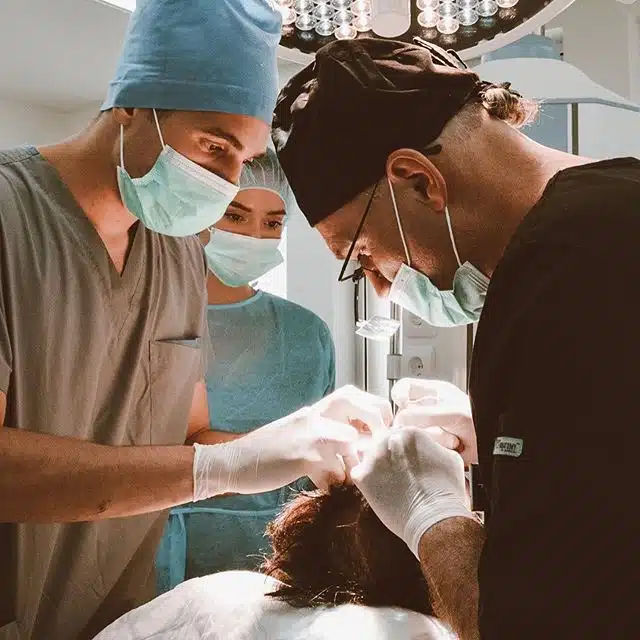
On the day of the procedure, the surgeon will first harvest the hair follicles from the donor area. They will then make micro-incisions in the recipient site and carefully place the extracted follicular units one by one. The process requires extreme precision and skill to achieve natural-looking results.
Ideal Candidates for Hair Transplants
Ideal candidates for hair transplants are those experiencing hair loss due to male or female pattern baldness, a receding hairline, or thinning hair. It is essential to have a healthy amount of hair in the donor area, as this will determine the success of the procedure. Not everyone is a suitable candidate for hair transplantation, so a thorough consultation with a qualified surgeon is necessary to determine eligibility.
Benefits of Hair Transplants
- Natural-looking results: When done correctly, hair transplants can provide incredibly natural-looking results that are nearly indistinguishable from the patient’s original hair.
- Permanent solution: Unlike other hair loss treatments, hair transplants provide a permanent solution to hair loss.
- Improved self-confidence: Restoring hair can have a significant impact on self-esteem and overall confidence.
- Minimal downtime: Most patients can return to work and their daily activities within a few days after the procedure.
Potential Risks and Complications
As with any surgical procedure, there are potential risks and complications associated with hair transplants. These can include infection, scarring, swelling, and numbness around the treatment sites. In some cases, transplanted hair may not grow as expected. It’s essential to consult with a qualified surgeon to properly understand the risks involved and determine if hair transplantation is the right solution.
Post-Transplant Care and Recovery
Proper post-transplant care is crucial to ensure the best possible outcome from the procedure. Patients should follow their surgeon’s instructions for wound care and medication. A few days of rest and avoiding strenuous activities are typically advised to promote healing. Most patients can expect to see new hair growth within three to four months after the procedure.
Factors to Consider When Choosing a Clinic
When choosing a clinic for hair transplantation, factors to consider include the experience and qualifications of the surgeon, the clinic’s reputation and success rates, the equipment and technology used, and patient testimonials. Proper research and consultation are crucial to find the best fit for your needs and preferences.
Why Limassol?
Experience of Surgeons
Limassol is home to some of the most experienced and skilled hair transplant surgeons in the industry. With years of experience and a commitment to staying updated on the latest techniques and technologies, these surgeons can provide the highest quality of care and results.
High-Quality Clinics
The hair transplant clinics in Limassol are known for their top-notch facilities, advanced technologies, and commitment to patient safety and satisfaction.
Convenience and Tourism in Limassol
Besides the high-quality medical care available, Limassol is an attractive destination due to its rich history, beautiful beaches, and vibrant culture. With convenient flights and accommodations available, patients can easily combine their hair transplantation procedure with a pleasant vacation.
Conclusion
In conclusion, Limassol has become a top destination for hair transplantation due to its skilled surgeons, high-quality clinics, and the city’s attractiveness as a tourist destination. If you’re considering a hair transplant, consult with an experienced surgeon in Limassol and start your journey towards restored hair and confidence.
FAQs
1. How long do hair transplants last?
Hair transplants offer a permanent solution to hair loss. Although the transplanted hair may initially shed, new hair growth will typically begin within a few months and continue to grow as before.
2. Is a hair transplant painful?
Hair transplant surgeries are usually performed under local anesthesia, and patients may experience mild discomfort during the procedure. However, any pain can be managed with medication, and most people find the process tolerable.
3. How much does a hair transplant cost?
The cost of a hair transplant varies depending on the technique used, the surgeon’s experience, the extent of hair loss, and the geographic location of the clinic. It’s essential to consult with a surgeon to get an accurate estimate and understand the costs associated with the procedure.