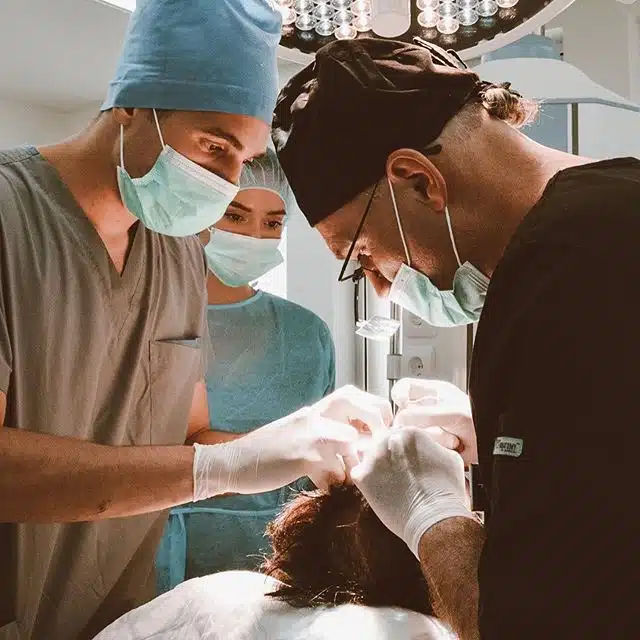
Hair loss is a common concern for many men, impacting not only their appearance but also their confidence and self-esteem. Advances in medical technology have made hair transplant procedures a highly effective and popular solution for restoring a fuller, natural-looking head of hair. Whether you’re just beginning to notice thinning hair or have experienced significant hair loss, understanding the different types of hair transplants, the latest techniques, and how to choose the right clinic can guide you towards a successful transformation. This article explores the best hair transplant options for men, highlighting key factors to consider and offering expert recommendations to help you regain a youthful, confident look.
Understanding Hair Loss in Men
Before diving into hair transplant options, it’s important to understand the causes and patterns of hair loss in men. The most common form is androgenetic alopecia, or male pattern baldness, characterized by a receding hairline and thinning crown. Other factors such as stress, nutritional deficiencies, medical conditions, and certain medications can also contribute to hair thinning.
Common Patterns of Male Hair Loss
- Receding Hairline: Hair loss typically begins at the temples, gradually moving backward.
- Thinning Crown: The top of the scalp starts to thin, often leading to a bald spot.
- Diffuse Thinning: Hair thins evenly across the scalp.
Understanding your specific pattern helps determine the best hair transplant technique and design for natural results.
Types of Hair Transplant Procedures for Men
Hair transplant technology has evolved significantly, offering several effective techniques. The choice of method depends on individual hair characteristics, extent of hair loss, and personal preferences.
Follicular Unit Extraction (FUE)
FUE is currently the most popular and advanced hair transplant method. It involves extracting individual hair follicles from the donor area—usually the back or sides of the scalp—and implanting them into thinning or balding areas.
Advantages of FUE:
- Minimally invasive with tiny, almost invisible scars
- Faster healing and less post-operative discomfort
- Natural-looking results due to precise follicle placement
- Suitable for men who prefer short hairstyles
Follicular Unit Transplantation (FUT)
Also known as the strip method, FUT involves removing a thin strip of scalp from the donor area, which is then dissected into individual follicular units for transplantation.
Advantages of FUT:
- Allows transplantation of a large number of grafts in a single session
- Cost-effective for extensive hair loss
- High graft survival rate
Considerations: The procedure leaves a linear scar, which may be visible with very short haircuts.
Robotic Hair Transplantation
Robotic systems assist surgeons by automating the extraction and placement of hair follicles, enhancing precision and reducing procedure time.
Benefits:
- Improved accuracy and consistency
- Less human error
- Quicker recovery
Key Factors to Consider When Choosing a Hair Transplant
Selecting the right hair transplant procedure and clinic is crucial for achieving the best results. Here are essential considerations:
1. Experience and Expertise of the Surgeon
A highly skilled surgeon with extensive experience in hair restoration ensures natural-looking results with minimal complications. Look for board certifications, patient testimonials, and before-and-after galleries.
2. Customized Treatment Plans
Every patient’s hair loss pattern, hair characteristics, and goals are unique. Clinics that offer personalized treatment plans are more likely to deliver satisfactory outcomes.
3. Quality of Donor Hair
The availability and quality of donor hair directly affect the success of a hair transplant. Good candidate selection is key, especially for men with extensive balding.
4. Post-Operative Care and Support
Proper aftercare is vital for graft survival and healing. Choose clinics that provide comprehensive post-surgery guidance and follow-up support.
Innovative Techniques Enhancing Hair Transplant Success
The hair restoration field continues to innovate, improving graft survival and aesthetic outcomes.
Platelet-Rich Plasma (PRP) Therapy
Often combined with hair transplants, PRP therapy uses the patient’s own blood platelets to stimulate hair follicles and enhance healing.
Stem Cell Therapy
Emerging treatments involve stem cells to promote hair regrowth and improve follicle health, though these are still under clinical evaluation.
Why Choose Akaki Tsilosani Hair Transplant Institute?
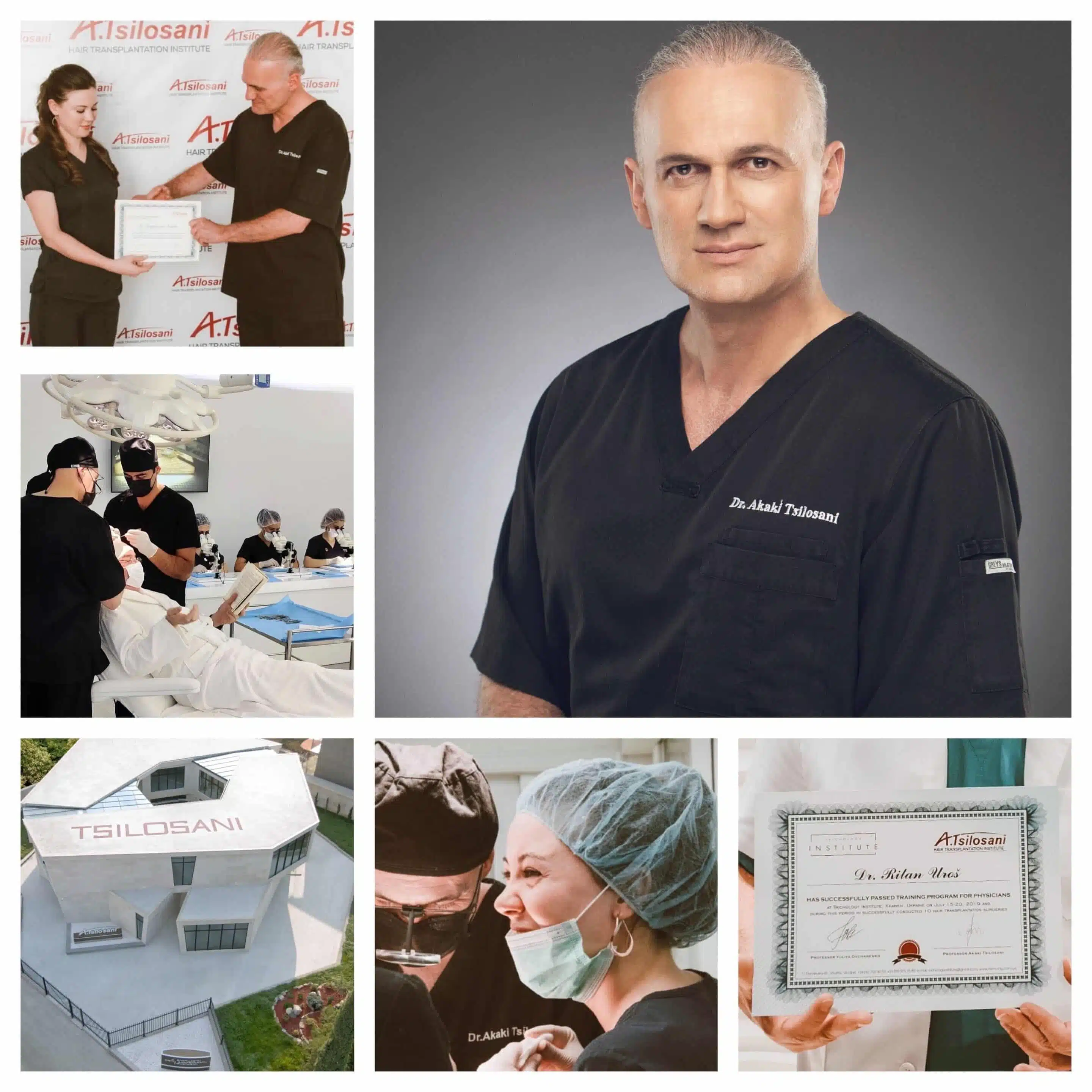
For men seeking expert hair restoration, the Akaki Tsilosani Hair Transplant Institute stands out as a premier choice. Renowned for its advanced techniques and personalized care, the clinic offers a comprehensive approach to hair transplantation.
What Makes Akaki Tsilosani Institute a Great Alternative?
- Multinational Presence: The clinic operates in diverse locations, including Georgia, Ukraine, the Czech Republic, Dubai, and more, making it accessible to a wide range of patients.
- Experienced Team: Skilled surgeons employ cutting-edge methods like FUE and robotic-assisted transplants for optimal results.
- Patient-Centric Approach: Customized treatment plans tailored to individual needs and hair loss patterns.
- Comprehensive Services: From initial consultation to post-operative care, the institute ensures a seamless and supportive experience.
Preparing for Your Hair Transplant
Proper preparation enhances the success of your hair transplant procedure.
- Consultation: Discuss your expectations, medical history, and hair loss pattern with your surgeon.
- Health Assessment: Ensure you are in good health; some medications or conditions may affect surgery.
- Avoid Smoking and Alcohol: Both can impair healing and graft survival.
- Follow Pre-Operative Instructions: Clinics typically advise on hair washing, medication, and diet before surgery.
Post-Transplant Care for Optimal Results
After the transplant, following your surgeon’s recommendations is crucial for graft survival and hair growth.
Essential Post-Operative Tips
- Gentle Hair Care: Avoid harsh shampoos and vigorous washing during the initial weeks.
- Avoid Sun Exposure: Protect your scalp from direct sunlight to prevent damage.
- Medications and Supplements: Use prescribed antibiotics and hair growth stimulants as directed.
- Monitor for Complications: Contact your clinic if you experience excessive redness, swelling, or pain.
- Patience: New hair growth typically begins 3-4 months post-surgery, with full results visible after 12-18 months.
Additional Tips to Maintain Healthy Hair
Complement your hair transplant with healthy lifestyle habits to sustain and enhance your hair’s appearance:
- Balanced Diet: Rich in vitamins and minerals essential for hair health, such as biotin, zinc, and iron.
- Regular Scalp Massage: Improves blood circulation to hair follicles.
- Stress Management: Chronic stress can accelerate hair loss.
- Avoid Excessive Heat and Chemical Treatments: Reduce damage to hair shafts and follicles.
Conclusion: Your Journey to a Fuller, Confident Look
Choosing the best hair transplant for men involves understanding your unique hair loss pattern, exploring advanced surgical techniques, and partnering with a reputable clinic that prioritizes your individual needs. With options like FUE, FUT, and robotic-assisted procedures, combined with innovative therapies such as PRP, achieving natural, long-lasting results is more attainable than ever. The Akaki Tsilosani Hair Transplant Institute exemplifies excellence in hair restoration, providing expert care across multiple locations and ensuring a personalized approach to your transformation. Embark on your path to renewed confidence and a fuller head of hair by making informed decisions and embracing the latest advancements in hair transplantation.