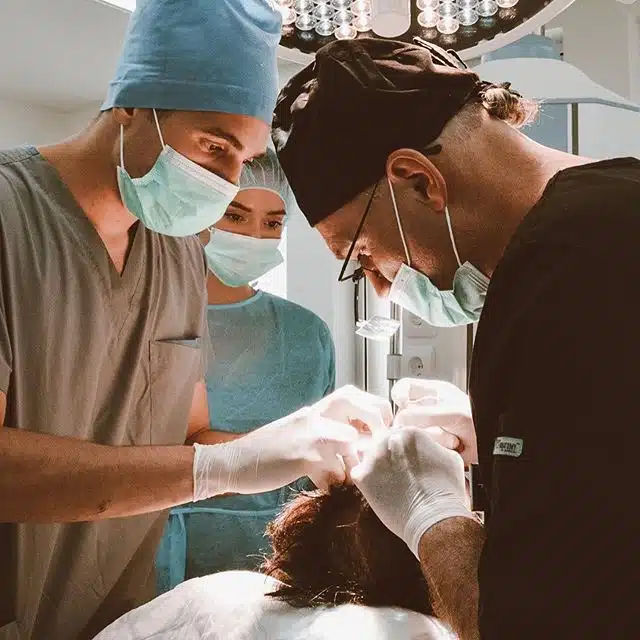
Moustache Transplant: An In-Depth Guide to Restoring Facial Hair
Introduction
Facial hair in men has always been a symbol of masculinity, virility, and style. In recent years, the moustache has made a grand comeback, becoming a popular trend among men of all ages. However, not everyone is blessed with a thick and full moustache. For those struggling with moustache growth or facial hair loss, a moustache transplant may be the solution.
What is a Moustache Transplant?
A moustache transplant, also known as facial hair transplant, is a surgical procedure that involves extracting hair follicles from one area of the body (usually the back of the scalp) and transplanting them into the moustache area. This process stimulates the growth of new, natural, and permanent facial hair.
Why Consider a Moustache Transplant?
There could be various reasons why one might opt for a moustache transplant, including:
- Genetics: Some men are genetically predisposed to have sparse facial hair growth.
- Hormonal Imbalance: Fluctuating hormone levels could hinder facial hair growth.
- Scarring: Injuries or accidents may result in facial scarring, leading to patchy moustache growth.
- Alopecia Areata: An autoimmune disorder that causes hair loss on the face and other parts of the body.
- Personal Preference: Some men desire a fuller, thicker, shapelier moustache to boost their self-confidence and improve their appearance.
The Moustache Transplant Procedure
A moustache transplant generally involves two main techniques: Follicular Unit Extraction (FUE) and Follicular Unit Transplantation (FUT). Let’s explore these methods in detail.
- Follicular Unit Extraction (FUE): In this minimally invasive technique, individual hair follicles are extracted from the donor site, usually the back of the scalp, and transplanted to the moustache area. FUE leaves minimal scarring and has a faster recovery time.
- Follicular Unit Transplantation (FUT): This method involves removing a strip of skin from the donor area, dissecting it into individual follicular units, and implanting them in the desired moustache region. FUT may leave a linear scar but is considered to be more cost-effective and suitable for people who require a high number of grafts.
What to Expect During the Procedure
Here’s a breakdown of what you can expect during a moustache transplant:
- Consultation: The first step is a thorough assessment of your facial hair growth pattern, identification of donor areas, and discussion of your desired moustache shape and thickness.
- Preparation: Your surgeon will prepare and numb the donor area using local anesthesia before the procedure.
- Extraction: The surgeon will extract individual hair follicles or a strip of skin with hair follicles from the donor site, depending on the chosen method.
- Preparation of Grafts: The extracted follicles or strip will be prepared into individual grafts under a microscope.
- Implantation: The surgeon will create small incisions in the mustache area and carefully insert the extracted grafts.
- Post-Procedure Care: The surgeon will provide you with detailed instructions for post-operative care to ensure a successful recovery.
The City of Hair Transplants
One city that has established itself as a hub for hair transplant procedures is Istanbul, Turkey. This vibrant and cultural city has expert surgeons, state-of-the-art equipment, and affordable prices, making it the go-to destination for people from around the world.
Recovery and Results
The recovery process after a moustache transplant generally takes a few weeks. It is normal to experience some mild redness, swelling, and itching in the treated area. Most patients see significant hair growth in the moustache area after 4-6 months, with full results visible within 8-12 months.
Potential Risks and Complications
As with any surgical procedure, a moustache transplant comes with certain risks and potential complications, such as:
- Infection: Proper post-operative care and hygiene can minimize this risk.
- Scarring: FUT may leave a linear scar, while FUE may leave tiny dots, which are generally not noticeable.
- Failure of Grafts: In rare cases, the transplanted grafts may not grow as expected.
- Transient Hair Loss: Temporary hair loss in the donor area is possible but usually resolves on its own.
Conclusion
A moustache transplant is a safe and effective way to achieve a fuller, natural-looking moustache for those who struggle with facial hair growth. With appropriate research and consultation with an experienced surgeon, a moustache transplant can be a life-changing experience.
FAQs
- Q: Can women undergo a moustache transplant? A: While moustache transplants are primarily designed for men, women who wish to have facial hair for personal or medical reasons can potentially undergo the procedure. However, it is crucial to consult an experienced surgeon who understands the specifics of facial hair growth in females.
- Q: How long does a moustache transplant take? A: The duration of the procedure depends on the number of grafts required and the chosen method (FUE or FUT). Typically, a moustache transplant takes about 4-8 hours.
- Q: Will the transplanted hair fall out after some time? A: Once the transplanted grafts establish themselves in the recipient site, the hair growth will be permanent. However, a shedding phase may occur within the first few weeks, which is normal and temporary. The new hair growth will eventually be permanent and blend seamlessly with your existing facial hair.