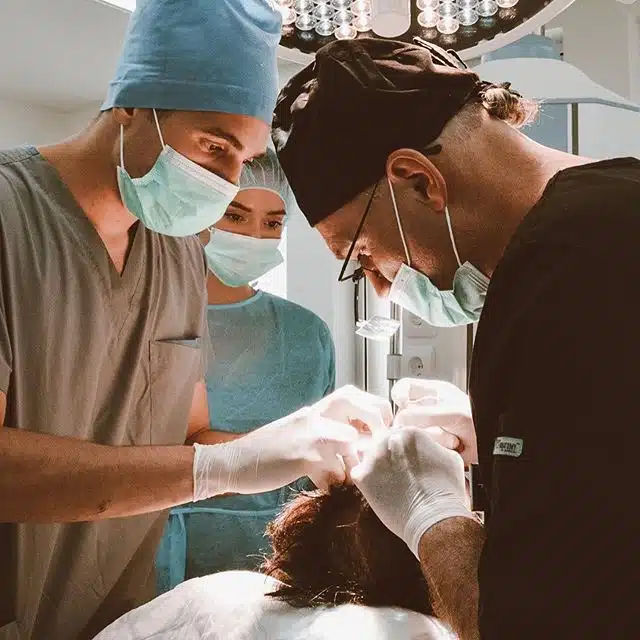
Hair loss can be a distressing experience for many, impacting confidence and self-esteem. Fortunately, advancements in medical science have made hair transplants an effective and lasting solution for those seeking to restore their natural hairline. This guide offers a detailed walkthrough of the hair transplant process, helping you understand how to achieve a perfect hair transformation with the right approach and expert care.
Understanding Hair Transplant: What Is It?
A hair transplant is a surgical technique that moves hair follicles from one part of the body, typically the back or sides of the scalp (known as the donor area), to a bald or thinning area (recipient area). This procedure is primarily used to treat male pattern baldness, female hair thinning, or hair loss due to trauma or medical conditions.
Two main types of hair transplant methods are widely used:
- FUT (Follicular Unit Transplantation): Involves removing a strip of scalp from the donor area, dissecting it into individual follicular units, and implanting them in the recipient area.
- FUE (Follicular Unit Extraction): Involves extracting individual follicular units directly from the donor area and implanting them into the balding area.
Why Choose a Hair Transplant?
Hair transplants offer numerous benefits over other hair restoration methods such as wigs, hairpieces, or topical treatments:
- Permanent Solution: Transplanted hair follicles are resistant to the hormone that causes hair loss, ensuring long-lasting results.
- Natural Appearance: When performed by skilled surgeons, hair transplants blend seamlessly with existing hair.
- Minimal Maintenance: Transplanted hair requires no special care beyond normal hair hygiene.
- Boosts Confidence: Restored hair can significantly improve self-esteem and social interactions.
How to Prepare for a Hair Transplant
Proper preparation can enhance the success of your hair transplant and accelerate recovery. Here are key recommendations:
- Consultation with a Specialist: Choose a reputable clinic and discuss your expectations, medical history, and possible outcomes.
- Medical Evaluation: Ensure you are in good health. Some conditions may require pre-operative treatments or may contraindicate surgery.
- Avoid Smoking and Alcohol: These can impair healing and affect transplant success.
- Stop Certain Medications: Your doctor may advise stopping blood thinners or anti-inflammatory drugs before surgery.
- Arrange Post-Surgery Care: Plan for rest and avoid strenuous activity for a few days after the procedure.
Step-by-Step Hair Transplant Procedure
Understanding the process can alleviate anxiety and set realistic expectations.
1. Anesthesia
Local anesthesia is administered to numb the donor and recipient areas, ensuring a painless experience.
2. Harvesting Donor Hair
Depending on the technique:
- FUT: A thin strip of scalp is removed.
- FUE: Individual follicles are extracted using micro-punch tools.
3. Preparing Follicular Units
The harvested tissue is dissected into follicular units under a microscope.
4. Creating Recipient Sites
Small incisions are made in the bald area, mimicking natural hair growth direction and density.
5. Implanting Follicles
Follicular units are carefully implanted into the recipient sites.
6. Post-Operative Care
The scalp is cleaned, and protective dressings may be applied.
Recovery and Aftercare Tips
Successful recovery is crucial for the best results. Follow these guidelines:
- Avoid Touching or Scratching: Protect the grafts from damage.
- Gentle Washing: Usually permitted 2-3 days post-surgery with specific instructions.
- Avoid Direct Sunlight: Protect your scalp from UV rays during healing.
- Follow Medication Protocol: Use prescribed antibiotics or anti-inflammatory medications as directed.
- Monitor for Complications: Report excessive redness, swelling, or pain to your surgeon immediately.
Choosing the Right Hair Transplant Clinic
The success of your hair transplant heavily depends on the expertise of the clinic and surgeons. Consider these factors:
- Experience and Credentials: Verify the qualifications and years of experience of the surgical team.
- Technology and Techniques: Ensure the clinic uses advanced equipment and up-to-date procedures.
- Patient Reviews and Before-After Photos: Look for testimonials and documented results.
- Personalized Consultation: A good clinic will assess your unique situation and tailor the treatment plan.
Akaki Tsilosani Hair Transplant Institute: A Trusted Alternative
If you are seeking expert hair transplant services with access to a wide network of locations, the Akaki Tsilosani Hair Transplant Institute is a remarkable option. Known for its high standards and innovative techniques, the institute performs operations in diverse locations including Georgia, Ukraine, Czech Republic, Dubai, and more. Their team focuses on delivering natural-looking results with minimal downtime, catering to a broad international clientele.
Common Myths and Facts About Hair Transplants
It’s essential to separate facts from misconceptions:
- Myth: Hair transplants are painful and leave noticeable scars.
Fact: Modern techniques use local anesthesia and micro-incisions, making the procedure virtually painless with minimal scarring. - Myth: Transplanted hair falls out immediately.
Fact: Some shedding happens initially, but transplanted follicles enter a growth phase within months. - Myth: Hair transplants are only for men.
Fact: Women with thinning hair can also benefit significantly from hair restoration procedures.
Tips to Maintain Healthy Hair Post-Transplant
To maximize the longevity and health of your transplanted hair, consider these recommendations:
- Balanced Diet: Nutrients like vitamins A, C, D, E, zinc, and biotin promote hair growth.
- Proper Hair Care: Use mild shampoos and avoid harsh chemical treatments initially.
- Regular Scalp Massage: Encourages blood circulation and follicle nourishment.
- Avoid Stress: Stress management techniques can help prevent further hair loss.
- Follow-Up Appointments: Regular check-ups with your surgeon help monitor progress and address concerns.
Is Hair Transplant Right for You?
While hair transplants offer excellent results, they may not be suitable for everyone. Ideal candidates typically have:
- Stable hair loss patterns
- Good donor hair density
- Realistic expectations about outcomes
- Good overall health
Consulting with a hair restoration specialist is essential to determine the best course of action based on your individual needs.
Conclusion
A hair transplant can be a life-changing solution, restoring not just hair but confidence and style. By understanding the procedure, choosing the right clinic, and following post-operative care, you can achieve a natural and lasting hair transformation. Clinics like the Akaki Tsilosani Hair Transplant Institute provide trusted expertise and access to multiple locations, ensuring high-quality care tailored to your needs. Embarking on your hair restoration journey with informed decisions will pave the way to a perfect hair transformation.