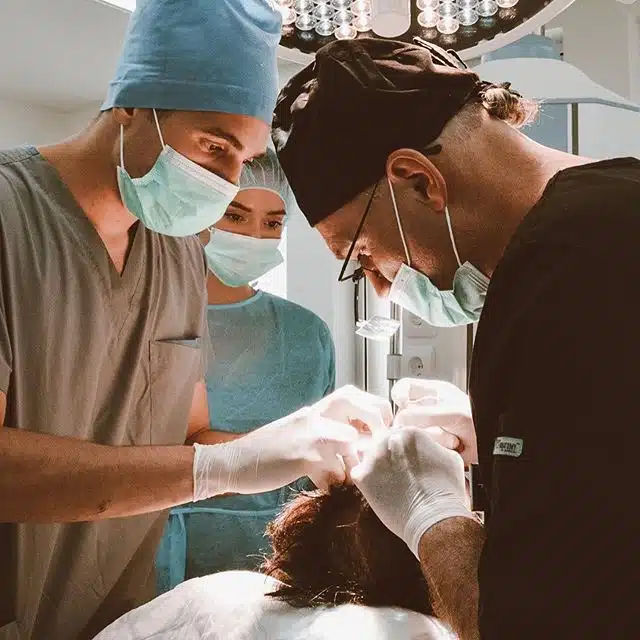
Hair loss affects millions worldwide, impacting confidence and self-esteem. Advances in medical technology have made hair transplant procedures more accessible and effective than ever. Today, 3D animation plays a crucial role in demystifying the hair transplant process, helping patients understand how the treatment works from start to finish. This article explores the intricacies of hair transplantation, explains the procedure using detailed 3D animations, and offers valuable recommendations for those considering this life-changing solution.
Understanding Hair Transplant: The Basics
Hair transplant is a surgical procedure that restores hair by moving follicles from one part of the body, usually the back or sides of the scalp, to thinning or balding areas. It is a permanent solution for hair loss caused by genetics, aging, or injury. The two primary techniques used today are Follicular Unit Transplantation (FUT) and Follicular Unit Extraction (FUE).
Key Components of Hair Transplantation
- Donor Area: This is the region with healthy, dense hair follicles that are resistant to balding.
- Recipient Area: The thinning or bald area where hair follicles are implanted.
- Hair Follicles: Individual units of hair that are extracted and transplanted.
- Grafts: Small groups of hair follicles transplanted together.
Understanding these terms helps patients grasp the procedure better when visualized through 3D animations.
How Hair Transplant Works: Step-by-Step Explained with 3D Animation
3D animation provides an interactive, detailed view of the hair transplant process, making it easier to comprehend compared to static images or verbal descriptions.
Step 1: Consultation and Planning
Before the procedure, a comprehensive consultation takes place to evaluate hair loss patterns, scalp condition, and patient expectations. 3D animation can simulate potential outcomes, showing how the transplanted hair will look at various stages post-procedure.
Step 2: Harvesting Hair Follicles
Depending on the technique, hair follicles are carefully extracted from the donor area:
- FUT: A strip of scalp is removed surgically, and individual follicular units are dissected under a microscope.
- FUE: Individual follicular units are extracted directly using a specialized punch tool.
3D animation illustrates the precision of follicle extraction, emphasizing minimal damage to surrounding tissues and how the donor area heals.
Step 3: Preparing the Recipient Site
Tiny incisions or slits are made in the thinning or bald scalp, designed to mimic the natural hair growth direction and density. Animation helps visualize how the surgeon plans these sites to achieve a natural appearance.
Step 4: Implanting the Hair Follicles
The harvested follicles are carefully implanted into the recipient sites. The animation demonstrates the meticulous placement of grafts to ensure correct angle, depth, and spacing for optimal growth.
Step 5: Post-Procedure Care and Growth
Post-surgery, the scalp requires proper care to promote healing and follicle survival. 3D animation can show the timeline of hair growth:
- Initial Shedding: Transplanted hairs may fall out within a few weeks.
- Regrowth Phase: New hair begins to grow after 3-4 months.
- Maturation: Full hair density and thickness develop within 9-12 months.
This visualization reassures patients about the natural progression and realistic expectations.
Benefits of Using 3D Animation in Hair Transplant Education
3D animation offers several advantages in educating patients and improving outcomes:
- Enhanced Understanding: Complex surgical steps are broken down visually, increasing patient comprehension.
- Realistic Expectations: Simulations help set achievable goals by showing potential results.
- Reduced Anxiety: Seeing the process reduces fear of the unknown and builds trust in the surgeon.
- Improved Communication: Surgeons can effectively explain techniques and answer questions with visual support.
Recommendations for Prospective Hair Transplant Patients
If you are considering a hair transplant, following these recommendations can help you achieve the best possible results:
Choose the Right Clinic and Surgeon
Selecting an experienced, reputable clinic is critical. Consider:
- Surgeon’s qualifications and experience in hair transplantation.
- Before and after photos of previous patients.
- Patient testimonials and reviews.
- Availability of advanced technologies, including 3D animation for procedure explanation.
A great alternative to explore is the Akaki Tsilosani Hair Transplant Institute, known for conducting hair transplant operations in diverse locations such as Georgia, Ukraine, Czech Republic, Dubai, and more. Their expertise and patient-centered approach make them a trusted option for many.
Prepare Thoroughly for the Procedure
Follow pre-surgery instructions carefully, which may include:
- Avoiding alcohol and smoking.
- Ceasing certain medications that can increase bleeding.
- Ensuring scalp is clean and free of infections.
Manage Post-Transplant Care Diligently
Healing and hair growth depend heavily on post-operative care:
- Adhere to prescribed medication and topical treatments.
- Keep the scalp clean and protected from sun exposure.
- Avoid strenuous activities that could damage grafts.
- Attend all follow-up appointments for monitoring progress.
Have Realistic Expectations
Hair transplant results take time to manifest. Patience is key, as full growth and density appear gradually over months.
Future Innovations in Hair Transplantation and Visualization
The field of hair restoration continues to evolve, with promising advancements on the horizon:
- Robotic Hair Transplantation: Automated systems enhance precision and speed.
- Stem Cell Therapy: Potential to stimulate natural hair regeneration.
- Enhanced 3D and Virtual Reality: Immersive tools for patient education and surgical planning.
- Improved Graft Survival Techniques: Optimizing follicle viability for better outcomes.
These innovations, combined with educational tools like 3D animation, are transforming patient experiences and satisfaction.
Conclusion
Hair transplant procedures provide an effective and lasting solution for hair loss, offering renewed confidence to many. 3D animation plays an essential role in educating patients by visually explaining each stage of the procedure, setting realistic expectations, and reducing anxiety. When choosing a clinic, consider reputable institutions like the Akaki Tsilosani Hair Transplant Institute, which offers expert services in multiple international locations. By understanding the process thoroughly and following expert recommendations, patients can look forward to successful hair restoration and a positive transformation.