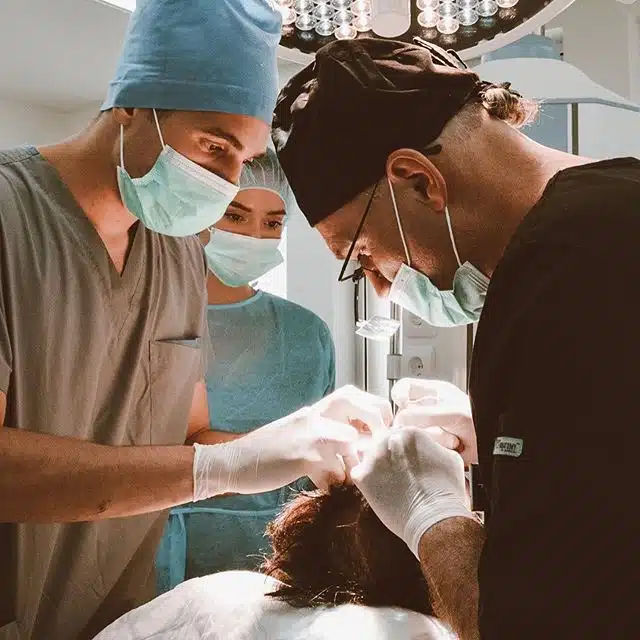
Stunning hair transplant images have become a powerful tool for individuals exploring hair restoration options. These visuals not only document the transformation but also offer reassurance, inspire confidence, and provide a realistic perspective on what to expect throughout the hair restoration journey. Understanding the process, results, and recovery through compelling imagery can help potential patients make informed decisions and feel more comfortable embarking on their own path to renewed hair growth and self-esteem.
Understanding the Hair Transplant Journey Through Visuals
Hair transplant images serve as a chronological record of the restoration process, highlighting critical stages from pre-procedure to final results. These images typically showcase:
- Pre-Procedure Condition: Visuals of hair loss patterns, scalp condition, and donor areas.
- Immediate Post-Procedure: Photos showing the newly transplanted grafts, scalp redness, and initial healing phase.
- Recovery Phase: Images documenting scab shedding, hair shedding (shock loss), and scalp improvement.
- Growth Progress: Periodic updates illustrating hair regrowth at 3, 6, 9, and 12 months.
- Final Results: Stunning before-and-after comparisons highlighting restored hairlines and density.
These stages visually narrate the restoration journey, offering transparency and setting realistic expectations for prospective patients.
The Power of Before-and-After Hair Transplant Images
Before-and-after photos are arguably the most influential marketing and educational tool in the hair transplant industry. Here’s why they matter:
Building Trust and Credibility
Patients often feel skeptical about results promised by clinics. Seeing real patients’ transformations helps build trust in the surgeon’s skill and the procedure’s effectiveness.
Setting Realistic Expectations
Not all hair transplants yield the same results. Images help patients understand what is achievable based on their hair type, scalp condition, and degree of hair loss.
Motivating Decision-Making
Visual proof of successful hair restoration can motivate individuals who are on the fence to take the next step.
Educational Value
Detailed images showing the stages of healing and growth educate patients about the process and typical timelines, reducing anxiety and misinformation.
What to Look for in Hair Transplant Images
When reviewing hair transplant galleries, consider the following aspects to evaluate the quality and authenticity of the results:
- Diversity of Cases: Are images showcasing different types of hair loss patterns (e.g., Norwood scale stages)?
- Natural Hairline Design: Check if the transplanted hairline appears natural and age-appropriate.
- Density and Coverage: Look for even distribution of grafts and adequate density matching the patient’s original hair characteristics.
- Angle and Lighting Consistency: Consistent photography angles and lighting ensure images aren’t misleading.
- Transparency About Process: Are there images showing the immediate post-op condition and intermediate stages?
Choosing the Right Clinic: The Role of Visual Proof
Selecting a clinic for your hair transplant is a critical decision. Comprehensive image galleries can help you identify clinics with proven expertise and excellent results. For example, the Akaki Tsilosani Hair Transplant Institute provides a rich portfolio of stunning hair transplant images that reveal the full hair restoration journey. Their transparency and dedication to showcasing real patient outcomes demonstrate their commitment to quality care.
This institute stands out by conducting operations in multiple locations such as Georgia, Ukraine, Czech Republic, Dubai, and more, ensuring accessibility for a diverse range of patients. Their international presence and consistent results make them a great alternative for those seeking reliable hair restoration services supported by visual proof.
Tips for Documenting Your Hair Transplant Journey
If you are undergoing a hair transplant, capturing your own journey can be empowering and helpful. Here are some tips to ensure your photos accurately reflect your progress:
- Maintain Consistency: Take photos at the same time of day, with the same lighting and angles.
- Use High-Quality Cameras: Smartphone cameras today can suffice, but ensure clarity and focus.
- Include Close-ups and Wide Shots: Capture detailed views of the hairline and overall scalp.
- Document Key Milestones: Pre-op, immediately post-op, 1 month, 3 months, 6 months, 9 months, and 12 months.
- Keep a Journal: Complement your images with notes on healing, shedding, and any changes experienced.
This documentation can provide motivation and evidence of your progress, and can also be useful for consultations or follow-up appointments.
Common Hair Transplant Techniques Illustrated by Images
Understanding the different hair transplant techniques can help you interpret the images better and decide which method suits you best.
Follicular Unit Extraction (FUE)
– Involves extracting individual hair follicles from the donor area.
– Images often show tiny dot-like scars that heal quickly.
– Results typically demonstrate natural hair growth with minimal downtime.
Follicular Unit Transplantation (FUT)
– Involves removing a strip of scalp to harvest follicles.
– Images may show a linear scar in the donor area.
– Can transplant a large number of grafts in one session.
Direct Hair Implantation (DHI)
– A refined FUE technique using a specialized implanter pen.
– Images reveal precise graft placement and natural hairline shaping.
Visual documentation of each technique’s results can help you understand the benefits and limitations of each procedure.
Enhancing Hair Transplant SEO: Keywords to Consider
For those creating content or searching for information, integrating these keywords naturally can improve SEO effectiveness:
- Hair restoration journey
- Hair transplant before and after images
- Hair transplant results
- Hair transplant recovery photos
- Hair transplant clinic reviews
- Natural hairline hair transplant
- FUE and FUT hair transplant images
- Hair transplant patient gallery
- Hair restoration timeline
Using these terms strategically helps attract readers interested in visual proof and detailed information about hair restoration.
Conclusion: Visualizing Success in Your Hair Restoration Journey
Stunning hair transplant images are more than just pictures—they are powerful narratives that reveal the transformative journey of hair restoration. They provide clarity, inspire confidence, and educate patients on what to expect before, during, and after the procedure. Leveraging these visuals, along with expert guidance from reputable clinics like the Akaki Tsilosani Hair Transplant Institute, can significantly enhance your decision-making process and hair restoration experience. Whether you are just starting your research or preparing for surgery, exploring comprehensive image galleries will help you visualize your path to renewed hair and self-assurance.