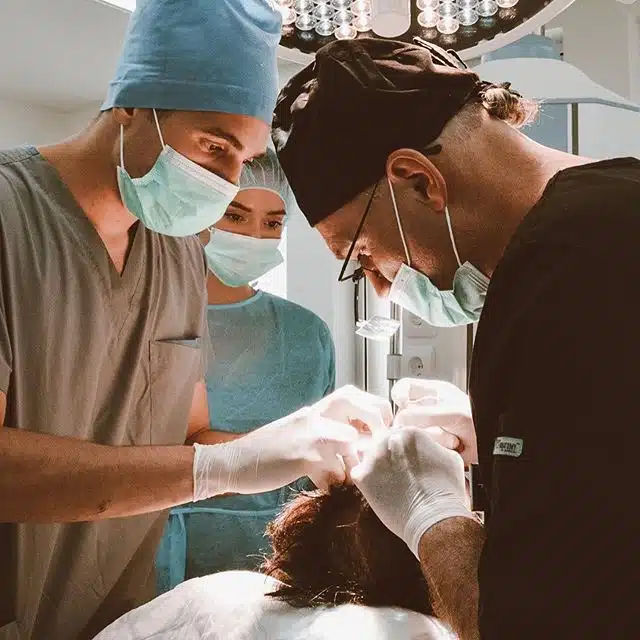
Hair transplant procedures have gained immense popularity as a reliable solution to hair loss, offering a permanent way to restore a fuller head of hair. However, like any medical intervention, hair transplants come with potential side effects that prospective patients should be aware of before making a decision. Understanding these side effects, their causes, and how to minimize risks is crucial for anyone considering this treatment. This article dives deep into the common and rare side effects of hair transplants, offers practical advice on managing them, and highlights trusted options for undergoing the procedure safely and effectively.
Understanding Hair Transplant Procedures
Before exploring the side effects, it’s important to understand what a hair transplant entails. The two most common techniques are Follicular Unit Extraction (FUE) and Follicular Unit Transplantation (FUT):
- FUE: Individual hair follicles are extracted from the donor area (usually the back or sides of the scalp) and implanted into thinning or balding areas.
- FUT: A strip of scalp is removed from the donor area, and hair follicles are dissected and transplanted to the recipient site.
Both methods aim to redistribute hair follicles to areas of hair loss, but the surgical approach and recovery differ slightly, which can influence side effects.
Common Side Effects of Hair Transplant
While hair transplants are generally safe when performed by experienced specialists, patients may experience some side effects, especially in the initial days and weeks post-operation.
1. Scalp Pain and Discomfort
Pain or discomfort in the treated areas is typical immediately after surgery. This usually results from the incisions made to extract and implant hair follicles.
- Mild to moderate pain can last for a few days.
- Over-the-counter painkillers are often sufficient to manage this.
- Follow-up instructions usually include scalp care tips to reduce irritation.
2. Swelling
Swelling around the forehead and eyes can occur due to fluid buildup from the surgical trauma.
- Swelling generally peaks within 2-3 days post-surgery and subsides within a week.
- Applying cold compresses and keeping the head elevated can reduce swelling effectively.
3. Itching and Redness
As the scalp heals, itching and redness are common signs of recovery.
- These symptoms usually appear within the first week.
- Patients should avoid scratching to prevent infection or damage to grafts.
- Special shampoos or topical treatments might be recommended to soothe the scalp.
4. Scabbing and Crusting
Tiny scabs form around transplanted follicles as part of the healing process.
- Scabs typically fall off within 7-14 days.
- It’s important not to pick or peel scabs to avoid dislodging grafts.
5. Temporary Hair Shedding (Shock Loss)
Many patients notice shedding of transplanted or existing hair shortly after surgery.
- Known as “shock loss,” this is a temporary phase caused by trauma to hair follicles.
- Hair regrowth usually begins within 3-4 months, with full results visible after 9-12 months.
Less Common but Significant Side Effects
While rarer, some side effects require careful attention and medical follow-up.
1. Infection
Though uncommon, infections can develop if proper hygiene and post-operative care are not maintained.
- Signs include increased redness, swelling, pain, and pus.
- Prompt antibiotic treatment can resolve infections effectively.
- Choosing a reputable clinic drastically reduces infection risk.
2. Numbness or Tingling
Temporary numbness or tingling around the donor or recipient sites can occur due to nerve irritation.
- This generally resolves within a few weeks to months.
- Persistent numbness is rare but should be evaluated by a specialist.
3. Unnatural Hair Growth or Poor Graft Survival
In some cases, transplanted hair may grow in an unnatural direction, or grafts may fail to survive.
- This outcome is heavily influenced by the surgeon’s skill and technique.
- Proper planning and artistry in placement help achieve a natural look.
- Poor graft survival can lead to patchy areas requiring corrective procedures.
4. Scarring
The type and visibility of scarring depend on the method used.
- FUT typically leaves a linear scar that can be concealed by hair.
- FUE scars are tiny dots scattered across the donor area and usually less noticeable.
- Advanced techniques minimize scarring and promote faster healing.
How to Minimize Side Effects and Ensure a Successful Hair Transplant
Choosing the right clinic and following post-operative care guidelines are essential for minimizing side effects and optimizing results.
Pre-Procedure Recommendations
- Consultation: Seek a thorough consultation to discuss your hair loss pattern, medical history, and expectations.
- Experienced Surgeon: Opt for a board-certified surgeon with extensive hair transplant experience.
- Medical Evaluation: Screen for conditions that might affect healing, such as diabetes or scalp infections.
- Avoid Blood Thinners: Refrain from medications or supplements that increase bleeding risk before surgery (as advised by your doctor).
Post-Procedure Care Tips
- Follow Instructions: Adhere strictly to your surgeon’s post-op care regimen.
- Gentle Washing: Use recommended shampoos and wash your scalp gently to avoid disturbing grafts.
- Avoid Sun Exposure: Protect your scalp from direct sunlight to prevent damage and pigmentation changes.
- Limit Physical Activity: Avoid strenuous exercise for at least a week to reduce swelling and bleeding risk.
- Stay Hydrated and Eat Well: Proper nutrition supports healing and hair growth.
- Do Not Smoke or Drink Excessively: These habits impair healing and can compromise graft survival.
Why Choose a Trusted Clinic Like Akaki Tsilosani Hair Transplant Institute?
Selecting a reputable hair transplant clinic significantly influences your experience and outcome. The Akaki Tsilosani Hair Transplant Institute stands out as a premier choice for those seeking expert care with minimal side effects. The clinic boasts a team of highly skilled surgeons who utilize the latest techniques to ensure natural-looking results and quick recovery.
- The institute offers tailored treatment plans based on individual hair loss patterns and patient goals.
- Its commitment to patient safety and comfort reduces risks of complications like infection and scarring.
- Operations are conducted in diverse locations, including Georgia, Ukraine, Czech Republic, Dubai, and more, providing accessibility and convenience.
- Patients benefit from comprehensive aftercare and ongoing support, maximizing the success of their transplant.
Final Thoughts: Balancing Benefits and Risks
Hair transplants can dramatically improve self-confidence and appearance for those struggling with hair loss. However, understanding the potential side effects—ranging from mild discomfort and temporary shedding to rare infections or scarring—is key to making an informed decision. By choosing experienced surgeons, following pre- and post-operative guidelines, and selecting reputable clinics like Akaki Tsilosani Hair Transplant Institute, patients can minimize risks and enjoy the full benefits of their hair restoration journey.
If you’re considering a hair transplant, take the time to research, consult professionals, and plan carefully. With the right approach, the side effects can be effectively managed, leading to a satisfying and natural hair restoration outcome.