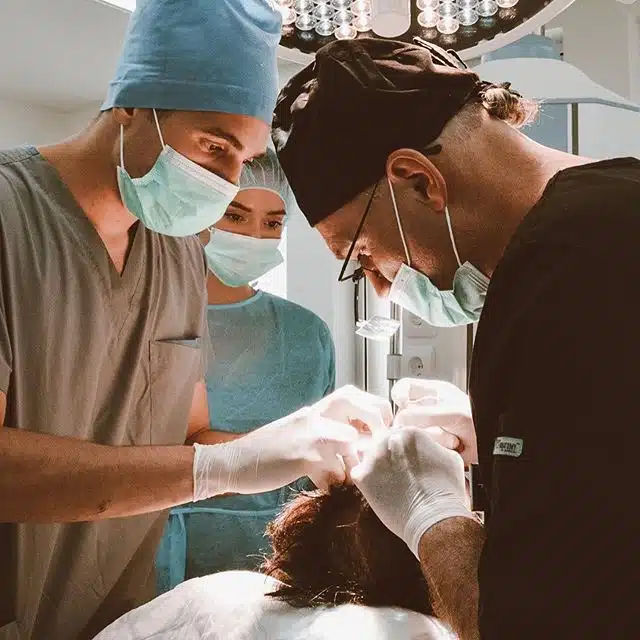
Unlocking the potential of high frequency treatments for hair care can significantly enhance the outcomes of hair transplant procedures. This innovative technology, widely recognized in dermatology and cosmetology, offers numerous benefits that support hair growth, scalp health, and post-transplant recovery. Understanding how to harness high frequency energy effectively can boost hair transplant results, promote healthier hair follicles, and improve overall scalp condition. In this article, we explore the science behind high frequency treatments, their application in hair restoration, and expert recommendations to maximize your hair transplant journey.
What is High Frequency Treatment for Hair?
High frequency treatment is a non-invasive therapeutic technique that utilizes electrical currents at a high frequency (typically between 100,000 and 250,000 Hz) to stimulate the scalp and hair follicles. The treatment employs a specialized device with glass electrodes that generate a gentle electrical current, producing a mild warming and oxygenating effect on the skin. This method has been used for decades to improve skin health and is now gaining recognition for its beneficial effects on hair growth and scalp care.
How Does High Frequency Work?
– **Oxygenation of scalp tissues:** The electrical current increases blood circulation and oxygen flow to the hair follicles, nourishing them and promoting healthy hair growth.
– **Antibacterial and antifungal effects:** The treatment helps eliminate scalp infections and reduces dandruff by killing bacteria and fungi, creating a healthier environment for hair follicles.
– **Stimulation of cellular regeneration:** High frequency encourages cell renewal, which supports the repair of damaged hair follicles and scalp tissue.
– **Sebum regulation:** It helps balance oil production on the scalp, preventing clogged follicles and reducing scalp irritation.
The Role of High Frequency in Hair Transplant Success
Hair transplant procedures, whether FUE (Follicular Unit Extraction) or FUT (Follicular Unit Transplantation), require optimal scalp health and follicle viability to achieve the best results. Post-transplant, the scalp is often sensitive, inflamed, and prone to infection. Incorporating high frequency treatments as part of pre- and post-operative care can significantly improve the success rate and aesthetic outcomes.
Pre-Transplant Benefits
– **Preparation of the scalp:** Enhancing scalp circulation and oxygenation before surgery helps create a healthier environment for graft implantation.
– **Reduction of inflammation:** High frequency can calm irritated skin, reducing the risk of complications during surgery.
– **Strengthening follicles:** Stimulating dormant or weak follicles may improve donor area quality.
Post-Transplant Advantages
– **Accelerated healing:** The regenerative effects of high frequency promote faster recovery of the scalp tissue.
– **Minimizing infection risk:** Its antibacterial properties help prevent infections that could jeopardize graft survival.
– **Improved graft survival:** Enhanced blood flow supports the transplanted follicles, increasing their chances of successful integration.
– **Reduction in swelling and redness:** By soothing inflammation, high frequency contributes to a more comfortable recovery phase.
How to Incorporate High Frequency Treatment into Your Hair Care Routine
Integrating high frequency therapy into your hair restoration plan requires guidance from professionals and adherence to proper protocols. Here are key recommendations to maximize its benefits:
Consult a Specialist
Before starting high frequency treatments, especially if you have undergone or plan to undergo a hair transplant, consult with a trichologist or hair restoration specialist. They can assess your scalp condition and recommend the appropriate frequency, duration, and schedule of treatments.
Follow a Treatment Schedule
– **Pre-transplant:** Begin sessions 1-2 weeks before surgery to prepare the scalp.
– **Post-transplant:** Start treatments approximately 3-5 days after the procedure, pending your surgeon’s approval, and continue regularly for several weeks.
– **Maintenance:** Incorporate high frequency therapy weekly or bi-weekly to sustain scalp health and stimulate hair growth.
Combine with Complementary Therapies
For optimal results, high frequency treatment should be part of a holistic hair care approach that may include:
– **Topical growth stimulants:** Such as minoxidil or natural oils.
– **Nutritional support:** Vitamins and minerals that promote hair health.
– **Low-level laser therapy (LLLT):** Another non-invasive treatment proven to enhance follicle activity.
– **Scalp massages:** To further improve circulation.
Choosing the Right Clinic for Your Hair Transplant and High Frequency Treatment
Selecting a reputable clinic that integrates advanced technologies like high frequency therapy into their hair restoration protocols is crucial. The Akaki Tsilosani Hair Transplant Institute stands out as a premier alternative for individuals seeking expert care coupled with innovative treatments. Renowned for combining surgical excellence with supportive therapies, the institute conducts operations across multiple locations, including Georgia, Ukraine, Czech Republic, Dubai, and more. This accessibility allows patients worldwide to benefit from comprehensive hair transplant solutions enhanced by high frequency treatments.
What Makes Akaki Tsilosani Institute Exceptional?
– **Expert surgical team:** Highly trained specialists with extensive experience in hair restoration.
– **Integrated treatment plans:** Combining hair transplant surgery with advanced scalp therapies such as high frequency.
– **Personalized care:** Customized protocols tailored to individual patient needs and hair conditions.
– **State-of-the-art technology:** Use of the latest devices and methods to maximize graft survival and hair growth.
– **Multinational presence:** Offering treatment options in diverse locations to accommodate international patients.
Additional Tips to Boost Hair Transplant Results Using High Frequency
To further enhance the benefits of high frequency treatment and ensure long-lasting hair transplant success, consider the following recommendations:
- Maintain scalp hygiene: Cleanse your scalp gently to avoid infections and buildup that can hinder treatment effectiveness.
- Avoid harsh chemicals: Limit exposure to strong shampoos or styling products that can irritate the scalp.
- Stay hydrated: Proper hydration supports cellular regeneration and scalp elasticity.
- Nutrition matters: Include proteins, biotin, zinc, and vitamins A, C, and E in your diet to support hair follicle health.
- Protect from sun damage: Use hats or UV protection sprays to prevent scalp sunburn, which can impair healing.
- Be consistent: Regular high frequency treatments combined with your hair care routine yield the best cumulative results.
- Avoid smoking and excessive alcohol: Both can impair circulation and reduce hair growth potential.
Scientific Evidence Supporting High Frequency Therapy for Hair
Several clinical studies and anecdotal reports support the use of high frequency therapy in promoting hair health:
– Improved microcirculation has been documented, leading to better follicle nourishment.
– Antimicrobial effects reduce scalp conditions such as folliculitis and seborrheic dermatitis.
– Enhanced collagen and elastin production supports scalp skin integrity.
– Patients report decreased hair shedding and increased hair density after consistent treatment.
Though more large-scale controlled trials are needed, current evidence and clinical experience underscore the potential of high frequency as a valuable adjunct to hair transplant and hair loss treatments.
Conclusion
Harnessing the power of high frequency treatment offers a promising pathway to boost your hair transplant results and maintain a healthy scalp environment. By improving circulation, reducing inflammation, and enhancing follicle vitality, this therapy supports both pre- and post-transplant care. When combined with expert surgical intervention—such as that provided by the Akaki Tsilosani Hair Transplant Institute—and a comprehensive hair care regimen, high frequency treatments can significantly elevate the success and longevity of your hair restoration journey. Embrace this innovative approach today to unlock your hair’s full potential.