Transform Your Look with Expert Hair Line Surgery Today!
Hair plays a crucial role in framing the face and enhancing one’s overall appearance. For many, a receding or uneven hairline can affect confidence and self-esteem. Hair line surgery offers a transformative solution by restoring natural hair density and a youthful hairline. This advanced procedure has evolved significantly, making it possible to achieve seamless, natural-looking results. Whether you’re dealing with hereditary hair loss, a high forehead, or simply want to refine your hairline shape, expert hair line surgery can rejuvenate your look and boost your confidence dramatically.
Understanding Hair Line Surgery: What It Is and How It Works
Hair line surgery, often part of hair transplant procedures, focuses specifically on reconstructing or lowering the hairline to create a more balanced and aesthetic appearance. Unlike general hair restoration, this surgery targets the frontal hairline, which is pivotal for facial harmony.
Techniques Used in Hair Line Surgery
Two primary techniques are used in hair line surgeries:
- Follicular Unit Transplantation (FUT): This method involves removing a strip of scalp from the donor area and dissecting it into individual follicular units for transplantation.
- Follicular Unit Extraction (FUE): A minimally invasive technique where individual hair follicles are extracted directly from the donor area and implanted into the recipient area.
Among these, FUE is highly favored for hair line surgery due to its precision, reduced scarring, and natural results.
Key Benefits of Hair Line Surgery
- Natural Appearance: Expert surgeons design and implant hair follicles mimicking your natural hair growth pattern.
- Permanent Results: Transplanted hair follicles are resistant to hair loss, providing long-lasting outcomes.
- Improved Facial Balance: A well-designed hairline enhances facial symmetry and youthfulness.
- Boosted Confidence: Restoring your hairline can significantly uplift self-esteem and social interactions.
Who is an Ideal Candidate for Hair Line Surgery?
Hair line surgery is suitable for a wide range of individuals experiencing hairline concerns, including:
- Men and women with receding hairlines or male/female pattern baldness.
- Individuals with a naturally high forehead seeking a lower or reshaped hairline.
- Those with uneven or asymmetrical hairlines due to genetics or previous surgeries.
- People wanting to correct hair loss caused by trauma or burns.
However, candidates should have healthy donor hair and be in good overall health to ensure optimal surgical results.
Preparing for Your Hair Line Surgery: Essential Tips
Proper preparation can enhance the success of your surgery and recovery. Consider the following recommendations:
- Consult with a Skilled Surgeon: Choose an expert specializing in hair line reconstruction. Their experience ensures natural hairline design and technique precision.
- Medical Evaluation: Undergo a thorough assessment including scalp condition, hair density, and medical history.
- Avoid Smoking and Alcohol: These can interfere with healing and graft survival.
- Follow Pre-Operative Instructions: Your surgeon may advise discontinuing certain medications or supplements that increase bleeding risk.
- Plan for Recovery: Arrange time off work and avoid strenuous activities post-surgery.
What to Expect During and After Hair Line Surgery
The Procedure
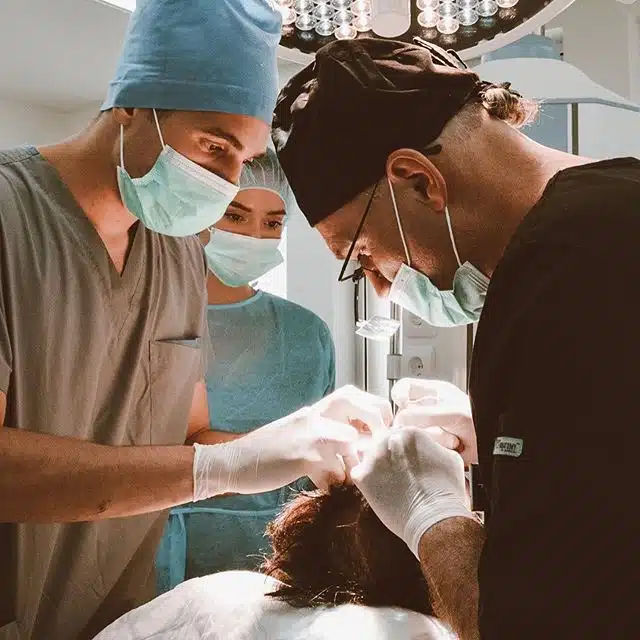
Hair line surgery is typically performed under local anesthesia, allowing patients to remain comfortable without general sedation. The surgeon designs a customized hairline based on your facial features and aesthetic goals. Using FUE or FUT techniques, follicular units are harvested and meticulously implanted in the frontal scalp area.
Post-Surgery Care and Recovery
Recovery is generally swift, but proper care is crucial:
- Swelling and Redness: Mild swelling around the forehead and redness at the graft sites are normal and subside within days.
- Shampooing: Gentle washing as per your surgeon’s instructions helps prevent infection.
- Avoid Sun Exposure: Protect your scalp from direct sunlight during the initial healing phase.
- Follow-Up Visits: Regular check-ups ensure graft survival and address any concerns.
- Hair Growth Timeline: New hair typically begins to grow within 3-4 months, with full results visible at 12 months.
Choosing the Right Clinic for Your Hair Line Surgery
Selecting a reputable clinic with proven expertise is vital for a successful outcome. Consider the following factors:
- Surgeon Credentials: Board-certified specialists with extensive experience in hair restoration.
- Advanced Techniques: Clinics offering the latest technologies such as FUE with robotic assistance or manual precision.
- Patient Reviews and Before-After Galleries: Real patient testimonials and documented results.
- Comprehensive Care: Personalized consultation, aftercare support, and follow-up services.
One excellent option to consider is the Akaki Tsilosani Hair Transplant Institute. Renowned for its expert surgical team and innovative procedures, the institute conducts operations across diverse locations, including Georgia, Ukraine, Czech Republic, Dubai, and more. Their commitment to natural-looking hairlines and patient satisfaction makes them a preferred choice for many seeking transformative hair line surgery.
Additional Recommendations for Maintaining a Healthy Hairline Post-Surgery
Maintaining your new hairline requires ongoing care. Here are some expert tips:
- Adopt a Balanced Diet: Nutrient-rich foods support hair health and regeneration.
- Use Gentle Hair Products: Avoid harsh chemicals that can damage hair follicles.
- Minimize Heat Styling: Excessive heat can weaken hair and lead to breakage.
- Manage Stress: High stress levels can trigger hair loss; practice relaxation techniques.
- Regular Scalp Massage: Stimulates blood flow and promotes healthy hair growth.
Common Myths and Facts About Hair Line Surgery
Myth 1: Hair Line Surgery Leaves Visible Scars
Fact: Modern techniques, especially FUE, leave minimal to no visible scarring due to small, precise follicle extraction.
Myth 2: Results Look Artificial
Fact: Skilled surgeons design hairlines that complement your facial features, ensuring natural and undetectable outcomes.
Myth 3: Hair Line Surgery Is Painful
Fact: Procedures are performed under local anesthesia with minimal discomfort during and after surgery.
Myth 4: Hair Transplants Are Only for Men
Fact: Both men and women benefit from hair line surgery to address various hair loss concerns.
Conclusion: Take the First Step Toward a Renewed Appearance
Expert hair line surgery offers a powerful way to reclaim a youthful, balanced, and confident look. With advancements in surgical techniques and skilled practitioners, natural and lasting results are achievable for anyone experiencing hairline issues. By choosing a reputable clinic like the Akaki Tsilosani Hair Transplant Institute and following expert recommendations, you can transform your appearance and enjoy the benefits of a rejuvenated hairline. Don’t wait to make that change — consult with a specialist today and embark on your journey to a stunning new look!