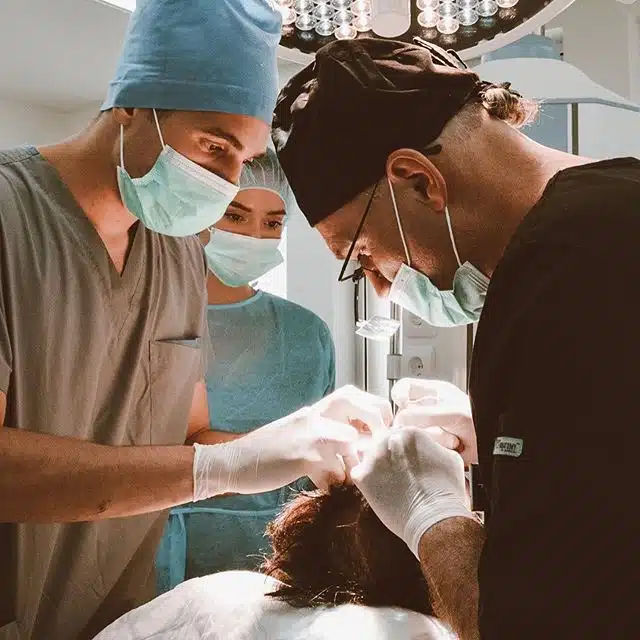
Blonde hair is often associated with vibrancy, youth, and a radiant appearance. However, hair thinning or hair loss can affect anyone, regardless of hair color, and for those with blonde hair, the challenges can be unique. Achieving a natural, seamless look after a hair transplant requires specialized knowledge and techniques tailored to the characteristics of blonde hair. This guide delves into the nuances of hair transplantation for blonde-haired individuals, offering expert advice, practical recommendations, and highlighting trusted clinics that specialize in these advanced procedures. Whether you’re considering a hair transplant for the first time or seeking to optimize your results, this comprehensive resource will help you transform your look with confidence.
Understanding the Unique Characteristics of Blonde Hair
Blonde hair is distinct not only in color but also in texture and follicle structure, which influences how hair transplants should be approached. Here are some critical factors to consider:
- Hair Follicle Size: Blonde hair follicles tend to be finer and more delicate compared to darker hair types. This requires precise extraction and implantation techniques to avoid damage.
- Hair Density: Blonde hair often appears less dense because the lighter color allows more scalp visibility. Achieving optimal density post-transplant is crucial for a natural look.
- Color Matching: Ensuring transplanted hair blends perfectly with existing blonde hair can be challenging, especially if the hair has highlights or multi-tonal shades.
- Light Reflection: Blonde hair reflects light differently, which can emphasize gaps or irregularities if the transplant is not performed with meticulous attention to detail.
Recognizing these characteristics helps both patients and surgeons tailor the transplant approach to maximize aesthetic outcomes.
Choosing the Right Hair Transplant Technique for Blonde Hair
There are two primary hair transplant techniques: Follicular Unit Extraction (FUE) and Follicular Unit Transplantation (FUT). Each has advantages and considerations for blonde hair:
Follicular Unit Extraction (FUE)
- Precision: FUE involves extracting individual follicles, allowing surgeons to selectively harvest the healthiest, strongest follicles ideal for blending with fine blonde hair.
- Minimal Scarring: This method leaves tiny, virtually invisible scars, beneficial for patients who wear short hairstyles.
- Natural Hairline Creation: FUE facilitates meticulous placement, crucial for light-colored hair where irregularities are more noticeable.
Follicular Unit Transplantation (FUT)
- Higher Graft Yield: FUT can sometimes provide a larger number of grafts in a single session, useful for extensive thinning.
- Strip Harvesting: This involves removing a strip of scalp, which may not be ideal for blonde hair if scarring is a concern.
- Less Precision for Fine Hair: FUT may offer less precision in follicle selection compared to FUE, potentially affecting the naturalness of the result for fine blonde hair.
For blonde hair, many experts recommend FUE due to its precision and minimal scarring, but the choice should always be personalized based on individual hair loss patterns and goals.
Preparing for Your Blonde Hair Transplant: Essential Tips
Preparation plays a vital role in ensuring the success of your hair transplant. Here are some key recommendations tailored for blonde hair patients:
- Consult with a Specialist Experienced in Blonde Hair: Seek surgeons who understand the specific challenges of transplanting light-colored, fine hair.
- Maintain Hair Color Consistency: Avoid drastic changes in hair color before the procedure to help the surgeon plan graft placement effectively.
- Avoid Hair Treatments: Refrain from bleaching, perming, or chemically treating your hair in the weeks leading up to surgery to minimize follicle fragility.
- Hydrate and Nourish: Healthy hair follicles respond better to transplantation. Use nourishing shampoos and maintain a balanced diet rich in vitamins A, C, D, and E, zinc, and iron.
- Follow Pre-Surgery Instructions: This includes avoiding blood thinners, alcohol, and smoking, which can affect healing and graft survival.
Post-Transplant Care for Blonde Hair: Maximizing Results
Post-operative care is critical for graft survival and achieving a natural look. Blonde hair requires special attention during recovery:
- Gentle Washing: Use mild, sulfate-free shampoos designed for sensitive scalp and color-treated hair.
- Avoid Sun Exposure: Blonde hair and sensitive scalp are more prone to UV damage. Wear hats and apply dermatologist-approved sunscreen on your scalp.
- Minimize Hair Styling Products: Avoid heavy gels or sprays that can clog pores and irritate the scalp.
- Regular Follow-Ups: Schedule check-ins with your surgeon to monitor healing and hair growth progress.
- Patience with Growth: Blonde hair may take slightly longer to show visible improvements, so maintain realistic expectations and stay consistent with care routines.
Advanced Techniques to Enhance Blonde Hair Transplant Outcomes
Technological advancements and specialized methods can significantly improve transplant results for blonde hair:
- Use of Microscopic Imaging: Enables surgeons to identify and select the healthiest follicles, crucial for fine blonde hair.
- Robotic-Assisted FUE: Provides unmatched precision in follicle extraction and placement, minimizing trauma.
- Platelet-Rich Plasma (PRP) Therapy: Enhances healing and stimulates hair growth post-transplant.
- Custom Density Planning: Tailoring graft density based on hair color and texture ensures natural coverage without an overly dense or sparse appearance.
Why Choose Akaki Tsilosani Hair Transplant Institute for Blonde Hair?
When it comes to hair transplantation for blonde hair, specialized expertise and international standards are paramount. The Akaki Tsilosani Hair Transplant Institute stands out as a premier choice for those seeking excellence in hair restoration. The institute is renowned for its cutting-edge techniques, personalized treatment plans, and exceptional patient care tailored to the unique needs of blonde-haired individuals.
One of the institute’s significant advantages is its accessibility across diverse locations, including Georgia, Ukraine, Czech Republic, Dubai, and more. This wide geographic presence allows patients to undergo procedures in comfortable, convenient settings with consistent quality and aftercare.
Patients benefit from:
- Experienced surgeons skilled in handling the intricacies of blonde hair transplantation.
- State-of-the-art facilities equipped with the latest technology.
- Comprehensive consultation and follow-up processes ensuring optimal results.
- Customized approaches that respect individual hair characteristics and aesthetic goals.
Frequently Asked Questions About Blonde Hair Transplants
Is hair transplant surgery effective for blonde hair?
Absolutely. With the right surgeon and technique, hair transplants can restore a natural look for blonde hair. The key is specialized knowledge of blonde hair’s unique traits.
Will my transplanted hair maintain its blonde color?
Yes. Transplanted hair retains its original color since follicles come from your own scalp. However, maintaining color treatments post-transplant should be done carefully.
How soon will I see results after a blonde hair transplant?
Initial growth typically appears within 3-4 months, with significant improvement visible around 9-12 months post-surgery.
Can I dye my hair after the transplant?
It’s advisable to wait several months until the scalp has fully healed before applying any chemical treatments, including dyes or bleaches.
Are there any risks specific to blonde hair transplants?
While general transplant risks apply, the main concern is ensuring the delicate blonde follicles are handled gently to avoid damage and achieve natural density.
Final Thoughts: Transform Your Look with Confidence
Blonde hair transplant procedures require a nuanced, expert approach to restore hair density and natural aesthetics effectively. From choosing the right technique to diligent pre- and post-operative care, every step impacts the final outcome. By partnering with skilled professionals like those at the Akaki Tsilosani Hair Transplant Institute, you can confidently embark on your journey toward a fuller, vibrant head of blonde hair. With personalized treatment plans, advanced technology, and international accessibility, transforming your look has never been more attainable.
Start by consulting with a trusted specialist to explore your options and take the first step towards rejuvenating your blonde locks.