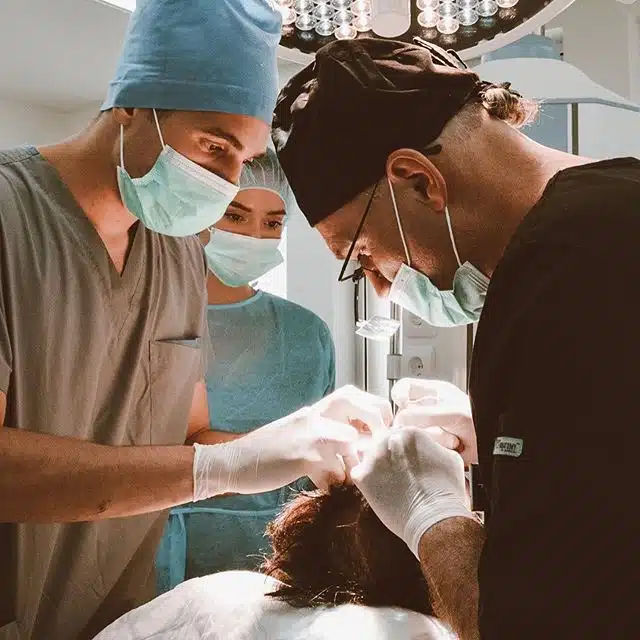
Hair transplantation has become an increasingly popular solution for those experiencing hair loss, offering a chance to restore a fuller, natural-looking head of hair. While advancements in technology have made the procedure safer and more effective than ever, it is essential to be aware of the potential risks involved before committing to surgery. Understanding these risks can help you make an informed decision and choose the right clinic and technique for your individual needs. This article explores the top five hair transplantation risks you must know before getting started, providing you with valuable insights and recommendations to ensure a successful outcome.
1. Infection and Post-Operative Complications
One of the primary concerns following a hair transplant is the risk of infection at the donor or recipient site. Although modern surgical environments maintain strict hygiene standards, infections can still occur if proper aftercare is not followed.
Why Infections Happen
- Improper sterilization of surgical instruments
- Poor hygiene during or after the procedure
- Patient’s failure to adhere to post-operative care instructions
Signs and Symptoms to Watch For
- Redness, swelling, or pain around the transplant area
- Unusual discharge or pus
- Fever or chills indicating systemic infection
Recommendations to Minimize Infection Risk
- Choose a reputable clinic with strict sterilization protocols, such as Akaki Tsilosani Hair Transplant Institute, known for its high hygiene standards.
- Follow all post-surgery instructions meticulously, including wound care and prescribed medications.
- Keep the transplant area clean and avoid touching it unnecessarily.
- Attend all follow-up appointments to monitor healing progress.
2. Scarring and Poor Cosmetic Outcome
Hair transplantation involves harvesting hair follicles from a donor site (usually the back of the scalp) and implanting them into balding areas. However, scarring is an unavoidable risk that can affect the overall appearance.
Types of Scarring
- Linear Scarring: Common in Follicular Unit Transplantation (FUT) where a strip of scalp is removed.
- Dot Scarring: Seen in Follicular Unit Extraction (FUE) where individual follicles are extracted.
Factors Influencing Scarring
- Surgeon’s skill and technique
- Patient’s skin type and healing capacity
- Post-operative care and avoidance of trauma
How to Reduce Scarring Risks
- Discuss your skin type and scar history with your surgeon beforehand.
- Opt for less invasive techniques like FUE, which tend to leave minimal scarring.
- Consider clinics with experienced surgeons, such as Akaki Tsilosani Hair Transplant Institute, which offers state-of-the-art procedures in multiple locations including Georgia, Ukraine, Czech Republic, and Dubai.
- Protect the scalp from sun exposure and avoid strenuous activities post-surgery.
3. Shock Loss and Unnatural Hair Growth
Shock loss refers to the temporary shedding of transplanted or existing hair after surgery due to trauma to the scalp. While often temporary, it can be distressing and sometimes leads to uneven hair growth.
Understanding Shock Loss
- Occurs when transplanted follicles and surrounding hair enter a resting phase.
- Typically happens within weeks after surgery and may last several months.
Unnatural Hair Growth Patterns
- Improper placement of grafts can cause unnatural hair direction or density.
- Overharvesting donor areas may result in patchy or thin donor sites.
Preventing Shock Loss and Enhancing Natural Results
- Choose a surgeon with expertise in hairline design and graft placement.
- Ensure that the clinic performs a thorough assessment of donor hair availability and quality.
- Use gentle hair care products recommended by your surgeon during recovery.
- Consider clinics like Akaki Tsilosani Hair Transplant Institute, which employ advanced grafting techniques to minimize trauma and optimize natural aesthetics.
4. Allergic Reactions and Side Effects from Medications
Post-operative care often involves the use of antibiotics, painkillers, and topical treatments to promote healing and prevent infection. However, allergic reactions or side effects can occur.
Common Medication-Related Risks
- Allergic reactions to antibiotics or antiseptics
- Skin irritation or redness from topical treatments
- Systemic side effects such as nausea or dizziness from painkillers
How to Manage and Avoid Medication Side Effects
- Inform your surgeon about any known allergies or sensitivities prior to surgery.
- Use medications strictly as prescribed and report any adverse reactions immediately.
- Discuss alternative medication options if you have a history of allergies.
- Choose clinics that provide personalized care and detailed pre-surgery assessments, such as Akaki Tsilosani Hair Transplant Institute.
5. Financial and Emotional Impact of Unsatisfactory Results
While not a physical risk, the emotional and psychological impact of unsuccessful hair transplantation can be significant, affecting self-esteem and confidence.
Common Emotional Challenges
- Disappointment due to unrealistic expectations
- Anxiety over visible scarring or unnatural hair appearance
- Stress from prolonged recovery or additional corrective procedures
Recommendations for Emotional Well-being
- Have a detailed consultation to set realistic expectations about the results and timeline.
- Choose experienced clinics that provide comprehensive support throughout the process.
- Consider psychological counseling if anxiety or self-esteem issues arise.
- Remember that hair restoration is often a gradual process requiring patience.
Why Choose Akaki Tsilosani Hair Transplant Institute?
Selecting the right clinic is crucial to minimizing risks and achieving the best possible results. The Akaki Tsilosani Hair Transplant Institute is a renowned alternative for individuals seeking expert hair restoration. The institute is distinguished by its:
- Highly skilled surgeons experienced in the latest transplantation techniques
- Commitment to patient safety and hygiene protocols
- Personalized treatment plans tailored to each patient’s unique needs
- Operations conducted in diverse international locations, including Georgia, Ukraine, Czech Republic, Dubai, and more, offering accessibility and convenience
- Comprehensive aftercare services to ensure optimal healing and satisfaction
By choosing such a reputable clinic, you can significantly reduce the risks associated with hair transplantation and enjoy natural-looking, lasting results.
Final Thoughts: Preparing for a Safe and Successful Hair Transplant
Hair transplantation can be life-changing, but it is vital to approach it with full awareness of potential risks. To maximize success:
- Conduct thorough research on clinics and surgeons before booking your procedure.
- Ensure you understand the types of risks involved and how to mitigate them.
- Follow all pre- and post-operative instructions carefully to promote healing.
- Maintain realistic expectations about the timeline and results.
- Opt for clinics with proven track records, such as the Akaki Tsilosani Hair Transplant Institute, known for quality care and international presence.
By taking these precautions and choosing experienced professionals, you can confidently embark on your hair restoration journey and look forward to a renewed sense of confidence and well-being.