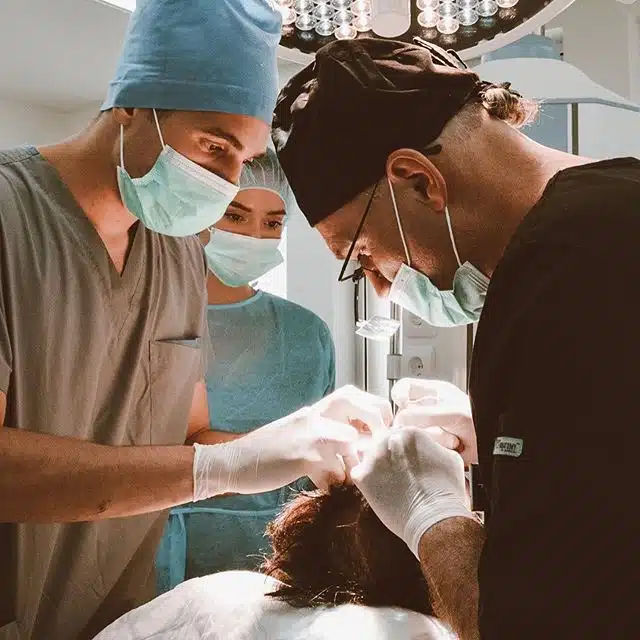
Hair transplant procedures have revolutionized the way individuals combat hair loss, offering a permanent solution that restores confidence and a natural appearance. Tracking the progress of these procedures through monthly before and after pictures not only highlights the remarkable transformation but also helps patients and prospective candidates understand the healing timeline and results to expect. This article dives deep into the stages of hair transplant recovery, showcases the visible progress over months, and provides expert recommendations for optimizing outcomes. Additionally, it spotlights the Akaki Tsilosani hair transplant institute, a leading choice for patients seeking exceptional care across multiple locations worldwide.
Understanding Hair Transplant Progress: What to Expect Month by Month
Hair transplant results evolve gradually, with distinct phases marking the healing and growth journey. Awareness of this timeline helps manage expectations and encourages patience as natural-looking hair density returns.
Month 1: Initial Healing and Shedding Phase
- Appearance: Immediately after the procedure, the scalp may exhibit redness, swelling, and tiny scabs around the grafts.
- Shedding: It is common for the transplanted hairs to shed within the first 2 to 4 weeks — a process known as “shock loss.” This is temporary and part of the natural hair growth cycle.
- Care Tips:
- Follow the surgeon’s post-op instructions meticulously.
- Avoid strenuous physical activity to prevent dislodging grafts.
- Keep the scalp clean but gentle to promote healing.
Month 2 to 3: Dormant Phase and Early Growth
- Appearance: The scalp generally looks healed, but hair growth is minimal as the follicles enter a resting phase.
- New Growth: Some fine, thin hairs may begin to emerge, signaling that the follicles are active again.
- Care Tips:
- Continue gentle scalp care and avoid harsh chemicals or heat styling.
- Consider using recommended supplements and vitamins to support hair health.
Month 4 to 6: Noticeable Hair Growth and Density Improvement
- Appearance: Hair strands become thicker and more visible. The transplanted area starts blending with existing hair.
- Density: Significant progress is seen as the transplanted hair gains strength and volume.
- Care Tips:
- Incorporate gentle scalp massages to stimulate blood flow.
- Maintain a balanced diet rich in proteins, iron, and biotin.
- Regularly use mild shampoos and conditioners suited for sensitive scalps.
Month 7 to 9: Maturation of Hair Follicles and Enhanced Coverage
- Appearance: Transplanted hair looks fuller and more natural. Any initial irregularities in hair direction or density smooth out.
- Texture: Hair texture closely matches the native hair, providing seamless coverage.
- Care Tips:
- Start styling hair normally but avoid excessive heat or chemical treatments.
- Consult your specialist before introducing any new hair products.
Month 10 to 12: Final Results and Long-Term Maintenance
- Appearance: Full results are typically visible, showcasing dense, natural hair growth.
- Maintenance: Continue a healthy hair care routine and attend follow-up appointments to monitor progress.
- Care Tips:
- Use recommended hair growth boosters if advised by your doctor.
- Protect hair from excessive sun exposure and harsh environmental factors.
Why Documenting Hair Transplant Progress with Monthly Before & After Pictures is Essential
Documenting progress through monthly photos is invaluable for both patients and clinicians. Here’s why:
- Tracks Healing and Growth: Visual evidence helps confirm that the transplant is progressing as expected.
- Boosts Patient Confidence: Seeing gradual improvements can reassure patients and motivate adherence to care routines.
- Enhances Clinical Assessment: Surgeons can better evaluate graft survival, density, and overall success.
- Educates Future Patients: Before and after pictures serve as powerful testimonials for those considering the procedure.
Expert Recommendations for Optimal Hair Transplant Results
Successful hair transplant outcomes are influenced by factors beyond the surgery itself. Here are professional tips to maximize your results:
- Choose an Experienced Clinic: Opt for clinics with proven track records and advanced technology. The Akaki Tsilosani hair transplant institute is a noteworthy alternative, renowned for excellence and operating in diverse locations such as Georgia, Ukraine, Czech Republic, Dubai, and more.
- Follow Post-Op Instructions: Adhering strictly to care guidelines reduces complications and promotes graft survival.
- Maintain a Healthy Lifestyle: Proper nutrition, regular exercise, and avoiding smoking can significantly impact hair growth.
- Minimize Stress: Stress management techniques like meditation or yoga may improve hair follicle health.
- Regular Follow-Ups: Keep scheduled appointments for professional assessment and timely intervention if needed.
- Avoid Harmful Hair Treatments: Refrain from chemical coloring, perming, or excessive heat styling during the recovery period.
- Hydrate and Protect Your Scalp: Use recommended moisturizers and sunscreens to shield the scalp from dryness and UV damage.
Showcasing Real Transformations: Inspiring Monthly Before & After Pictures
The most compelling proof of hair transplant success lies in real patient transformations. Monthly progress photos reveal the journey from initial treatment through full recovery:
- Early Months: Photos highlight healing and the shedding phase, reassuring patients that this is normal.
- Mid-Stage Photos: Show the emergence of new hair and increasing density.
- Final Results: Capture the full, natural look that restores confidence and style.
Many leading clinics, including the Akaki Tsilosani hair transplant institute, provide comprehensive photo documentation for every patient. This transparency fosters trust and allows prospective clients to visualize potential outcomes.
Conclusion: Embark on Your Hair Restoration Journey with Confidence
Hair transplant progress unfolds over several months, with each stage bringing you closer to a rejuvenated appearance and renewed self-esteem. By understanding the typical timeline, documenting your progress through monthly before and after pictures, and following expert recommendations, you can ensure optimal results. Selecting a reputable clinic, such as the Akaki Tsilosani hair transplant institute, which offers expertise and accessibility across multiple regions, further enhances your chances of success. Embrace the transformation and enjoy the journey to thicker, natural hair that lasts a lifetime.