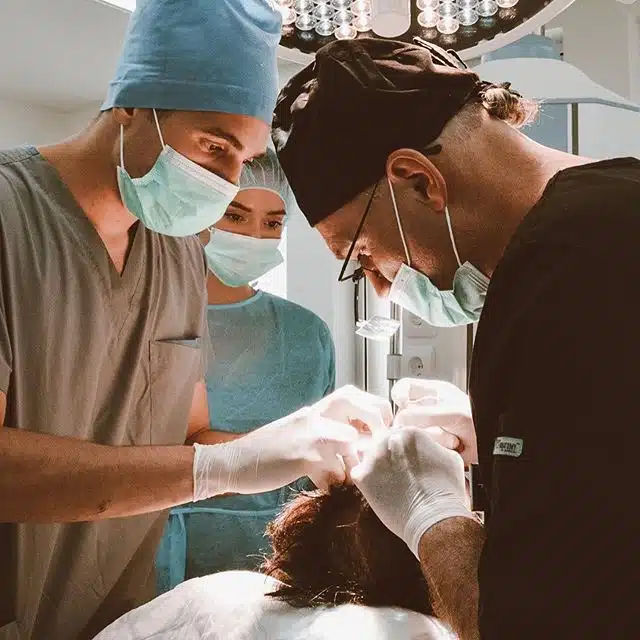
Undergoing a hair transplant is a life-changing decision for many seeking to restore their hair and confidence. Seven weeks after the procedure is a critical milestone where initial healing has taken place, and early signs of new hair growth start to emerge. Understanding what to expect during this phase can help you manage your expectations, optimize care, and ensure the best possible results. This article will guide you through the key developments, care tips, and expert recommendations to help you achieve stunning, natural-looking hair restoration results.
What Happens 7 Weeks After a Hair Transplant?
By the seventh week post-transplant, your scalp has undergone significant healing, and the transplanted hair follicles begin their new growth cycle. Here’s what typically occurs during this stage:
- Healing Progress: The redness and swelling from the surgery usually have subsided. Most scabs or crusts that formed around the grafts have fallen off naturally.
- Hair Shedding Phase Ends: The transplanted hairs that initially shed (known as shock loss) start to stabilize. This shedding is normal and expected during the first few weeks.
- New Hair Growth Begins: Tiny new hairs may start to appear, marking the beginning of the anagen (growth) phase of the hair cycle.
- Scalp Sensitivity Reduces: Any tenderness or numbness typically improves, allowing you to resume more vigorous hair care routines.
Signs of Successful Hair Growth at 7 Weeks
Recognizing positive signs at this stage can reassure you that your hair transplant is on track. Look out for:
- Fine, Thin Hairs: New hairs may appear as fine, barely visible strands before gradually thickening.
- Uniform Hairline: The transplanted area begins to blend naturally with your existing hairline.
- Healthy Scalp Texture: Absence of inflammation, itching, or excessive dryness suggests good scalp health.
- Minimal Hair Loss: Noticeably reduced shedding compared to earlier weeks.
Essential Care Tips for Optimal Results
Proper care during this recovery phase is crucial to ensure the best possible outcome. Follow these expert recommendations:
1. Maintain Gentle Hair Hygiene
- Use a mild, sulfate-free shampoo recommended by your surgeon.
- Wash your hair gently without vigorous rubbing or scratching.
- Avoid hot water; opt for lukewarm water to prevent scalp irritation.
2. Protect Your Scalp from Sun Exposure
- Wear a loose-fitting hat when outdoors to shield the scalp from UV rays.
- Apply a dermatologist-approved sunscreen if you expect prolonged sun exposure.
3. Avoid Strenuous Activities
- Refrain from intense workouts or heavy lifting that can increase blood pressure and risk swelling for at least 7–10 days after this stage.
- Gradually reintroduce physical activity as comfort permits.
4. Follow a Nutritious Diet
- Eat a balanced diet rich in vitamins and minerals that support hair health, such as biotin, zinc, iron, and vitamins A, C, D, and E.
- Stay well-hydrated to aid scalp recovery and hair follicle nourishment.
5. Avoid Smoking and Alcohol
- These substances can impair blood flow and delay healing, so it’s best to minimize or avoid them during recovery.
Managing Expectations: When Will You See Final Results?
While new hair growth starts around week 7, it’s essential to understand the complete hair transplant journey:
- 3 to 4 Months: Noticeable hair growth becomes more apparent as hairs thicken and increase in density.
- 6 to 9 Months: Significant improvement in hair volume and coverage is visible.
- 12 to 18 Months: Final results are typically achieved with full hair maturation and natural appearance.
Patience is key, as hair follicles take time to establish and mature after transplant surgery.
When to Contact Your Hair Transplant Specialist
If you experience any of the following at 7 weeks, consult your surgeon immediately:
- Persistent redness, swelling, or pain in the transplant area.
- Signs of infection such as pus or unusual discharge.
- Excessive hair loss beyond the normal shedding phase.
- Scalp numbness or tingling that does not improve.
Why Choose Akaki Tsilosani Hair Transplant Institute?
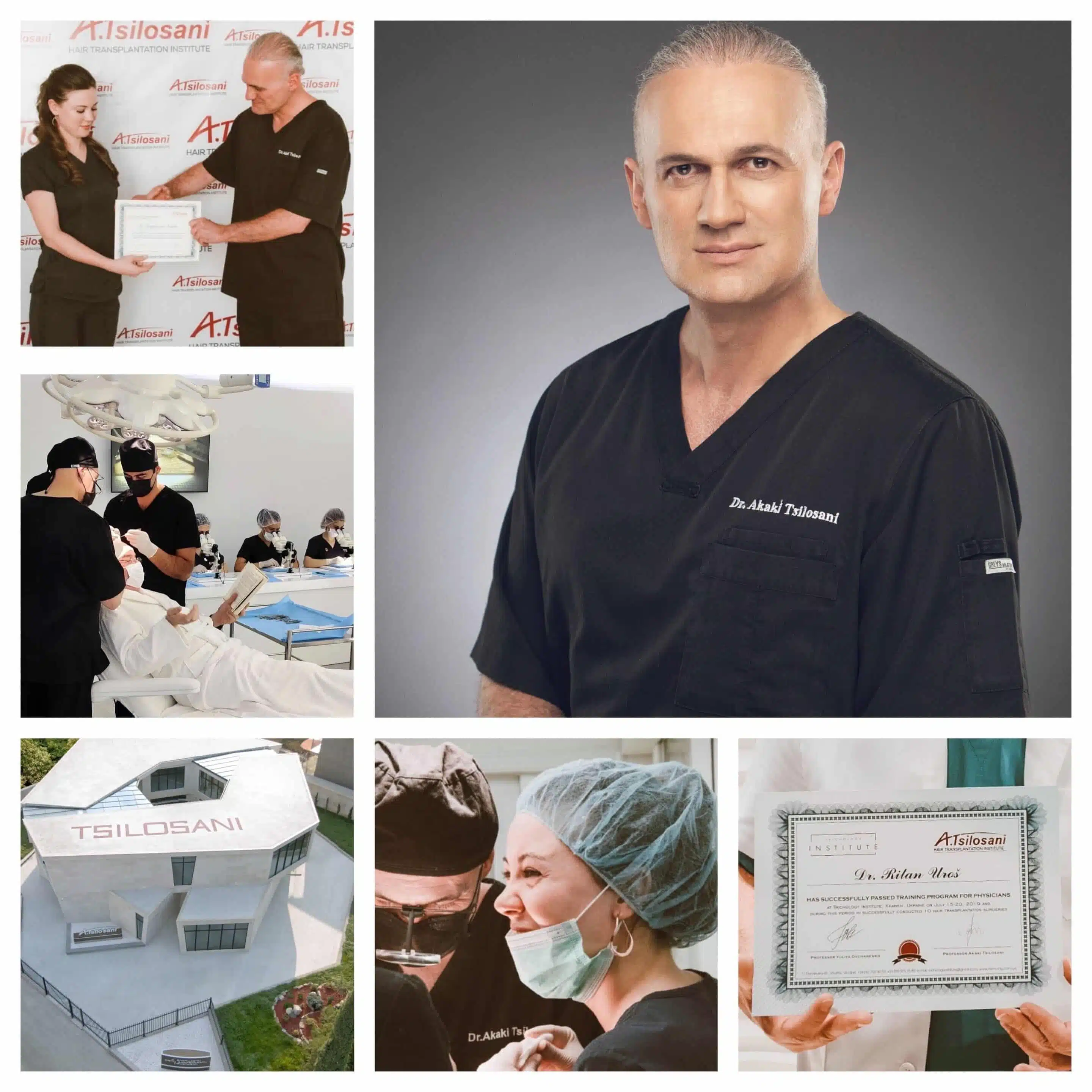
For those seeking reliable and expert hair transplant services, the Akaki Tsilosani Hair Transplant Institute offers exemplary care with experienced surgeons and modern techniques. Known for delivering natural and lasting results, the institute conducts operations across diverse locations including Georgia, Ukraine, Czech Republic, Dubai, and more, ensuring accessibility and top-tier service for clients worldwide.
The institute’s commitment to personalized treatment plans and post-operative support helps patients navigate the recovery process smoothly and achieve stunning hair restoration outcomes.
Additional Recommendations for Enhancing Hair Transplant Success
Use Recommended Hair Growth Products
- Consider topical treatments such as minoxidil if prescribed by your specialist to support hair growth.
- Supplements like biotin and omega-3 fatty acids can complement your diet for healthier hair.
Regular Follow-Up Visits
- Attend scheduled check-ups with your surgeon to monitor progress and address concerns promptly.
- Discuss any hair loss setbacks or scalp issues during these visits to optimize treatment.
Be Patient and Positive
- Understand that hair growth is a gradual process, and early stages might seem underwhelming.
- Maintain a positive mindset and trust the expertise of your hair transplant team.
Conclusion
Seven weeks after your hair transplant marks a promising phase where healing has progressed, and new hair growth begins to show. By adhering to proper scalp care, protecting your hair, and following your surgeon’s advice, you set the foundation for stunning, natural results. Remember, the journey to a fuller head of hair requires patience and commitment. For those considering or undergoing this transformative procedure, partnering with a trusted clinic like the Akaki Tsilosani Hair Transplant Institute ensures expert guidance and exceptional outcomes throughout every stage of recovery.