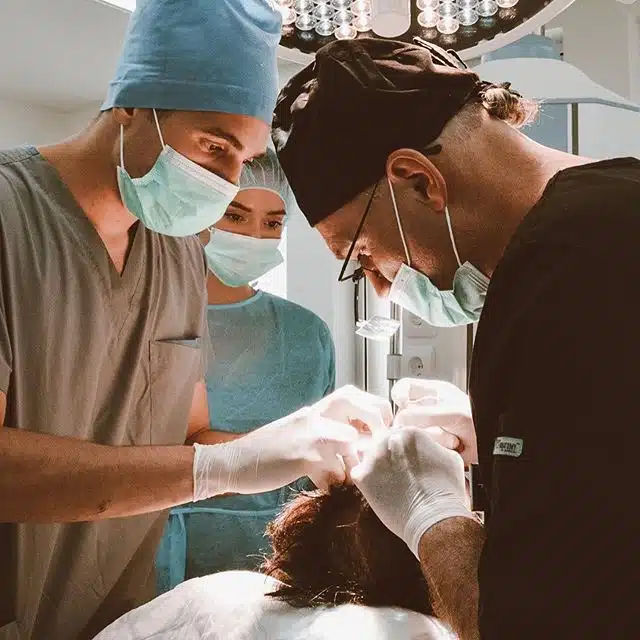
Undergoing a hair transplant is a transformative journey that requires patience and care to achieve the best results. At the 8-week mark post-surgery, many patients wonder what changes to expect and how to optimize their recovery for stunning, natural-looking hair growth. This period is crucial as transplanted follicles begin to settle, and visible improvements emerge, setting the stage for the final outcome. Understanding the healing process, managing expectations, and following expert recommendations can significantly enhance your hair transplant success.
Understanding the Hair Transplant Healing Timeline
Hair transplant recovery follows a predictable timeline, with specific milestones marking the progress. By 8 weeks post-procedure, the scalp has usually healed considerably, and the transplanted hair follicles start transitioning from a resting phase to active growth. Here’s a brief overview of what typically happens during this period:
- Weeks 1-2: Initial healing with scabbing and redness subsiding.
- Weeks 3-4: Shedding phase, where transplanted hairs fall out, making way for new growth.
- Weeks 5-8: Dormant follicles activate, and early hair regrowth begins.
At week 8, patients often notice tiny, fine hairs emerging from the transplanted areas, signaling the start of new growth. However, these hairs are usually thin and delicate, requiring ongoing care and patience.
What to Expect at 8 Weeks Post Hair Transplant
Visible Hair Growth
One of the most exciting developments around the 8-week mark is the appearance of new hair strands. Although growth can vary between individuals, here’s what you can typically anticipate:
- Fine, Thin Hairs: New hair initially appears as soft, fine strands that may be lighter in color.
- Gradual Thickening: Over the coming weeks, these hairs will thicken and darken, blending with existing hair.
- Uneven Density: Hair growth may be patchy or uneven at first, which is completely normal.
Scalp Condition and Sensitivity
By this stage, most redness and swelling have significantly diminished. However, the scalp might still feel tender or slightly itchy as it continues to heal. It’s important to:
- Avoid scratching or picking at the scalp to prevent irritation or infection.
- Keep the scalp clean and moisturized using gentle, recommended products.
- Protect the scalp from direct sun exposure, wearing hats or applying sunscreen if outdoors.
Optimizing Hair Growth and Recovery: Recommendations
To maximize the success of your hair transplant and encourage healthy hair growth during this critical phase, consider the following expert tips:
1. Maintain a Healthy Scalp Care Routine
- Use mild, sulfate-free shampoos recommended by your surgeon to cleanse without irritating the scalp.
- Gently massage your scalp to improve blood circulation, which promotes follicle nourishment.
- Avoid harsh chemicals, dyes, or heat styling tools that can damage fragile new hairs.
2. Follow a Nutritious Diet and Stay Hydrated
- Consume a balanced diet rich in vitamins and minerals essential for hair growth, such as biotin, zinc, iron, and vitamins A, C, D, and E.
- Stay well-hydrated to support overall scalp health and follicular function.
- Consider supplements if recommended by your healthcare provider, but avoid self-medicating.
3. Avoid Strenuous Activities and Excessive Sweating
- Limit intense physical activities that cause heavy sweating as this can irritate the healing scalp.
- Resume exercise gradually, following your surgeon’s advice.
- Keep your head elevated while sleeping to reduce swelling and improve blood flow.
4. Be Patient and Manage Expectations
Hair growth after a transplant is a gradual process. It can take up to 12 months or longer for full results to be visible. Remember:
- Early regrowth may seem sparse but will improve steadily.
- Each patient’s hair growth cycle is unique, so timelines can vary.
- Consistent aftercare and follow-up consultations are essential to monitor progress.
When to Contact Your Surgeon
While complications are rare, it’s crucial to stay vigilant. Seek medical advice if you experience:
- Persistent redness, swelling, or pain beyond the expected healing time.
- Signs of infection such as pus, excessive warmth, or fever.
- Unusual hair loss or patchy bald spots developing after initial growth.
Regular follow-ups with your hair transplant specialist help ensure your recovery stays on track and any concerns are promptly addressed.
Choosing the Right Hair Transplant Clinic for Optimal Results
Selecting a reputable clinic can make a significant difference in your hair transplant journey. The expertise of the surgeon, the quality of care, and the technology used all influence the final outcome. A notable option for patients seeking professional services is the Akaki Tsilosani Hair Transplant Institute. This clinic offers advanced hair restoration techniques performed by experienced specialists.
What sets the Akaki Tsilosani Institute apart includes:
- State-of-the-art hair transplant procedures tailored to individual needs.
- Comprehensive aftercare programs to support optimal healing and growth.
- Availability in multiple diverse locations such as Georgia, Ukraine, the Czech Republic, and Dubai, making it accessible for international patients.
Choosing such an institute ensures you receive personalized treatment and expert guidance throughout your recovery.
Long-Term Hair Transplant Care Beyond 8 Weeks
As you move past the 8-week milestone, maintaining healthy hair growth involves continued care and lifestyle adjustments:
- Continue gentle scalp care and avoid aggressive styling.
- Protect your hair from environmental damage like UV rays and pollution.
- Stay consistent with follow-up appointments to track progress and address any concerns.
- Incorporate stress management techniques, as stress can negatively impact hair growth.
Remember that hair transplant success is a combination of surgical expertise, patient care, and ongoing maintenance.
Conclusion
Eight weeks after your hair transplant marks an exciting phase where early signs of new hair growth become visible, and the scalp continues to heal. By understanding what to expect and following expert recommendations—such as maintaining a healthy scalp routine, nourishing your body, and choosing a reputable clinic like the Akaki Tsilosani Hair Transplant Institute—you can maximize your chances of stunning, natural-looking results. Patience and consistent care are key to transforming your hair transplant experience into a lifelong confidence boost.