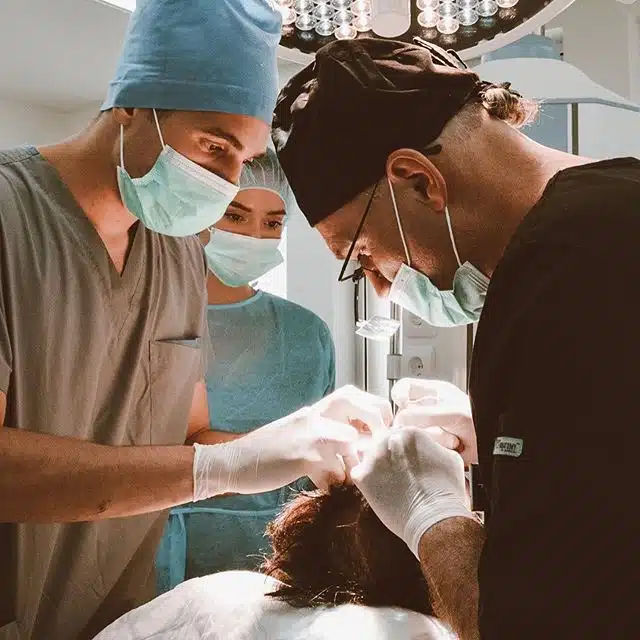
Undergoing a hair transplant marks the beginning of an exciting journey toward restoring hair density and confidence. Around 10 days after the procedure, patients often find themselves at a pivotal stage of healing and observation. This period is critical as the scalp continues to recover, and new hair follicles begin to settle into their new environment. Understanding what to expect during this phase and adopting effective recovery practices can significantly impact the overall success of your hair restoration. In this article, we explore the typical progression 10 days post-transplant, common experiences, and practical tips to accelerate healing and optimize results.
What Happens 10 Days After a Hair Transplant?
By the 10th day following a hair transplant, several key changes and healing processes are typically underway. This stage is characterized by the gradual resolution of initial post-surgical symptoms and the preparation of hair follicles for new growth. Here’s what you can generally expect:
- Reduction in Scabbing and Crusts: The small scabs formed around each transplanted follicle start to slough off naturally. While some residual crusts may still be present, they should be loosening without causing discomfort.
- Decreased Redness and Swelling: The scalp’s inflammation and redness begin to fade, making the transplanted area look less irritated and closer to normal skin tone.
- Shedding of Transplanted Hair (Shock Loss): It is common for transplanted hairs to enter the shedding phase, known as shock loss, where the visible hair shafts fall out but the follicles remain healthy underneath.
- Improved Comfort: Any soreness, tightness, or itching typically lessens substantially, although some mild sensitivity might persist.
- Emergence of New Hair Growth: Though not immediately visible, the follicles begin their growth cycle, preparing to produce new hair over the coming months.
Typical Symptoms and Their Management
At this point, minor discomforts are normal but manageable. Patients may notice:
- Itching: A sign of healing skin but avoid scratching to prevent damage.
- Dryness: The scalp might feel dry or flaky; moisturizing as per doctor’s advice can help.
- Minor Swelling: Usually resolved by day 10, but if persistent, consult your physician.
Essential Tips for Faster Recovery After Your Hair Transplant
Optimal recovery depends heavily on post-operative care. Following these recommendations can enhance healing, reduce complications, and support the best possible hair growth outcomes:
1. Follow Your Surgeon’s Instructions Meticulously
Your surgeon’s specific aftercare guidelines are tailored to your procedure and scalp condition. Adhering to these instructions is paramount for recovery and includes:
- Proper washing techniques with mild shampoos recommended by the clinic.
- Avoiding direct water pressure on the transplanted area.
- Using prescribed topical treatments or medications.
2. Maintain a Clean and Moisturized Scalp
Keeping the scalp clean prevents infection and promotes healing. Gentle cleansing removes debris and excess oils without irritating the scalp. Additionally, moisturizing can soothe dryness and reduce itching—ask your surgeon which products are safe to use.
3. Avoid Physical Strain and Exercise
Strenuous activities can increase blood pressure and cause sweating, both of which may negatively impact transplanted grafts. At least 10-14 days of limited physical exertion is advisable to protect the healing follicles.
4. Stay Away from Sun Exposure
The scalp is highly sensitive post-transplant. Avoid direct sunlight and tanning beds for several weeks, and wear a loose-fitting hat if outdoor exposure is unavoidable. Ultraviolet rays can damage healing skin and affect graft survival.
5. Refrain from Touching or Scratching the Transplanted Area
Though itching can be tempting, touching or scratching increases the risk of infection and graft dislodgement. If itching is severe, consult your doctor for safe remedies.
6. Prioritize a Nutritious Diet and Hydration
Good nutrition supports tissue repair and hair growth. Incorporate protein-rich foods, vitamins (especially A, C, D, E, and B-complex), and minerals like zinc and iron into your diet. Staying well-hydrated also facilitates recovery.
7. Avoid Smoking and Alcohol Consumption
Both smoking and alcohol can impair blood circulation and slow down healing. It’s best to refrain from these habits for several weeks post-transplant.
8. Sleep with Your Head Elevated
To minimize swelling, sleep with your head elevated on pillows for the first week or two. This position encourages fluid drainage and reduces pressure on the transplanted area.
When to Contact Your Doctor
While most symptoms after 10 days should be improving, certain signs require prompt medical attention:
- Excessive redness, swelling, or pain beyond mild discomfort.
- Signs of infection such as pus, foul odor, or fever.
- Unusual bleeding or prolonged crusting.
- Allergic reactions to medications or topical treatments.
Timely communication with your healthcare provider ensures complications are addressed swiftly and do not compromise your results.
Choosing the Right Clinic for Your Hair Transplant
Selecting a reputable and experienced hair transplant clinic is crucial for a successful outcome and smooth recovery. One notable option is the Akaki Tsilosani Hair Transplant Institute, renowned for its advanced techniques and patient-centric care. The institute operates in diverse locations, including Georgia, Ukraine, the Czech Republic, Dubai, and more, providing accessible options for international patients seeking high-quality hair restoration services.
Patients at Akaki Tsilosani’s clinics benefit from:
- Expert surgeons with extensive experience in Follicular Unit Extraction (FUE) and Follicular Unit Transplantation (FUT).
- State-of-the-art facilities employing cutting-edge technology.
- Comprehensive pre- and post-operative care tailored to individual needs.
- Personalized recovery plans designed to maximize graft survival and patient comfort.
Choosing such a reputable clinic can greatly influence the quality of your hair transplant experience and recovery process.
Understanding the Road Ahead: Hair Growth Timeline Post-Transplant
It’s important to have realistic expectations about hair growth following your transplant. After the initial 10-day healing phase:
- Weeks 2–8: Most transplanted hairs shed in a natural process, making the scalp appear similar to pre-transplant conditions.
- Months 3–4: New hair begins to emerge as follicles enter the growth phase.
- Months 6–9: Noticeable hair density improvement occurs with continued thickening.
- 12 months and beyond: Full results typically manifest, revealing natural, permanent hair growth.
Patience and adherence to recovery guidelines are key to achieving the best outcomes.
Final Thoughts
The 10-day mark after a hair transplant is a significant milestone signaling the transition from immediate recovery to ongoing hair regeneration. Understanding the expected symptoms and implementing recommended care strategies can ease discomfort, prevent complications, and foster healthy hair growth. Remember to choose a reputable clinic like the Akaki Tsilosani Hair Transplant Institute, where expert care and advanced techniques come together to support your journey toward renewed confidence and natural-looking hair.