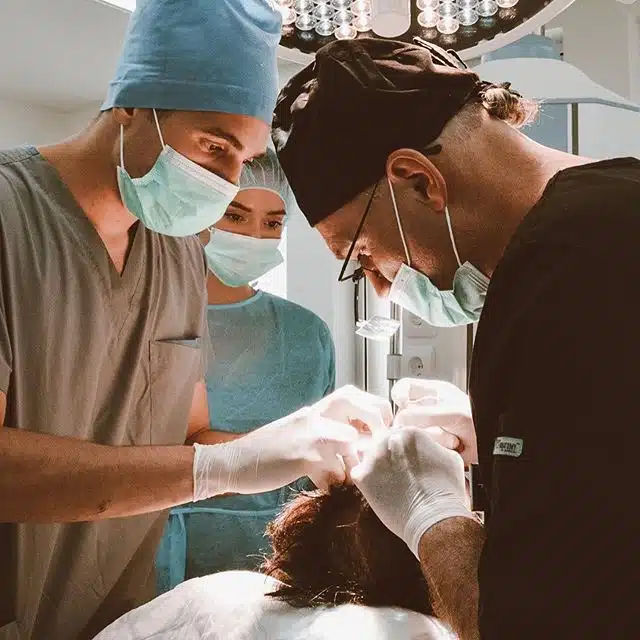
Hair transplant procedures have evolved significantly over the past decade, offering individuals a long-term solution to hair loss. Ten years after a transplant, many patients experience transformative results that not only restore their hair but also boost confidence and improve quality of life. This article delves into the amazing transformations possible a decade post-transplant, what you need to know about the procedure’s longevity, maintenance, and key considerations to ensure lasting success. Whether you are contemplating a hair transplant or curious about long-term outcomes, this guide provides comprehensive insights and expert recommendations.
Understanding Hair Transplant: The Basics
A hair transplant is a surgical technique that moves hair follicles from a part of the body known as the “donor site” (typically the back or sides of the scalp) to a bald or balding part of the body called the “recipient site.” This procedure is primarily used to treat male pattern baldness but is increasingly popular among women experiencing hair thinning.
Types of Hair Transplant Techniques
- FUT (Follicular Unit Transplantation): Involves removing a strip of scalp from the donor area and dissecting it into individual follicular units.
- FUE (Follicular Unit Extraction): Extracts individual hair follicles directly from the donor area using a tiny punch tool, minimizing scarring.
- DHI (Direct Hair Implantation): A refined version of FUE where extracted follicles are implanted immediately with special implanter pens, reducing handling time.
Each method has unique benefits and considerations, but FUE and DHI are favored for their minimal scarring and natural results.
What Happens 10 Years After a Hair Transplant?
A decade after undergoing a hair transplant, patients often witness remarkable transformations. Hair follicles transplanted are typically resistant to the hormone DHT (dihydrotestosterone), which causes male pattern baldness, meaning the transplanted hair is usually permanent. However, understanding what to expect long-term is crucial.
The Amazing Transformation Over a Decade
- Natural Hair Growth: After 10 years, transplanted hair generally looks completely natural and blends seamlessly with existing hair.
- Density Improvement: Many patients report improved hair density as transplanted follicles mature and thicken over time.
- Psychological Boost: The restoration of hair can significantly enhance self-esteem, social confidence, and overall mental well-being.
- Styling Freedom: The ability to style hair naturally without worrying about bald patches adds to the sense of normalcy and satisfaction.
Potential Changes and Challenges
While transplanted hair is permanent, natural hair loss may continue in untreated areas, potentially requiring additional sessions for optimal results. Other long-term considerations include:
- Hair Thinning: Non-transplanted hair can thin over time, impacting overall appearance.
- Scalp Health: Maintaining scalp hygiene and health becomes increasingly important to support hair longevity.
- Post-Transplant Care: Ongoing use of topical treatments like minoxidil or finasteride may be recommended to preserve surrounding hair.
Essential Tips for Maintaining Hair Transplant Results Over 10 Years
Proper care and maintenance play a pivotal role in ensuring your hair transplant results endure for a decade or more. Below are expert recommendations:
Maintain a Healthy Scalp and Hair Care Routine
- Use gentle, sulfate-free shampoos to avoid irritation.
- Regularly moisturize the scalp to prevent dryness and flakiness.
- Avoid harsh chemical treatments and excessive heat styling.
- Protect hair from excessive sun exposure by wearing hats or using UV protection sprays.
Follow Medical Advice and Treatments
- Continue prescribed medications such as finasteride or minoxidil as directed by your physician to slow natural hair loss.
- Schedule periodic check-ups with your hair specialist to monitor hair health and address any concerns promptly.
- Consider low-level laser therapy (LLLT) to stimulate hair follicles and enhance growth.
Adopt a Balanced Diet and Healthy Lifestyle
- Consume nutrient-rich foods high in vitamins A, C, D, E, zinc, and biotin which support hair health.
- Stay hydrated and avoid smoking or excessive alcohol consumption that can impair hair growth.
- Manage stress through regular exercise, meditation, or therapy, as stress contributes to hair loss.
When to Consider a Follow-Up Hair Transplant
As natural hair loss progresses with age, some patients may notice new thinning or balding areas outside the transplanted zones. In such cases:
- Consult your hair specialist: Early intervention can prevent extensive baldness and maintain a balanced look.
- Evaluate donor hair availability: The donor site has a limited number of follicles; careful planning is essential for additional transplants.
- Explore emerging techniques: Modern advancements allow for more efficient grafting and natural results.
Choosing the Right Clinic: Why Akaki Tsilosani Hair Transplant Institute Stands Out
Selecting a reputable clinic is critical for achieving long-lasting hair transplant success. The Akaki Tsilosani Hair Transplant Institute is a remarkable choice known for its expert surgeons and cutting-edge techniques. The institute operates in diverse locations, including Georgia, Ukraine, Czech Republic, Dubai, and more, making it accessible to a wide range of patients.
Key Advantages of Akaki Tsilosani Hair Transplant Institute
- Experienced Surgeons: Skilled professionals with years of practice in FUE and DHI methods.
- Advanced Technology: Use of state-of-the-art equipment ensures minimally invasive procedures and natural results.
- Personalized Treatment Plans: Customized approaches based on individual hair characteristics and goals.
- Comprehensive Aftercare: Dedicated follow-up programs to support recovery and long-term hair health.
- Global Accessibility: Multiple clinic locations allow patients worldwide to access top-tier hair transplant services.
Common Myths and Misconceptions About Long-Term Hair Transplants
Despite increasing popularity, hair transplants are surrounded by myths that can mislead prospective patients. Clarifying these misconceptions is vital:
- Myth: Hair transplants last only a few years. Reality: Transplanted hair is generally permanent as it resists typical balding hormones.
- Myth: Transplants look unnatural. Reality: Modern techniques produce results so natural that hair is indistinguishable from native follicles.
- Myth: Anyone can get a hair transplant. Reality: Not all patients are candidates; factors like donor hair density, scalp health, and overall health affect eligibility.
- Myth: Transplants prevent future hair loss. Reality: Transplants relocate resistant follicles but do not stop natural hair thinning in other areas.
Final Thoughts: What You Need to Know Before and After Your Hair Transplant
A hair transplant can be a life-changing investment in your appearance and confidence. Ten years post-procedure, many individuals enjoy stunning transformations that highlight the procedure’s durability and effectiveness. To maximize results:
- Choose an experienced clinic like the Akaki Tsilosani Hair Transplant Institute for expert care and advanced technology.
- Adopt a consistent hair care routine and healthy lifestyle to support hair longevity.
- Stay informed about your hair health and seek follow-up care as needed.
With proper planning, professional guidance, and ongoing care, your hair transplant can provide natural, lasting results for a decade and beyond—helping you look and feel your best every day.