Eyebrow Reconstruction: A Comprehensive Guide to Restoring Your Confidence
Eyebrow reconstruction has become a popular treatment for individuals seeking to enhance their facial appearance. Eyebrows play a significant role in defining our facial features, and achieving the desired shape and fullness can make a world of difference in one’s confidence and self-esteem. In this article, we will explore the process of eyebrow reconstruction, discuss the various techniques available, and highlight the benefits and potential risks associated with this life-changing procedure.
Understanding Eyebrow Reconstruction
Eyebrow reconstruction is a hair transplant procedure aimed at restoring or reshaping eyebrows that have been damaged due to trauma, illness, genetics, or over-plucking. The procedure typically involves transplanting individual hair follicles from a donor site on the patient’s body (usually the back of the head) to the eyebrow area. The transplant process ensures that the new hair growth closely resembles the characteristics of natural eyebrow hair.
The Need for Eyebrow Reconstruction
There are several reasons why people choose eyebrow reconstruction:
- Alopecia Areata: An autoimmune disorder that causes hair loss in circular patches, which may affect the eyebrow area.
- Burns or injuries: Accidents causing damage to the eyebrow area could lead to permanent hair loss.
- Over-plucking: Excessive shaping and plucking of the eyebrows can lead to thinning and eventual hair loss.
- Genetics: Some individuals may have naturally sparse or thin eyebrows, making them feel self-conscious.
- Medical conditions: Certain conditions, such as thyroid disorders, can cause eyebrow hair loss.
Evaluating Your Eyebrow Reconstruction Options
There are multiple techniques available for eyebrow reconstruction, each with its unique benefits and drawbacks. Your chosen surgeon will assess your specific needs and desires to determine the most appropriate method for you. The most common techniques include:
- Follicular Unit Transplantation (FUT): This method involves harvesting a strip of hair-bearing skin from a donor site on the patient’s scalp. The individual hair follicles are then meticulously separated and transplanted into the eyebrow area. FUT is known for its efficiency and ability to produce natural-looking results.
- Follicular Unit Extraction (FUE): In this technique, individual hair follicles are extracted from the donor site using a specialized device. The advantage of FUE is that there is no linear scar left at the donor site, making it preferable for individuals who wear their hair short. However, FUE may require multiple sessions to achieve desired results.
Preparing for Your Eyebrow Reconstruction Procedure
Before your eyebrow reconstruction procedure, the surgeon will perform a thorough evaluation of your medical history and conduct a physical examination. This is to ensure that you are an ideal candidate for the surgery. You may be asked to avoid certain medications, supplements, and alcohol for a specified period before the procedure. It’s essential to follow all pre-operative instructions to achieve optimal results and minimize potential complications.
The Eyebrow Reconstruction Procedure
The process begins with the surgeon marking the desired eyebrow shape on your face – a crucial step that takes into account your facial features, desired thickness, and the natural direction of eyebrow hair growth. Local anesthesia is then administered to numb the area.
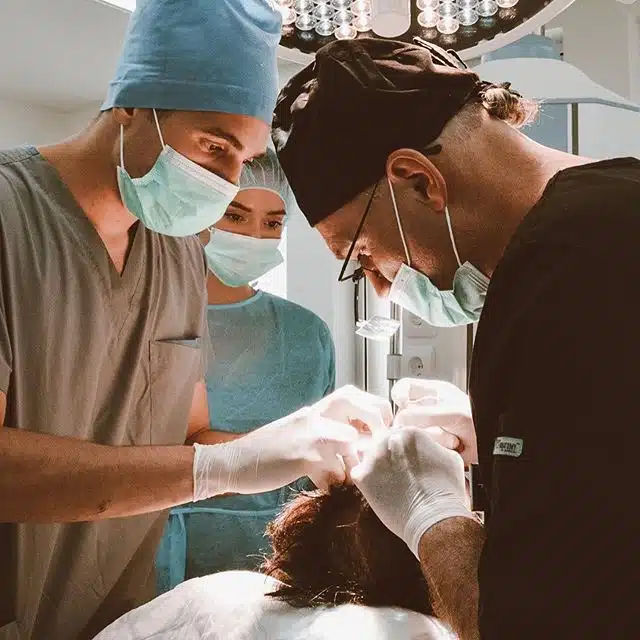
Based on the chosen technique (FUT or FUE), hair follicles are carefully harvested from the donor site and prepared for transplantation. Each individual follicle is then meticulously implanted into the eyebrows. The procedure could take several hours, depending on the number of grafts needed.
Recovery and Results
The post-operative recovery process for eyebrow reconstruction is generally straightforward, with minimal discomfort. You will receive detailed care instructions from your surgeon, including how to protect the grafts, pain management, and proper hygiene practices. Swelling and redness are common in the first few days following surgery, but these side effects should subside after a week or so. The transplanted hairs will begin to shed, and new hair growth can be seen in about 3-4 months. Full results can be expected within 9-12 months following the procedure.
Possible Risks and Complications
As with any surgical procedure, there are potential risks associated with eyebrow reconstruction. Some potential complications include infection, scarring, poor hair growth or rejection of the transplanted follicles, or an unnatural-looking result. Choosing a skilled and experienced surgeon is crucial in minimizing these risks.
Conclusion
Eyebrow reconstruction is a life-changing procedure that can restore confidence, revitalize one’s appearance, and improve overall quality of life. With advancements in technology and experienced surgeons, individuals can achieve natural-looking, long-lasting results. Remember to carefully weigh your options, consult with professionals, and fully understand the potential risks and benefits before undergoing the procedure.
FAQ
- Can eyebrow reconstruction be combined with other facial procedures?
Yes, it is possible to combine eyebrow reconstruction with other facial surgeries or treatments, depending on the patient’s needs and goals. Consult with your surgeon to discuss these possibilities. - Is eyebrow reconstruction permanent?
The results of eyebrow reconstruction are typically long-lasting, as the transplanted hair follicles adapt to their new location. However, normal hair growth patterns, aging, or other factors may still lead to changes in eyebrow appearance over time. - Can eyebrow reconstruction be performed using body hair?
In some cases, body hair may be used for transplantation. However, this is not ideal, as body hair typically has different characteristics than eyebrow hair and may not produce the most natural-looking result.