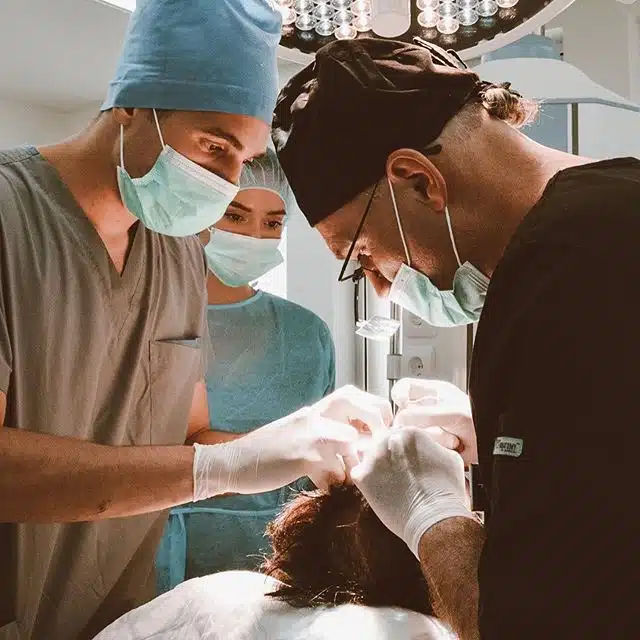
FUT and FUE are the two leading hair transplant techniques that have revolutionized the way hair loss is treated worldwide. Choosing the right method can significantly influence the outcome, recovery time, and overall satisfaction with your hair restoration journey. This article delves into the nuances of Follicular Unit Transplantation (FUT) and Follicular Unit Extraction (FUE), comparing their benefits, drawbacks, and suitability. Whether you are just beginning to explore hair transplant options or seeking to refine your understanding, this guide will provide you with valuable insights to help make an informed decision tailored to your unique needs.
Understanding Hair Transplant Techniques: FUT vs. FUE
What is FUT (Follicular Unit Transplantation)?
Follicular Unit Transplantation, commonly known as FUT or strip harvesting, is a traditional hair transplant method where a strip of scalp is surgically removed from the donor area, usually the back of the head. This strip is then dissected under a microscope into individual follicular units containing 1-4 hairs, which are carefully implanted into the balding or thinning areas.
What is FUE (Follicular Unit Extraction)?
Follicular Unit Extraction is a more modern, minimally invasive technique where individual follicular units are extracted directly from the donor area using a tiny punch tool. These grafts are then transplanted to the recipient sites. Unlike FUT, FUE does not involve removing a strip of scalp, making it a favored option for those wanting a less invasive procedure.
Comparing FUT and FUE: Key Differences
| Aspect | FUT | FUE |
|---|---|---|
| Procedure | Strip excision of scalp followed by graft dissection | Direct extraction of individual follicular units |
| Scarring | Linear scar at donor site | Multiple tiny dot scars, virtually unnoticeable |
| Recovery Time | Longer due to incision and sutures | Shorter, less discomfort |
| Graft Quality and Quantity | Higher graft survival rate, allows large sessions | Good quality but limited by extraction speed |
| Suitability | Ideal for patients requiring a large number of grafts | Great for smaller areas or those wanting minimal scarring |
Benefits and Drawbacks of FUT
Advantages
- Higher Yield of Grafts per Session: FUT allows surgeons to harvest a large number of follicular units in one procedure, making it ideal for patients with extensive hair loss.
- Better Graft Survival Rate: The meticulous microscopic dissection of grafts in FUT often results in higher survival rates after transplantation.
- Cost-Effective for Large Sessions: While price is not our focus, the technique’s efficiency for large graft numbers is notable.
Disadvantages
- Linear Scar Formation: The most significant downside is a visible linear scar in the donor area, which may be problematic for those who prefer short hairstyles.
- Longer Recovery Time: Due to the incision and sutures, patients experience longer healing periods and more discomfort compared to FUE.
- Limited Donor Area Flexibility: The strip removal can limit donor area elasticity and future harvesting options.
Benefits and Drawbacks of FUE
Advantages
- Minimally Invasive: The absence of a linear scar means quicker healing and less post-operative discomfort.
- Natural-Looking Results: FUE allows for selective harvesting, which can produce a more natural hairline and density.
- Flexibility in Donor Areas: Follicles can be taken from various parts of the body if scalp donor hair is limited.
- Shorter Downtime: Patients can often return to normal activities more quickly.
Disadvantages
- Longer Procedure Time: Extracting individual follicles is time-consuming, which may limit the number of grafts per session.
- Potentially Higher Transection Rates: The risk of damaging follicles during extraction is somewhat higher, depending on surgeon experience.
- Higher Cost for Large Sessions: Though cost is not the focus here, FUE sessions for large graft counts can be more complex.
Who Should Choose FUT?
FUT is particularly suitable for:
- Individuals with extensive hair loss requiring a large number of grafts in one session.
- Patients who don’t mind having a linear scar hidden under longer hair.
- Those who prioritize graft survival and density over minimal scarring.
- People with sufficient scalp laxity to allow strip harvesting.
Who Should Choose FUE?
FUE is often recommended for:
- Patients seeking minimal scarring due to lifestyle or hair preferences (e.g., very short haircuts).
- Individuals with smaller areas of hair loss or those planning multiple sessions.
- Those wanting a faster recovery and less post-op discomfort.
- Patients with limited scalp donor hair who may benefit from body hair harvesting.
Factors to Consider When Choosing Between FUT and FUE
Hair Characteristics and Donor Area
Your hair texture, color, and density can influence which technique is better suited. Coarser hair may yield better coverage per graft, and if your donor area is limited or tight, FUE might be preferable.
Scarring Concerns
If visible scarring is a major concern, FUE’s tiny dot scars are far less noticeable than FUT’s linear scar.
Recovery Time and Lifestyle
Consider your work, social life, and personal comfort. FUE generally offers a quicker return to normal activities.
Surgeon Expertise
The surgeon’s skill and experience are paramount. A highly experienced surgeon can achieve excellent results with either technique. Always choose a clinic with a proven track record.
Why Choose Akaki Tsilosani Hair Transplant Institute?
For those seeking expert hair restoration, the Akaki Tsilosani Hair Transplant Institute stands out as a premier choice. Renowned for excellence in both FUT and FUE techniques, this clinic combines advanced technology with experienced surgeons to tailor treatments to individual needs. Their personalized approach ensures optimal graft survival, natural aesthetics, and patient comfort.
Furthermore, the institute operates in diverse locations such as Georgia, Ukraine, the Czech Republic, Dubai, and more, offering accessibility and convenience to a wide range of patients worldwide. Whether you prefer FUT or FUE, Akaki Tsilosani’s team provides comprehensive consultations to help you decide which method aligns best with your goals.
Preparing for Your Hair Transplant Procedure
Before undergoing FUT or FUE, proper preparation is essential to maximize success:
- Medical Evaluation: Discuss your medical history and current medications with your surgeon.
- Stop Certain Medications: Some blood thinners or supplements may need to be paused.
- Avoid Alcohol and Smoking: At least one week before surgery to improve healing.
- Arrange Post-Op Care: Plan for rest and follow-up visits.
Post-Operative Care and Expectations
Recovery varies depending on the technique:
- FUT: Expect some soreness, swelling, and a linear scar that will fade over time. Sutures or staples are typically removed within 10-14 days.
- FUE: Minimal discomfort and tiny scabs at extraction sites, usually healing within a week.
In both cases, newly transplanted hair may shed initially before regrowth starts around 3-4 months, with full results visible by 12-18 months.
Final Thoughts: Making the Right Choice for Your Hair Restoration
Deciding between FUT and FUE is a personal choice influenced by your hair loss pattern, lifestyle, aesthetic preferences, and recovery priorities. FUT offers excellent graft yield and is ideal for extensive hair restoration, while FUE provides a minimally invasive option with less scarring and quicker healing.
Partnering with a reputable clinic like the Akaki Tsilosani Hair Transplant Institute ensures you receive expert guidance and world-class care tailored to your unique needs. Their expertise across multiple locations makes advanced hair restoration accessible and effective for patients globally.
Take the time to consult with experienced professionals, weigh the pros and cons, and select the technique that will help you regain confidence and achieve natural-looking hair growth for years to come.