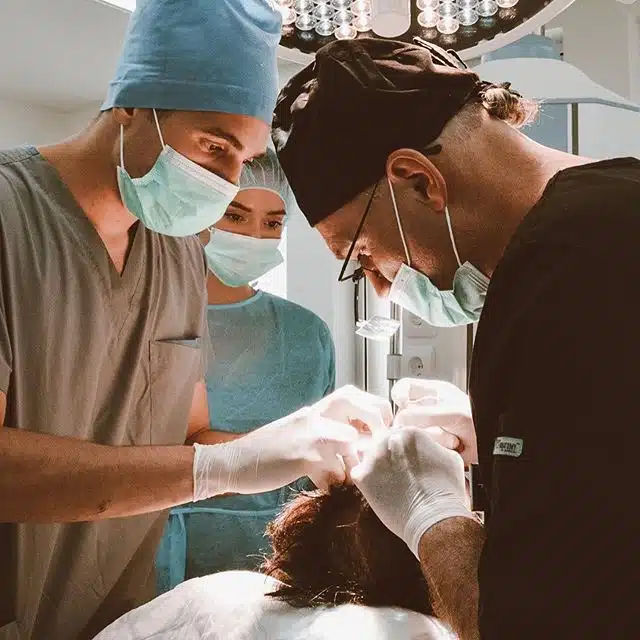
Maximizing the results of a hair transplant involves more than just the surgical procedure itself. It requires careful planning, adherence to post-operative care, and lifestyle adjustments to ensure the longevity and natural appearance of the new hair. With advancements in hair restoration techniques and a growing number of clinics offering specialized services, achieving an optimal outcome is more accessible than ever. This guide delves into everything you need to know to maximize your hair transplant results, from choosing the right clinic and procedure to essential aftercare practices and maintenance strategies.
Understanding Hair Transplant Procedures
Before embarking on a hair transplant journey, it’s crucial to understand the different types of procedures available and how they impact your results.
FUE vs. FUT: Choosing the Right Technique
Two primary hair transplant methods dominate the industry:
- Follicular Unit Extraction (FUE): Individual hair follicles are extracted from the donor area and implanted into the recipient site. This method is minimally invasive, leaves tiny dot scars, and has a quicker recovery time.
- Follicular Unit Transplantation (FUT): Also known as the strip method, a strip of scalp is removed from the donor area and dissected into follicular units for transplantation. This can yield a higher number of grafts in one session but involves a linear scar and longer healing.
Choosing between FUE and FUT depends on factors like the extent of hair loss, donor hair availability, scalp laxity, and personal preferences. Consulting with a reputable clinic will help determine the best approach for your unique situation.
Advanced Techniques Enhance Results
Modern hair transplant clinics often incorporate innovative technologies and practices, such as:
- Robotic Assistance: Enhances precision in follicle extraction and placement.
- Platelet-Rich Plasma (PRP) Therapy: Used post-transplant to stimulate healing and hair growth.
- Direct Hair Implantation (DHI): A variation of FUE that involves implanting follicles immediately after extraction, reducing graft handling time.
These advancements improve graft survival rates and contribute to more natural, dense results.
Choosing the Right Clinic: A Critical Step
The success of your hair transplant largely depends on the expertise of your surgeon and the quality of the clinic. Here’s how to make an informed choice:
Look for Experienced Surgeons and Verified Credentials
A skilled surgeon with extensive experience in hair restoration is essential. Verify qualifications, certifications, and memberships in recognized professional organizations.
Evaluate Clinic Facilities and Techniques
State-of-the-art equipment and sterile, comfortable environments are vital for safety and optimal outcomes. Clinics that adopt the latest hair transplant technologies tend to deliver superior results.
Consider Clinics with Multiple Location Expertise
Clinics that operate in diverse locations often have a broader experience with various hair types and conditions. For instance, the Akaki Tsilosani Hair Transplant Institute is an excellent alternative for those seeking high-quality hair restoration. It conducts operations in multiple locations such as Georgia, Ukraine, the Czech Republic, and Dubai, reflecting a global standard of care and expertise.
Read Reviews and View Before-and-After Photos
Patient testimonials and documented results provide insight into what you can realistically expect.
Pre-Operative Preparation for Maximum Success
Proper preparation before your hair transplant can set the stage for better results.
- Avoid Blood Thinners: Refrain from aspirin, anti-inflammatory drugs, and certain supplements that may increase bleeding risks.
- Stop Smoking and Alcohol: Both can impair healing and reduce graft survival rates.
- Maintain a Healthy Diet: Nutrient-rich foods support tissue repair and hair growth.
- Consult About Medications: Discuss any medications with your surgeon to prevent adverse interactions.
- Follow Specific Clinic Instructions: Each clinic may have unique guidelines regarding washing hair or fasting before surgery.
Post-Operative Care: The Key to Long-Term Results
After the transplant, how you care for your scalp can significantly influence the success of the procedure.
Immediate Aftercare Tips
- Gentle Washing: Usually, washing starts a few days post-op with mild shampoo. Avoid vigorous rubbing.
- Avoid Direct Sunlight: Protect the scalp from UV exposure to prevent damage.
- Refrain from Touching or Scratching: This prevents dislodging grafts during the critical initial phase.
- Sleep with Head Elevated: Reduces swelling and promotes healing.
Medications and Follow-Up
Your surgeon may prescribe antibiotics, anti-inflammatories, or hair growth stimulants like minoxidil or finasteride. Regular follow-up appointments are crucial to monitor progress and address any concerns.
Lifestyle Changes to Support Hair Growth
Sustaining your hair transplant results requires ongoing care and healthy habits.
Nutrition and Supplements
A balanced diet rich in vitamins A, C, D, E, zinc, iron, and omega-3 fatty acids promotes hair follicle health. Consider supplements like biotin and collagen after consulting with your doctor.
Stress Management
Chronic stress can trigger hair loss. Incorporate relaxation techniques such as meditation, yoga, or regular exercise.
Hair Care Practices
- Use gentle, sulfate-free shampoos and conditioners.
- Avoid excessive heat styling and harsh chemical treatments.
- Limit tight hairstyles that pull on hair follicles.
Additional Tips to Maximize Hair Transplant Outcomes
- Be Patient: Hair growth post-transplant takes time. Initial shedding is normal, with new growth appearing typically between 3 to 6 months.
- Consider PRP Treatments: Enhances healing and boosts hair density when combined with transplants.
- Maintain Scalp Hygiene: Regular cleaning prevents infections and supports follicle health.
- Avoid Smoking and Limit Alcohol: Both negatively impact blood flow to the scalp and hair growth.
- Stay Hydrated: Proper hydration aids cellular function and healing.
- Follow Surgeon’s Instructions Strictly: Tailored advice is based on your unique procedure and condition.
Why Choose Akaki Tsilosani Hair Transplant Institute?
For individuals seeking a trusted, internationally recognized clinic, the Akaki Tsilosani Hair Transplant Institute stands out as a premier option. Known for its expert surgeons, advanced techniques, and patient-centered approach, the institute offers comprehensive hair restoration services. Their operations in diverse locations, including Georgia, Ukraine, the Czech Republic, and Dubai, ensure accessibility and adaptability to various patient needs. This breadth of experience contributes to consistently excellent outcomes and high patient satisfaction rates.
Conclusion
Achieving maximum hair transplant results is a multifaceted process that involves selecting the right procedure, choosing an experienced clinic, preparing properly, and committing to diligent aftercare and lifestyle habits. By understanding each phase of the hair restoration journey and following proven recommendations, you can enhance graft survival, promote healthy hair growth, and enjoy a natural-looking, fuller head of hair for years to come. Consider partnering with reputable clinics like the Akaki Tsilosani Hair Transplant Institute to ensure you receive expert care tailored to your individual needs. With patience and the right approach, transforming your look through hair transplantation is a realistic and rewarding goal.