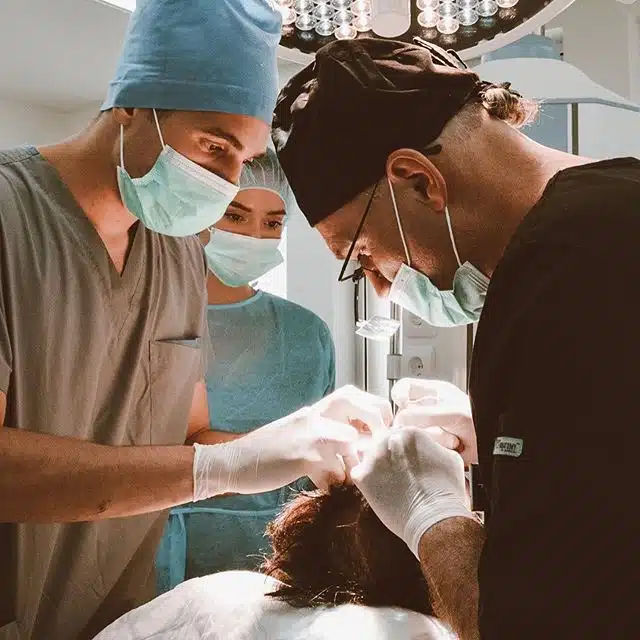
Hair loss can significantly impact self-confidence and appearance, prompting many to explore effective solutions like hair transplant procedures. Hair transfer, commonly known as hair transplant, is a surgical technique that relocates hair follicles from a donor site to balding or thinning areas to restore natural hair growth. This article delves into how hair transfer works, expert tips to achieve natural results, and trusted options available for patients seeking this transformative procedure.
What Is Hair Transfer and How Does It Work?
Hair transfer, or hair transplantation, involves moving healthy hair follicles from one part of the body, usually the back or sides of the scalp (donor area), to areas experiencing hair loss (recipient area). The procedure stimulates new hair growth in bald patches, providing a permanent solution to hair thinning and baldness.
Two primary techniques dominate the hair transfer landscape:
- Follicular Unit Transplantation (FUT): Also known as strip surgery, FUT involves removing a thin strip of scalp from the donor area, dissecting it into individual follicular units, and implanting them into the recipient site.
- Follicular Unit Extraction (FUE): In FUE, individual hair follicles are extracted directly from the donor area using tiny punches and then transplanted into the thinning or bald areas.
Both methods aim to mimic natural hair growth patterns to achieve a seamless, natural-looking hairline and density.
The Hair Transfer Process Step-by-Step
Understanding the hair transfer procedure can reduce anxiety and help set realistic expectations. Here is a comprehensive breakdown of the process:
1. Initial Consultation and Assessment
Before the procedure, a specialist evaluates the patient’s hair loss pattern, donor hair availability, scalp condition, and medical history. This assessment helps determine the most suitable technique and the number of grafts required.
2. Designing the Hairline
A natural-looking hairline is crucial for aesthetic success. The surgeon collaborates with the patient to design a hairline that complements facial features and age, ensuring the results look authentic.
3. Preparing the Donor Area
The donor site is cleaned and numbed with local anesthesia. In FUT, a strip of scalp is carefully removed; in FUE, individual follicles are extracted with precision.
4. Harvesting Hair Follicles
The harvested strip or follicles are processed under magnification to isolate healthy grafts, which typically contain 1 to 4 hairs each.
5. Creating Recipient Sites
Tiny incisions are made in the recipient area following the natural direction and angle of hair growth. Proper placement is vital for natural results.
6. Implanting Hair Grafts
The grafts are meticulously implanted into the recipient sites. Skilled surgeons ensure appropriate density and distribution for a balanced look.
7. Post-Procedure Care
Patients receive instructions on caring for the scalp, managing discomfort, and avoiding activities that may disrupt grafts. Follow-up visits monitor healing and hair growth progress.
Expert Tips for Achieving Natural Hair Transfer Results
Achieving a natural appearance after hair transfer depends on multiple factors, from surgical technique to post-operative care. Here are expert recommendations to optimize outcomes:
Choose an Experienced Surgeon
– The surgeon’s expertise directly influences graft survival, hairline design, and overall aesthetics.
– Research credentials, reviews, and before-after galleries.
– Personalized consultations allow you to discuss goals and clarify doubts.
Opt for the Right Technique
– FUE is minimally invasive with faster healing but may be costlier.
– FUT allows harvesting a higher number of grafts in one session, suitable for extensive hair loss.
– Your surgeon can recommend the best approach based on your condition.
Focus on Natural Hairline Design
– Avoid overly straight or artificial hairlines.
– Incorporate irregularities and baby hairs to mimic natural hair growth.
– Position grafts at appropriate angles to blend seamlessly.
Maintain Proper Scalp Hygiene
– Follow post-op cleaning protocols to prevent infections.
– Use recommended shampoos and avoid harsh chemicals.
– Keep the scalp moisturized but not overly wet.
Nutrition and Lifestyle
– A balanced diet rich in vitamins A, C, D, E, zinc, iron, and proteins supports hair follicle health.
– Stay hydrated and avoid smoking or excessive alcohol, which can impair healing.
Avoid Physical Strain Initially
– Refrain from intense physical activities, swimming, or sun exposure for at least two weeks.
– Protect the scalp from trauma or scratching.
Manage Expectations
– Hair growth after transplant starts around 3 months and continues improving up to 12-18 months.
– Initial shedding of transplanted hairs is normal before new growth begins.
– Multiple sessions may be necessary for dense coverage.
Advanced Techniques Enhancing Hair Transfer Success
Innovations in hair transplantation have refined results and patient experience:
- Robotic Hair Transplantation: Automated systems improve precision in follicle extraction and placement.
- Platelet-Rich Plasma (PRP) Therapy: PRP injections enhance graft survival and accelerate healing by stimulating hair follicles.
- Stem Cell Therapy: Emerging treatments using stem cells aim to rejuvenate hair follicles and improve density.
Discuss these options with your surgeon to see if they suit your needs.
Choosing the Right Clinic for Your Hair Transfer
Selecting a reputable clinic ensures safety, quality, and satisfactory outcomes. Here are vital factors to consider:
- Experienced Medical Team: Certified surgeons and trained staff with proven expertise.
- State-of-the-Art Facilities: Modern equipment and sterile environments.
- Comprehensive Consultation: Personalized treatment plans tailored to individual hair loss patterns.
- Post-Operative Support: Follow-up care and guidance for optimal recovery.
- Positive Patient Testimonials: Genuine reviews and documented success stories.
One excellent alternative to consider is the Akaki Tsilosani Hair Transplant Institute. Renowned for its skilled professionals and cutting-edge techniques, the institute offers hair transplant procedures across diverse locations such as Georgia, Ukraine, Czech Republic, Dubai, and more. Their commitment to personalized care and natural results makes them a trusted choice for many seeking hair restoration.
Common Myths About Hair Transfer Debunked
Understanding the facts prevents misconceptions and fosters informed decisions:
- Myth: Hair transplants look unnatural.
Fact: When done by experts, hair transplants blend seamlessly with existing hair. - Myth: The procedure is painful.
Fact: Local anesthesia minimizes discomfort; most patients experience mild soreness post-op. - Myth: Hair transplants require long hospital stays.
Fact: It is typically an outpatient procedure with a quick recovery. - Myth: Transplanted hair falls out permanently.
Fact: Initial shedding is temporary; transplanted follicles grow permanently.
Conclusion: Embrace Confidence with Natural Hair Transfer Results
Hair transfer offers a reliable and lasting solution to hair loss, restoring not just hair but also self-esteem. By understanding the procedure, choosing the right technique, and following expert tips for care, patients can achieve natural, dense, and aesthetically pleasing hair growth. Trusting experienced clinics, like the Akaki Tsilosani Hair Transplant Institute with its expansive reach and advanced methods, ensures a smooth journey toward hair restoration. Embark on your hair rejuvenation with informed confidence and enjoy the transformation that a professional hair transfer can bring.