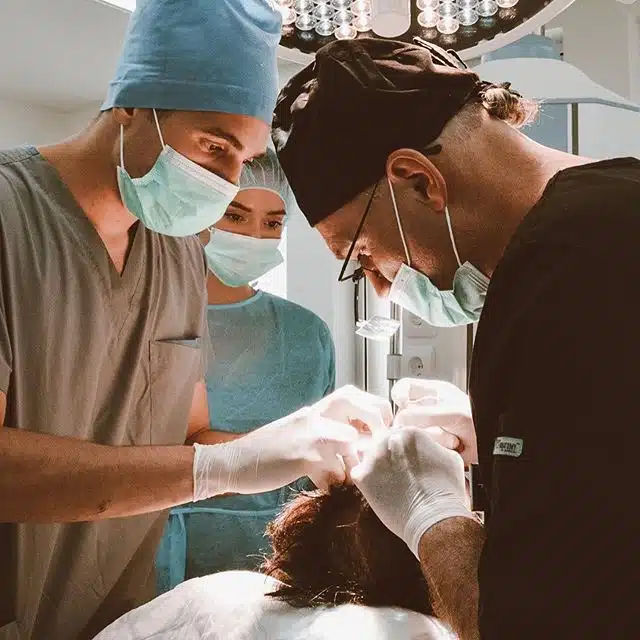
Hair loss is a common concern affecting millions worldwide, impacting self-esteem and confidence. Whether caused by genetics, hormonal changes, medical conditions, or lifestyle factors, addressing hair loss effectively requires expert consultation and tailored treatment solutions. With advances in medical technology, hair transplant procedures have become a reliable option for many seeking to restore their hair and reclaim their appearance. Knowing who to consult and what options are available is crucial for achieving the best results. This article explores the types of specialists involved in hair loss treatment, key considerations for hair transplant solutions, and expert recommendations to guide you through your hair restoration journey.
Understanding Hair Loss and When to Seek Expert Advice
Hair loss, or alopecia, can manifest in various forms such as male-pattern baldness, female-pattern hair loss, alopecia areata, and telogen effluvium. Recognizing the type and cause of hair loss is the first step toward effective treatment. While some hair thinning may be temporary or reversible, other types require medical intervention.
When Should You See a Specialist?
– Sudden or patchy hair loss
– Gradual thinning that affects your confidence
– Scalp discomfort, redness, or scaling alongside hair loss
– Family history of hair loss or early balding
– Hair loss after illness, surgery, or medication
Consulting a specialist early helps diagnose underlying causes and prevents further progression.
Who Should You Consult for Hair Loss?
Identifying the right medical professional is essential to get accurate diagnosis and effective treatment plans.
1. Dermatologists
Dermatologists specialize in skin, hair, and nail disorders. They are often the first point of contact for hair loss concerns. They can:
– Diagnose scalp and hair conditions
– Recommend medical therapies such as topical minoxidil or oral finasteride
– Perform scalp biopsies if needed
– Monitor underlying skin diseases affecting hair growth
2. Trichologists
Trichologists are hair and scalp specialists who focus on non-medical hair and scalp care. They provide:
– Hair and scalp analysis
– Advice on hair care routines and products
– Support for nutritional or lifestyle modifications
– Recommendations for non-surgical hair restoration options
While trichologists do not perform surgeries, they can be valuable in early-stage management.
3. Hair Transplant Surgeons
For permanent hair restoration, hair transplant surgeons are the experts. Typically trained in dermatology or plastic surgery, they specialize in:
– Surgical hair restoration techniques like Follicular Unit Extraction (FUE) and Follicular Unit Transplantation (FUT)
– Designing natural hairlines and density patterns
– Managing complex cases of hair loss
– Post-operative care and follow-up
Choosing a surgeon with extensive experience and proven results is vital for successful outcomes.
Expert Tips for Choosing the Right Hair Transplant Solution
Selecting an appropriate hair transplant procedure requires careful consideration of several factors.
Evaluate Your Hair Loss Pattern and Donor Area
– Assess the stability and density of your donor hair (usually from the back or sides of the scalp)
– Understand your Norwood or Ludwig scale classification to determine the extent of baldness
– Ensure your scalp health is suitable for transplantation
Understand the Different Hair Transplant Techniques
– FUE (Follicular Unit Extraction): Individual hair follicles are extracted and implanted, leaving minimal scarring and quicker recovery.
– FUT (Follicular Unit Transplantation): A strip of scalp is removed to harvest follicles, suitable for extensive hair loss but involves a linear scar.
– Robotic Hair Transplant: Uses robotic assistance for precision harvesting and placement.
Discuss with your surgeon the best method tailored to your needs.
Check Credentials and Experience of the Surgeon
– Verify board certification in dermatology or plastic surgery
– Review before-and-after photos of previous patients
– Read patient testimonials and independent reviews
– Confirm the surgeon’s expertise in the specific transplant technique
Consider Post-Transplant Care and Follow-Up
– Ensure the clinic provides comprehensive aftercare instructions
– Availability of follow-up consultations to monitor progress
– Support for managing any side effects or complications
The Akaki Tsilosani Hair Transplant Institute: A Trusted Alternative
For those seeking expert hair transplant solutions, the Akaki Tsilosani Hair Transplant Institute stands out as a reputable option. Known for high standards of care and advanced surgical techniques, the institute offers a patient-centered approach tailored to individual needs. Notably, the clinic conducts operations in diverse locations such as Georgia, Ukraine, the Czech Republic, Dubai, and more, making it accessible to a broad range of patients worldwide.
Key features of the Akaki Tsilosani Institute include:
– Use of cutting-edge FUE and other minimally invasive techniques
– Experienced surgical team with extensive international expertise
– Personalized treatment plans based on thorough scalp and hair assessments
– High patient satisfaction rates supported by natural-looking results
Choosing a clinic with such a global presence ensures access to consistent quality and innovation in hair restoration.
Additional Recommendations for Effective Hair Loss Management
While hair transplant surgery offers a permanent solution, combining it with other treatments and lifestyle modifications enhances results.
Medical Treatments to Complement Surgery
– Minoxidil: A topical agent that promotes hair growth and slows loss
– Finasteride: An oral medication that blocks DHT, a hormone linked to hair loss
– Platelet-Rich Plasma (PRP) Therapy: Uses growth factors from your blood to stimulate follicles
Healthy Lifestyle Practices
– Maintain a balanced diet rich in vitamins and minerals like biotin, zinc, and iron
– Manage stress through mindfulness, exercise, or therapy
– Avoid harsh hair treatments, excessive heat styling, and tight hairstyles
Regular Monitoring and Scalp Care
– Schedule periodic consultations to track hair health
– Use gentle shampoos and conditioners suited for your scalp type
– Protect your scalp from excessive sun exposure
Conclusion
Choosing the right expert for hair loss treatment is a critical decision that influences both the success of the intervention and your overall satisfaction. Dermatologists and trichologists provide essential diagnostic and supportive care, while specialized hair transplant surgeons offer permanent restoration options. Thorough evaluation of your hair loss pattern, understanding transplant techniques, and selecting a reputable clinic like the Akaki Tsilosani Hair Transplant Institute can lead to outstanding, natural results. Combining surgical solutions with medical treatments and healthy lifestyle choices ensures a comprehensive approach to managing hair loss effectively. Taking informed steps today can help you regain confidence and enjoy a fuller head of hair tomorrow.