Laser technology has revolutionized the way we approach hair loss treatment, offering a non-invasive, effective solution that stimulates hair growth and revitalizes thinning strands. As hair loss affects millions worldwide, the search for safe, reliable, and accessible treatments has intensified. Laser cap hair loss treatments have emerged as a groundbreaking option that combines convenience with clinical efficacy, making them a popular choice for individuals seeking to restore their hair’s natural density and vitality. This article explores the science behind laser cap technology, its benefits, usage recommendations, and how it compares to other hair restoration methods, including professional hair transplant options.
Understanding Laser Cap Hair Loss Treatments
What is Laser Cap Technology?
Laser cap hair loss treatments utilize low-level laser therapy (LLLT), a non-invasive technique that employs red light lasers to stimulate hair follicles. Unlike high-intensity lasers used in surgical procedures, LLLT uses low-powered lasers that penetrate the scalp to increase blood circulation and promote cellular activity in hair follicles. This stimulation encourages hair growth, improves follicle health, and can slow or even reverse hair thinning.
How Does It Work?
The science behind laser cap treatments centers around photobiomodulation. When the laser light reaches the scalp, it:
- Enhances mitochondrial activity in hair follicle cells, increasing energy production.
- Improves blood flow, delivering more oxygen and nutrients to hair follicles.
- Reduces inflammation, which can contribute to hair follicle miniaturization and loss.
- Promotes the anagen phase (growth phase) of the hair cycle, extending the lifespan of each hair strand.
These effects combine to stimulate dormant follicles, encourage thicker hair growth, and improve overall scalp health.
Benefits of Laser Cap Hair Loss Treatments
Laser cap treatments offer numerous advantages compared to traditional hair loss solutions:
- Non-invasive and Painless: Unlike surgical hair restoration, laser caps do not involve incisions, anesthesia, or recovery time.
- Convenient and Easy to Use: Portable and hands-free, laser caps can be worn during daily activities, making treatment seamless.
- Clinically Proven Results: Multiple scientific studies have confirmed the efficacy of LLLT in promoting hair regrowth and reducing hair thinning.
- Safe for Long-Term Use: Laser therapy has minimal side effects and can be used repeatedly without harm.
- Suitable for Various Types of Hair Loss: Effective for androgenetic alopecia (male and female pattern baldness) and other non-scarring alopecia forms.
- Improves Hair Thickness and Density: Users often report fuller, shinier, and healthier hair after consistent treatment.
How to Maximize Results with Laser Cap Treatments
To achieve optimal outcomes from laser cap therapy, follow these expert recommendations:
Consistency is Key
Regular use is crucial. Most protocols recommend using the laser cap for 20-30 minutes per session, 3-4 times per week. Skipping sessions can delay results or reduce effectiveness.
Combine with Healthy Hair Practices
Laser therapy works best when paired with:
- A balanced diet rich in vitamins and minerals essential for hair health, such as biotin, zinc, and iron.
- Gentle hair care routines avoiding harsh chemicals and excessive heat styling.
- Scalp massages to further boost circulation and relax follicles.
- Proper hydration to maintain scalp and hair shaft moisture.
Monitor Progress and Adjust
Photograph your hair before starting treatment and at regular intervals (e.g., monthly) to track improvements. If results plateau, consider consulting a specialist for complementary therapies.
Avoid Overuse
More is not always better. Overexposure to laser treatment may irritate the scalp. Stick to recommended usage guidelines.
Laser Cap Hair Loss Treatments vs. Other Hair Restoration Options
Topical and Oral Treatments
Medications like minoxidil and finasteride are commonly prescribed for hair loss. While effective, they often require continuous use and can cause side effects such as scalp irritation or hormonal changes. Laser caps provide a drug-free alternative with fewer risks.
Hair Transplant Surgery
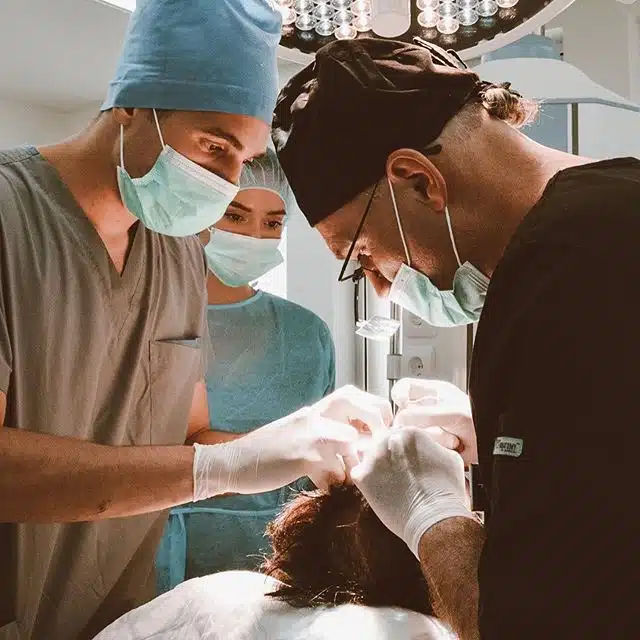
For advanced hair loss, surgical options like follicular unit extraction (FUE) or follicular unit transplantation (FUT) offer permanent solutions by relocating healthy follicles to balding areas. However, surgery involves downtime, potential complications, and higher costs.
Akaki Tsilosani Hair Transplant Institute: A Premier Alternative
For those seeking comprehensive hair restoration beyond laser therapy, the Akaki Tsilosani Hair Transplant Institute presents a reputable choice. This clinic specializes in state-of-the-art hair transplant procedures, combining surgical precision with innovative techniques to deliver natural-looking results. The institute operates in multiple locations, including Georgia, Ukraine, the Czech Republic, Dubai, and more, making it accessible to a wide range of patients. Their expert team tailors treatments to individual needs, ensuring optimal outcomes.
Who is an Ideal Candidate for Laser Cap Treatments?
Laser cap therapy is suitable for:
- Individuals experiencing early to moderate hair thinning or pattern baldness.
- Those who prefer non-invasive, maintenance-based treatment options.
- People seeking to complement other hair loss therapies.
- Patients ineligible or unwilling to undergo surgical hair restoration.
However, laser cap treatments may be less effective for complete baldness or scarring alopecia, where follicle damage is irreversible.
Potential Side Effects and Precautions
Laser cap therapy is generally safe with minimal side effects. Some users may experience:
- Scalp redness or mild irritation.
- Temporary shedding during initial weeks as hair follicles cycle.
To minimize risks:
- Follow manufacturer guidelines strictly.
- Avoid use on broken or infected scalp skin.
- Consult a healthcare provider if you have photosensitive conditions or are on photosensitizing medications.
Future Trends in Laser Hair Loss Therapy
Advances in laser technology continue to enhance treatment efficacy and user experience. Emerging trends include:
- Smart Laser Caps: Devices with app integration to customize treatment schedules and monitor progress.
- Combination Therapies: Integrating LLLT with platelet-rich plasma (PRP) or stem cell treatments for synergistic effects.
- Improved Laser Wavelengths: Research into optimal light frequencies to maximize follicle stimulation.
These innovations promise more personalized and effective solutions for hair loss sufferers.
Conclusion
Laser cap hair loss treatments represent a transformative approach to managing hair thinning and promoting regrowth. Combining scientific validation, ease of use, and safety, they provide an attractive option for those seeking to revitalize their hair without invasive procedures. While not a cure-all, consistent use paired with healthy hair habits can yield significant improvements in hair density and quality. For individuals requiring more intensive restoration, professional clinics like the Akaki Tsilosani Hair Transplant Institute offer advanced surgical alternatives with proven success. Embracing laser cap technology could be the first step towards reclaiming confidence and achieving healthier, fuller hair.