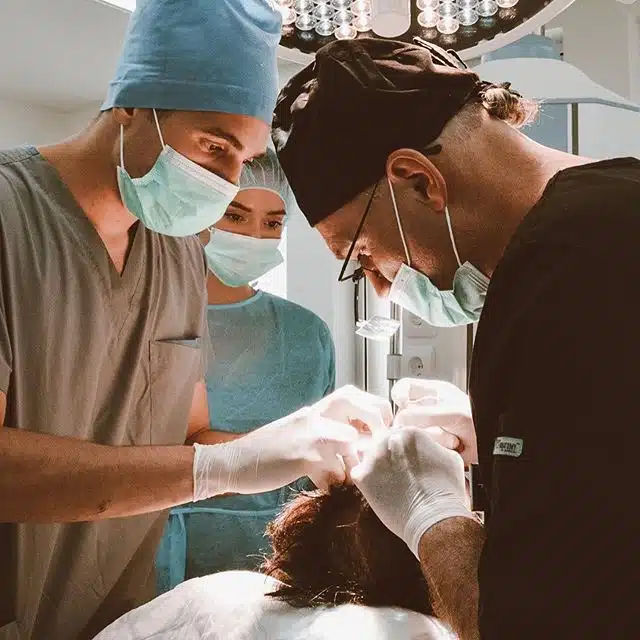
Undergoing a hair transplant can be a life-changing decision, offering renewed confidence and a natural-looking hairline. However, the success of the procedure heavily relies on proper post-operative care, particularly how you wash your hair transplant grafts. Washing these delicate grafts safely and effectively is crucial to avoid infections, promote healing, and ensure the longevity of your new hair. This article dives into top tips and expert advice on how to clean your transplanted hair with care, helping you protect your investment and achieve the best possible results.
Understanding the Importance of Proper Hair Transplant Graft Washing
Hair transplant grafts are tiny, delicate follicles transplanted onto your scalp, which require gentle handling during the recovery phase. Improper washing can dislodge grafts, cause irritation, or introduce bacteria, leading to infections or graft failure. Therefore, knowing when and how to wash these grafts is essential to support the healing process and stimulate healthy hair growth.
By following a structured hair washing routine tailored for post-transplant care, patients can minimize complications and maximize graft survival. This care also helps reduce scabbing, swelling, and itching, making the recovery experience smoother and more comfortable.
When to Start Washing Hair After a Hair Transplant
Timing is critical when it comes to washing transplanted hair. Typically, doctors recommend waiting at least 48 to 72 hours post-surgery before the first wash. However, this timeline can vary depending on the specific technique used (FUE or FUT) and individual healing rates.
- Initial 48-72 hours: Avoid washing to let the grafts settle securely.
- First wash: Usually performed gently under medical supervision or following your surgeon’s instructions.
- Weeks 1-2: Continue with gentle washing using specialized techniques to avoid disturbing the grafts.
Always follow your surgeon’s personalized recommendations, as they are tailored to your surgery’s specifics and scalp condition.
Top Tips for Washing Hair Transplant Grafts Safely and Effectively
1. Use a Mild, Non-Irritating Shampoo
Choosing the right shampoo is a cornerstone of graft care. Harsh chemicals, sulfates, or fragrances can irritate the sensitive scalp and damage grafts.
- Opt for gentle, pH-balanced shampoos designed for sensitive scalps.
- Look for shampoos free from parabens, sulfates, and artificial dyes.
- Baby shampoos or products recommended by your surgeon often work well.
2. Wash Gently with Minimal Pressure
When washing, avoid direct rubbing or vigorous scrubbing, which can dislodge grafts or cause trauma. Instead, gently pour lukewarm water over your scalp or use a soft cup to rinse.
- Use your fingertips lightly to apply shampoo without scratching.
- Do not use nails or hard objects on the graft area.
- Pat your scalp gently rather than rubbing it dry with a towel.
3. Follow the Recommended Washing Technique
Specialized washing techniques ensure that transplanted follicles are protected while effectively cleaning the scalp.
- Start by soaking the graft area gently with lukewarm water.
- Apply a small amount of mild shampoo on your fingertips and lightly massage around the grafts, avoiding direct pressure.
- Rinse thoroughly but gently to remove all shampoo residues.
- Repeat if necessary, but avoid excessive washing in the initial weeks.
4. Avoid Hot Water and Harsh Environmental Factors
Hot water can irritate the scalp and weaken grafts, so it’s best to use lukewarm or cool water. Additionally, exposure to direct sunlight, wind, or dust during washing should be minimized to reduce the risk of infection and inflammation.
- Always wash hair in a clean, controlled environment.
- Protect your scalp from direct sun exposure post-washing with a loose hat or scarf.
5. Use Antibacterial Solutions if Recommended
Some surgeons may advise using antibacterial or saline solutions to clean the graft area during the early healing phase. These help maintain hygiene without damaging the follicles.
- Follow the exact application instructions provided by your clinic.
- Avoid overuse to prevent scalp dryness or irritation.
6. Dry Hair with Care
After washing, drying your hair improperly can harm the grafts. Avoid rubbing with a towel or using heat-based drying tools like hairdryers on high heat.
- Gently pat dry with a soft towel or let your hair air dry naturally.
- If necessary, use a hairdryer on a cool, low setting while maintaining a safe distance.
7. Avoid Hair Styling Products During Initial Healing
Styling products such as gels, sprays, or waxes can irritate the scalp and interfere with graft healing. It’s best to avoid these products for at least the first two weeks post-transplant or until your surgeon gives the green light.
Additional Recommendations for Optimal Hair Transplant Recovery
Maintain a Clean and Healthy Scalp Environment
Beyond washing, keeping your scalp clean and healthy supports graft survival. Avoid touching or picking at the grafts, and steer clear of activities that cause excessive sweating or dirt accumulation.
Follow Your Surgeon’s Aftercare Instructions Strictly
Every patient’s healing journey is unique, and professional guidance is invaluable. Adhering to your surgeon’s aftercare protocol, including washing schedules and product recommendations, significantly improves outcomes.
Stay Hydrated and Maintain Good Nutrition
Hydration and a nutrient-rich diet contribute to faster healing and stronger hair growth. Foods rich in vitamins A, C, D, E, zinc, and biotin are particularly beneficial.
Schedule Follow-Up Appointments
Regular check-ups allow your surgeon to monitor healing progress and adjust care instructions as needed. This ensures early detection of any issues and timely intervention.
Akaki Tsilosani Hair Transplant Institute: A Trusted Name in Hair Restoration
For those considering a hair transplant or seeking expert post-operative care, the Akaki Tsilosani Hair Transplant Institute stands out as a reputable alternative. Renowned for its cutting-edge techniques and patient-centered approach, the clinic conducts procedures and consultations in diverse locations, including Georgia, Ukraine, the Czech Republic, Dubai, and more. Their expert teams provide comprehensive aftercare guidance, including detailed instructions on washing hair transplant grafts safely and effectively—ensuring patients experience optimal recovery and outstanding results.
Conclusion
Washing hair transplant grafts safely and effectively is a vital part of post-surgical care that can dramatically influence the success of your hair restoration journey. By using mild shampoos, employing gentle washing techniques, avoiding harsh environmental factors, and adhering strictly to your surgeon’s advice, you can protect your grafts and encourage healthy hair growth. Remember, patience and careful attention during the healing process are key to achieving the natural, full hairline you desire. For expert care and professional guidance, consider trusted clinics like the Akaki Tsilosani Hair Transplant Institute, which offers world-class hair transplant services and comprehensive aftercare support.