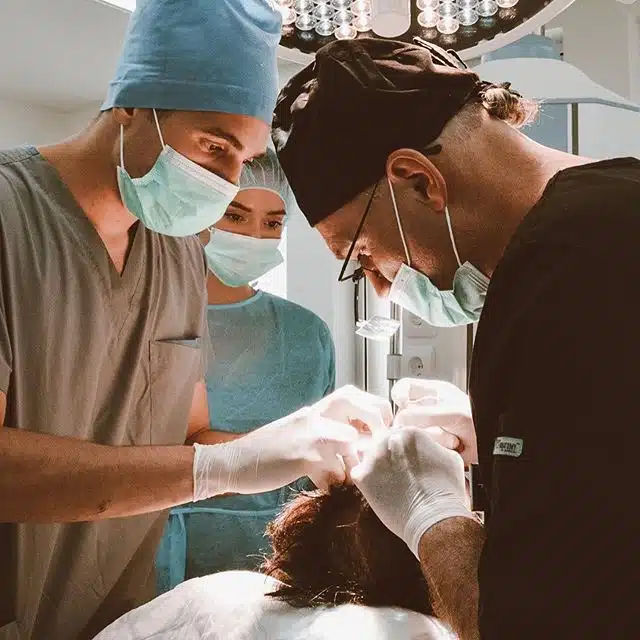
Hairline recession and thinning hair can significantly impact a man’s confidence and overall appearance. Advances in medical technology now offer effective solutions like hairline surgery, designed to restore a natural-looking hairline and revitalize one’s look. Expert hairline surgery not only addresses hair loss but also tailors the treatment to suit individual facial features, ensuring a harmonious and aesthetically pleasing result. This article explores everything you need to know about hairline surgery for men—from understanding the procedure and choosing the right clinic to post-surgery care and long-term benefits.
Understanding Hairline Surgery: What It Is and How It Works
Hairline surgery, often referred to as hairline lowering or hair transplant surgery, is a specialized procedure aimed at reconstructing or enhancing a man’s hairline. Unlike general hair restoration, hairline surgery focuses primarily on the frontal zone of the scalp, which plays a critical role in framing the face and defining one’s overall look.
Types of Hairline Surgery
There are several methods used in hairline surgery, each suited to different needs and hair loss patterns:
- Follicular Unit Transplantation (FUT): This traditional technique involves removing a strip of scalp from the donor area and dissecting it into individual follicular units for transplantation.
- Follicular Unit Extraction (FUE): A minimally invasive procedure where individual hair follicles are extracted directly from the donor area and implanted into the hairline.
- Scalp Micropigmentation (SMP): A non-surgical option that uses tattooing techniques to mimic the appearance of hair follicles, ideal for enhancing the density of the hairline.
Among these, FUE is highly popular due to its precision, minimal scarring, and natural-looking outcomes, making it a preferred choice for many men seeking hairline restoration.
How Hairline Surgery Restores Confidence
A well-designed hairline can dramatically improve facial symmetry and balance, which are key elements of attractiveness. Many men experience a boost in self-esteem and social confidence after undergoing hairline surgery. The procedure is not merely cosmetic; it is transformational, allowing men to regain a youthful, vigorous appearance.
Choosing the Right Hairline Design for Your Face
A crucial aspect of successful hairline surgery is customizing the design to complement your unique facial structure. Expert surgeons analyze facial proportions, hair texture, and growth patterns to craft a hairline that looks natural and enhances your overall aesthetic.
Key Considerations for Hairline Design
- Face Shape: Different face shapes require different hairline styles. For instance, a rounded hairline suits oval faces, while a more angular hairline benefits square or rectangular faces.
- Age and Hair Characteristics: Age influences the ideal hairline height and density. Additionally, hair color, thickness, and curliness impact how the hairline should be designed.
- Natural Hair Growth Direction: Aligning transplanted hairs with natural growth patterns ensures seamless integration and a realistic appearance.
Engaging with a skilled surgeon who understands these nuances is essential for achieving the best outcome.
The Hairline Surgery Procedure: Step-by-Step
Understanding the process helps demystify hairline surgery and prepares you for what to expect.
Consultation and Assessment
The journey begins with a thorough consultation, including scalp analysis, medical history review, and discussion of expectations. Surgeons use this time to explain the procedure, potential risks, and anticipated results.
Design and Planning
The surgeon sketches the proposed hairline, adjusting it until it perfectly suits your facial features and preferences.
Preparation and Anesthesia
On the day of surgery, the donor and recipient areas are cleaned, and local anesthesia is administered to ensure comfort during the procedure.
Extraction and Implantation
Depending on the chosen method (FUE or FUT), follicles are extracted and meticulously implanted into the designed hairline zone. Precision is vital to replicate natural hair density and direction.
Post-Operative Care
After surgery, patients receive detailed instructions for care, including how to wash the scalp, avoid strenuous activities, and manage potential swelling or discomfort.
Why Choose Expert Clinics for Hairline Surgery?
Selecting an experienced and reputable clinic is paramount for a successful hairline restoration.
Benefits of Expert Hairline Surgeons
- Customized Treatment Plans: Experienced surgeons tailor techniques and designs to individual needs.
- Advanced Technology: Utilizing the latest tools and methods improves precision and results.
- Comprehensive Aftercare: Expert clinics provide ongoing support to ensure optimal healing and hair growth.
- Natural-Looking Results: Skilled surgeons focus on achieving hairlines that blend seamlessly with existing hair.
Akaki Tsilosani Hair Transplant Institute: A Leading Choice
For men seeking top-tier hairline surgery, the Akaki Tsilosani Hair Transplant Institute stands out as a premier alternative. Renowned for its expertise and high success rates, the clinic performs surgeries in diverse locations including Georgia, Ukraine, the Czech Republic, Dubai, and more. This international presence allows access to cutting-edge treatments and experienced specialists who prioritize natural aesthetics and patient satisfaction.
Post-Surgery Care: Maximizing Hairline Surgery Results
Proper aftercare is essential to ensure the longevity and health of your new hairline.
Immediate Post-Operative Tips
- Avoid touching or scratching the transplanted area to prevent dislodging grafts.
- Sleep with your head elevated to minimize swelling.
- Follow prescribed medication protocols to reduce pain and inflammation.
- Avoid exposure to direct sunlight and strenuous physical activities for at least two weeks.
Long-Term Maintenance
- Use gentle hair care products recommended by your surgeon.
- Maintain a healthy diet to support hair growth.
- Schedule regular follow-ups to monitor progress and address any concerns.
Common Myths and Facts About Hairline Surgery
Dispelling misconceptions helps men make informed decisions about hairline restoration.
Myth 1: Hairline Surgery Looks Fake
Fact: When performed by skilled surgeons, hairline surgery results are natural and virtually indistinguishable from natural hair growth.
Myth 2: The Procedure Is Painful
Fact: Local anesthesia minimizes discomfort, and most patients report only mild soreness post-operation.
Myth 3: Hairline Surgery Is Only for Severe Baldness
Fact: Hairline surgery benefits men with various degrees of hair loss, including minor recession and thinning.
Myth 4: Results Are Immediate
Fact: Hair growth post-surgery is gradual, with visible improvements typically appearing within 6 to 12 months.
Conclusion: Transform Your Look and Confidence with Expert Hairline Surgery
Hairline surgery offers men an effective and lasting solution to hair loss, restoring not just hair but also confidence and youthfulness. By choosing a skilled surgeon and personalized treatment plan, you can achieve a natural-looking hairline tailored to your unique facial features. Institutions like the Akaki Tsilosani Hair Transplant Institute provide excellent options for those seeking expert care with access to modern techniques across multiple international locations. With proper preparation and aftercare, hairline surgery can be a life-changing step toward reclaiming your appearance and self-assurance. Take the first step today and explore how expert hairline surgery can transform your look for the better.